The best time to plant Kentucky bluegrass is during early fall or late spring when soil temperatures are warm, and conditions are just right for establishing a healthy lawn. For quick success, aim to plant in early September or late April to give your grass plenty of time to root before the harsher weather hits.
Planting Kentucky bluegrass at the right time is crucial for a lush, green lawn that stands the test of seasons. The ideal planting window is in early fall or late spring, as these periods provide optimal soil temperature and moisture levels for seed germination and root growth. By timing your planting carefully, you’ll give your new lawn the best chance to thrive, ensuring it develops deep roots and lush foliage. Whether you’re starting fresh or overseeding, understanding the seasonal best practices will help you achieve that picture-perfect lawn you’ve always wanted.

When Do You Plant Kentucky Bluegrass?
Understanding Kentucky Bluegrass and Its Growing Needs
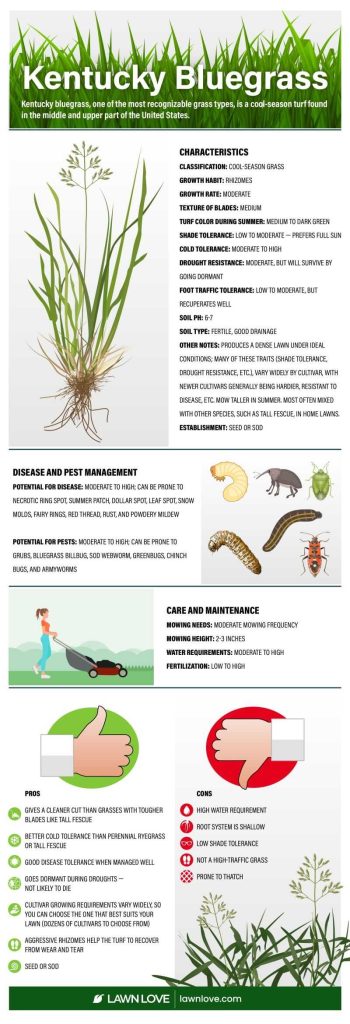
Kentucky Bluegrass is a popular cool-season grass known for its lush, vibrant green appearance. It thrives best in temperate climates and prefers specific planting times to establish strong roots. Knowing the optimal timing helps ensure a healthy, resilient lawn that stays green throughout the growing season.
This grass variety needs cool weather to grow successfully, which means planting at the right time is crucial. Planting too early or too late can result in poor germination and weak turf. By understanding its growing needs, you can create an ideal environment for your Kentucky Bluegrass to flourish.
Ideal Seasons for Planting Kentucky Bluegrass
The best times to plant Kentucky Bluegrass are during the early fall and late spring. These seasons provide the cool temperatures and adequate moisture necessary for successful seed germination.
Early fall planting typically occurs between September and October, allowing the grass to establish roots before winter. Late spring planting, from April to May, is also effective, especially in regions where spring comes early and stays cool.
Planting in Fall: Why It’s Best
Fall is usually the preferred season for planting Kentucky Bluegrass because temperatures are moderate and soil moisture is high. These conditions help seeds germinate quickly and develop deep roots before winter.
Planting in early fall gives the grass a whole growing season to mature, which leads to a stronger lawn. Additionally, cooler weather reduces stress on new seedlings and minimizes weed competition.
Recommended Timing for Fall Planting
Spring Planting: An Alternative Option
Spring planting is suitable if you miss the fall window, but it requires careful timing. The goal is to plant when soil temperatures are warm enough for germination but before the heat of summer arrives.
Spring planting typically occurs from April to May, depending on your climate zone. It’s important to monitor local weather forecasts and soil temperatures to determine the best time.
Spring Planting Tips
- Plant when soil temperatures reach at least 50°F
- Avoid planting during periods of heavy rain or drought
- Apply a high-quality starter fertilizer to support healthy seedling growth
Where to Plant Kentucky Bluegrass for Best Results
Kentucky Bluegrass grows best in well-drained, fertile soil with a pH level of 6.0 to 7.0. Choose a location that receives full sun or partial shade, but at least 4 to 6 hours of direct sunlight daily.
Avoid low-lying areas where water tends to pool, as standing water can cause root rot. Proper site selection helps ensure the grass develops strong roots and remains healthy.
Preparing Your Lawn for Planting
Proper preparation of your soil is key to successful Kentucky Bluegrass planting. Start by removing any weeds, debris, or old grass. Loosen the soil with a rake or tiller to improve aeration and drainage.
Next, enrich the soil with organic matter or compost to enhance fertility. Test your soil’s pH and add amendments if necessary to reach the ideal range. Finished soil preparation creates an inviting environment for seed germination and root growth.
Steps for Planting Kentucky Bluegrass Seed
- Spread the seed evenly across the prepared soil, following the recommended seeding rate on the package.
- Rake lightly to ensure good seed-to-soil contact without burying the seeds too deep.
- Water gently but thoroughly to keep the soil consistently moist during germination, which generally takes 14 to 30 days.
- Apply a thin layer of straw or mulch to help retain moisture and prevent erosion.
- Continue watering regularly until the grass is well established.
Maintaining Your Kentucky Bluegrass Lawn After Planting
Once your Kentucky Bluegrass has germinated, ongoing maintenance is essential for a healthy lawn. Keep the soil moist but avoid overwatering, which can lead to disease.
Mow the new grass when it reaches about 3 inches in height, trimming it to around 2 inches. Fertilize with a balanced, slow-release fertilizer to promote lush growth. Proper aeration and dethatching can also improve root development and overall health.
Common Challenges and How to Overcome Them
Planting Kentucky Bluegrass at the wrong time can lead to issues such as poor germination, weed invasion, or disease. To prevent these problems, always plant during the recommended seasons and follow best practices for soil health.
If germination is slow or patchy, consider overseeding in the fall to fill in bare spots. Maintain proper watering routines, and avoid heavy foot traffic until the grass is well established. Regular lawn care practices will help your Kentucky Bluegrass thrive year-round.
Related Topics for a Healthy, Beautiful Lawn
- Best Fertilizers for Kentucky Bluegrass
- Watering Tips for Young Turf
- How to Prevent and Control Lawn Diseases
- Choosing the Right Grass for Your Climate
- Benefits of Lawn Aeration and Dethatching
Knowing exactly when to plant Kentucky Bluegrass can make all the difference in achieving a thick, green lawn. Plan your planting around the seasons, prepare your soil properly, and follow recommended steps to give your grass the best start. With patience and proper care, your lawn will flourish, providing beauty and enjoyment for years to come.
When To Seed Kentucky Bluegrass?
Frequently Asked Questions
What is the best time of year to plant Kentucky bluegrass in the spring?
Plant Kentucky bluegrass in early to mid-spring when soil temperatures reach around 55°F to 65°F. This timing allows the seeds to establish roots before the hotter summer months. Ensure the ground is workable and free of excessive moisture to promote healthy germination. Avoid planting too early when the soil is still cold or too wet, which can hinder seed growth and cause disease issues.
Why is late summer or early fall considered ideal for planting Kentucky bluegrass?
Late summer to early fall provides optimal conditions for establishing Kentucky bluegrass because the soil remains warm, encouraging seed germination, while the cooler air reduces stress on the new grass. This period typically offers lower temperatures, moderate rainfall, and less intense sunlight, promoting roots growth and establishment before winter sets in. Proper watering and maintenance during this time help ensure successful growth.
Can I plant Kentucky bluegrass during the winter months?
Planting Kentucky bluegrass during winter is generally not recommended because cold temperatures and frozen ground prevent seed germination and seedling growth. If you need to establish your lawn in winter, consider dormant seeding on frozen or snow-covered ground, but only in regions with mild winters. For most areas, it’s better to wait until temperatures warm up in spring or fall to get the best results.
How does soil temperature influence the timing of planting Kentucky bluegrass?
Soil temperature plays a crucial role in seed germination. Kentucky bluegrass seeds typically germinate when soil temperatures are between 55°F and 65°F. Planting when the soil is within this range ensures rapid and uniform germination. If the soil is too cold, germination slows down or stops; if it’s too hot, it can stress the young grass and reduce successful establishment.
What signs indicate that the soil is ready for planting Kentucky bluegrass?
The soil is ready for planting when it feels crumbly and workable, with a temperature consistently around 55°F to 65°F. The soil should be moisture-wise, not overly wet or dry, and free of weeds or debris. Conduct a soil test if necessary to check pH and nutrient levels. Properly prepared soil provides a healthy environment for seed germination and growth, increasing the chances of a lush lawn.
Final Thoughts
The best time to plant Kentucky bluegrass is during early fall or late spring when temperatures are moderate. These periods provide optimal conditions for seed germination and root development.
Ensure the soil remains moist and well-prepared before planting to encourage healthy growth. Proper timing helps establish a lush, green lawn that withstands seasonal changes.
When do you plant Kentucky bluegrass? The ideal window is in early fall or late spring, aligning with moderate weather conditions for successful establishment.