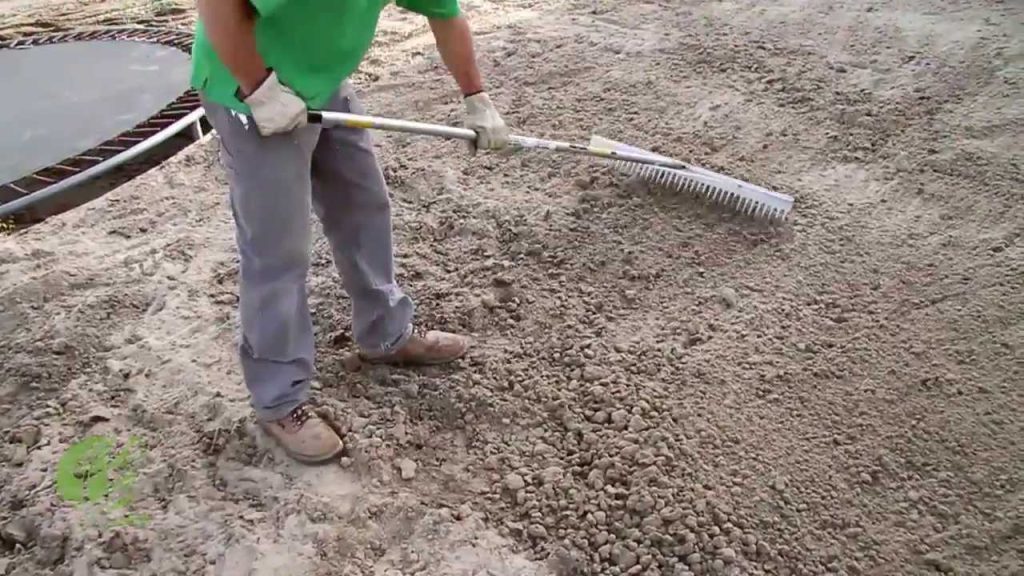
If you’re struggling with hard dirt and want to grow a lush lawn, you’re not alone. Planting grass seed on hard soil can be a bit of a challenge, but with the right approach, you can transform that stubborn surface into a thriving green space. The key is to properly prepare the ground and choose the right seeds. First, ensure you break up the soil to allow the seeds to penetrate and establish roots. Adding organic matter can also help improve soil structure. Once you’ve prepped the area, sow your seeds and keep them moist. With a little patience and care, you’ll be well on your way to having a beautiful lawn that can withstand the tests of time.

How To Plant Grass Seed On Hard Dirt
Planting grass seed on hard dirt may seem challenging, but with the right techniques and tools, you can achieve a lush green lawn. This guide walks you through the entire process, from preparing the ground to choosing the right seed.
Understanding Hard Dirt
Hard dirt, or compacted soil, occurs when soil particles are packed tightly together. This makes it difficult for grass seeds to germinate. Compacted soil often lacks air and water, which grass needs for growth. Recognizing the problems associated with hard dirt is the first step toward a successful planting.
Why Is It Important to Address Compacted Soil?
Compacted soil can lead to several issues:
- Poor drainage: Water may pool on the surface instead of soaking in.
- Lack of nutrients: Compaction limits nutrient availability to plant roots.
- Inhibited growth: Grass roots struggle to penetrate compacted soil.
Taking steps to loosen hard dirt will create better conditions for your grass seeds.
Tools You’ll Need
Before you start, gather the following tools and materials:
- Garden tiller or shovel
- Rake
- Grass seed (choose a type suitable for your climate)
- Soil amendment (like compost or peat moss)
- Watering can or hose with a spray nozzle
- Drop spreader for even seed distribution
Having the right tools will make the process smoother.
Preparing the Soil
Preparation is key to successfully planting grass seed on hard dirt. Here’s how to prepare the area:
1. Clear the Area
Start by removing debris, weeds, and any existing grass. A clean surface will encourage better seed-to-soil contact.
2. Loosen the Soil
Use a garden tiller or shovel to break up hard dirt. Aim to loosen the top 2 to 4 inches. This aeration allows air and moisture to penetrate the soil more effectively.
3. Add Soil Amendments
After loosening the soil, mix in soil amendments.
- Compost enhances nutrient content.
- Peat moss improves moisture retention.
These additions can greatly improve the soil structure, making it easier for roots to establish.
Choosing the Right Grass Seed
Selecting the appropriate grass seed is essential. Different types of grass thrive in different climates.
1. Cool Season Grasses
If you live in a region with cold winters, consider cool-season grasses like:
- Kentucky bluegrass
- Perennial ryegrass
- Tall fescue
These grasses grow best in spring and fall when temperatures are cooler.
2. Warm Season Grasses
For warmer climates, warm-season grasses are a better choice:
- Bermudagrass
- Zoysiagrass
- Buffalograss
These grasses thrive in the heat of summer.
Planting Your Grass Seed
Once your soil is prepared and you’ve chosen your seeds, it’s time to plant.
1. Distributing the Grass Seed
Using a drop spreader, evenly distribute the grass seed over the prepared area.
- Follow the recommended seed rate on the package.
- Avoid over-seeding, which can lead to competition for resources.
Even distribution ensures uniform growth.
2. Raking the Seed In
Gently rake the soil to cover the seeds with about 1/4 inch of soil. This protects them from birds and enhances moisture retention.
Watering Procedures
Effective watering is critical for the germination of grass seeds.
1. Initial Watering
Immediately after planting, water the area thoroughly. Make sure the soil is consistently moist but not soggy.
2. Regular Watering Schedule
For the first few weeks, water lightly every day or every other day.
- After germination, reduce watering to 2-3 times a week.
- Deep watering encourages root development.
Monitor the moisture level and adjust as needed.
Maintaining Your New Grass
Once your grass begins to sprout, proper maintenance is essential for healthy growth.
1. Mowing
Wait until your grass reaches about 3 inches in height before mowing.
- Aim to only trim the top third of the grass blades.
- This encourages thicker growth without stressing the plants.
Mowing regularly will help maintain an even look.
2. Fertilization
After about 4-6 weeks, consider applying a starter fertilizer designed for new grass. This will provide essential nutrients as the grass establishes itself.
Common Problems and Solutions
While planting grass seed on hard dirt, you may encounter challenges. Here are solutions to common issues:
1. Poor Germination
If seeds fail to germinate, check the following:
- Was the soil adequately prepared?
- Did you water consistently?
Adjust as necessary to improve conditions.
2. Weeds Taking Over
Weeds can crowd out your grass.
- Use mulch to suppress weed growth.
- Hand-pull any weeds that appear.
Keeping weeds at bay helps your grass thrive.
Long-Term Lawn Care
Once your grass is established, maintaining it becomes essential for longevity.
1. Regular Mowing and Watering
Keep to a regular mowing schedule, and ensure you’re watering adequately.
- Adjust watering based on seasonal changes.
- Aim for deep, less frequent watering sessions.
This promotes a robust root system.
2. Seasonal Fertilizing
Continue to fertilize your lawn a couple of times a year.
- Spring applications support growth during the growing season.
- Fall applications help the grass store nutrients for winter.
Seasonal fertilizing ensures your grass stays healthy year-round.
Planting grass seed on hard dirt requires effort, but the rewards are worth it. Following these steps will help you create a beautiful lawn that you can enjoy for years to come. With careful preparation, proper seed selection, and ongoing maintenance, you can overcome the challenges of hard dirt and foster a thriving green space.
Will Grass Grow On Hard Packed Dirt?
Frequently Asked Questions
What tools do I need to prepare hard dirt for grass seed planting?
To prepare hard dirt for grass seed planting, you will need a few essential tools. Start with a shovel or spade to break up the compacted soil. A rake helps to level the surface and remove debris. A garden fork can assist in aerating the soil, allowing air and water to penetrate better. Lastly, a seed spreader ensures even distribution of the grass seeds.
How do I improve soil quality before planting grass seed?
Improving soil quality begins with aerating the hard dirt. Use a garden fork or aerator to create holes in the soil, promoting better drainage and root growth. Incorporate organic matter, such as compost or well-rotted manure, to enhance soil structure and nutrient content. Testing the soil pH can also help you determine if you need to add lime or sulfur to balance it out.
What type of grass seed works best for hard soil conditions?
Selecting the right grass seed is crucial for success. Look for grass varieties that are drought-tolerant and resistant to heat, as these typically thrive in tough soil conditions. Perennial ryegrass and tall fescue are popular choices for hard and compacted soils. Consult local garden centers for recommendations based on your specific climate and soil type.
How often should I water grass seed after planting on hard dirt?
After planting grass seed on hard dirt, water the area consistently to promote germination. Initially, water lightly and frequently, about two to three times a day, to keep the top inch of soil moist. Once the grass seedlings emerge, you can reduce watering to once a day. As the grass grows, gradually shift to longer, less frequent watering sessions to encourage deep root growth.
What should I do if grass seeds are not germinating properly?
If your grass seeds are not germinating properly, first check soil moisture levels; the soil may be too dry or too wet. Ensure you’ve chosen the right grass seed for your climate. Additionally, review the planting depth; seeds should be covered lightly with soil. Finally, inspect for any barriers, such as rocks or clumps of dirt, that may be hindering growth.
Final Thoughts
To successfully plant grass seed on hard dirt, start by preparing the soil through aeration and tilling, which breaks up compacted ground. Next, evenly spread the grass seed and cover it lightly with soil. Water the area consistently to promote germination and establish a healthy lawn.
In conclusion, following the steps outlined in ‘How To Plant Grass Seed On Hard Dirt’ ensures that your seeds have the best chance to thrive despite challenging conditions. With proper care, you’ll soon enjoy a lush, green lawn in your yard.