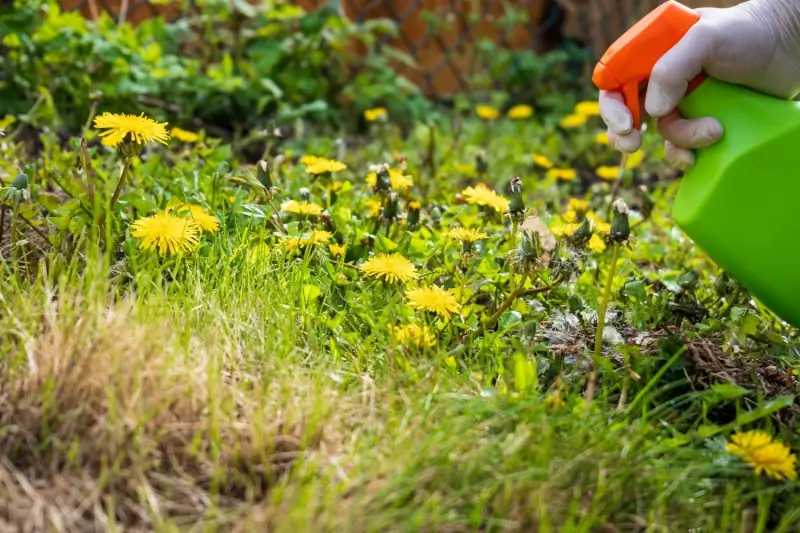
Weed and feed products can be a quick fix for many lawn care enthusiasts looking to control weeds while nourishing their grass. However, these two-in-one solutions can have drawbacks that might outweigh their benefits. While they can indeed help eliminate pesky weeds and provide essential nutrients, the timing and application methods are crucial. Overuse or improper application can lead to lawn stress, negatively affecting soil health and surrounding plants. It’s essential to consider the specific needs of your lawn and explore alternative methods of weed control and fertilization that might be gentler on your grass and the environment. Understanding what your lawn needs will ensure it remains healthy and lush, without the potential risks associated with weed and feed products.

Is Weed And Feed Bad For Your Lawn?
When considering lawn care, one major question many homeowners have is about the safety and effectiveness of products like weed and feed. These combinations claim to eliminate weeds while nourishing the grass, but are they really as good for your lawn as they sound? This article delves into the details, helping you understand the pros and cons of using weed and feed.
What is Weed and Feed?
Weed and feed is a product that combines herbicides to kill weeds and fertilizers to promote grass growth. It aims to simplify lawn care by allowing homeowners to tackle two tasks at once. This product is typically applied in the spring or fall when weeds are most active.
How Does Weed and Feed Work?
Weed and feed products usually contain selective herbicides. These herbicides target specific types of weeds without harming the grass. The fertilizers included provide essential nutrients, like nitrogen, phosphorus, and potassium, which help your lawn grow thick and lush.
Benefits of Using Weed and Feed
There are several benefits to using weed and feed:
- Time-Saving: Performs two tasks in one application.
- Convenience: Easily available in garden centers and online.
- Quick Results: Targets weeds effectively within a few days.
Potential Drawbacks of Weed and Feed
While weed and feed products offer advantages, they also come with some potential drawbacks:
- Over-Fertilization Risk: Excess fertilization can lead to thatch buildup or even lawn burn.
- Environmental Concerns: Some chemicals may harm beneficial insects and soil health.
- Not for All Lawns: Some grass types may be sensitive to herbicides.
Impact on Soil Health
Soil health is vital for a strong lawn. Using weed and feed can impact it in various ways. The herbicides may kill not just weeds but also beneficial microorganisms in the soil. Healthy soil is teeming with life that helps your grass grow.
Alternative Solutions to Weed and Feed
If you’re hesitant to use weed and feed, there are alternative solutions that can keep your lawn healthy without relying on chemicals. Here are a few options:
- Manual Weeding: Remove weeds by hand or with tools.
- Natural Herbicides: Use vinegar or salt solutions as natural weed killers.
- Organic Fertilizers: Consider compost or other organic fertilizers to enrich soil.
Application Tips for Weed and Feed
If you decide to use weed and feed, proper application is crucial. Here are some tips to consider:
- Read Instructions: Always follow the manufacturer’s guidelines for application.
- Timing: Apply during the active growth phase of weeds.
- Weather Conditions: Avoid application before heavy rain to prevent runoff.
Common Misconceptions About Weed and Feed
Many myths surround weed and feed. Understanding these can help make informed decisions:
- It Kills All Weeds: Not all weed and feed products target every type of weed.
- It’s Safe for Pets: Always check labels as some ingredients may be harmful.
- More is Better: Over-applying can harm your lawn rather than help it.
Understanding Types of Weeds
Different types of weeds may respond differently to weed and feed. Broadleaf weeds, such as dandelions, are often targeted by these products. However, grassy weeds like crabgrass may require different treatments. Knowing what type of weeds you’re dealing with is essential for effective lawn care.
Environmentally Friendly Alternatives
If you’re concerned about the environmental impact of traditional weed and feed, consider these eco-friendly alternatives:
- Corn Gluten Meal: A natural pre-emergent herbicide that also fertilizes the lawn.
- Mulching: Helps prevent weeds and retains moisture in the soil.
- Regular Aeration: Encourages healthy grass growth and reduces weed competition.
In summary, while weed and feed can be an effective option for lawn care, it’s important to consider the potential risks and impacts on your lawn and the environment. Carefully evaluate whether these products fit your specific lawn care needs. Remember that maintaining a healthy lawn goes beyond just controlling weeds; it involves nurturing the soil and the grass itself. Weigh the benefits and drawbacks before making your decision, and explore alternative methods if you’re concerned about the effects of chemical treatments on your environment.
When to Apply Weed and Feed – How to Apply Weed and Feed
Frequently Asked Questions
What are the potential side effects of using Weed and Feed products?
Weed and Feed products can pose several risks to your lawn. They may cause chemical burns if applied incorrectly or during unfavorable weather conditions. Additionally, these products can harm beneficial insects and microorganisms in the soil, leading to an imbalance in the ecosystem. Over-reliance on chemical treatments may also result in the development of herbicide-resistant weeds, making future weed control more challenging.
How does the timing of application affect lawn health?
The timing of Weed and Feed application plays a crucial role in lawn health. Applying these products during the wrong season can stress your grass, especially if it’s already in recovery or dormant. It’s best to apply these treatments during the active growing season of your grass type to ensure that your lawn can absorb the nutrients effectively while minimizing stress.
Can organic alternatives effectively manage weeds and fertilize grass?
Yes, organic alternatives can effectively manage weeds and fertilize your lawn without the harmful effects associated with chemical Weed and Feed products. Options include using natural fertilizers such as compost or manure, and employing manual weeding techniques or mulching to suppress weed growth. These methods can improve soil health and promote a thriving lawn ecosystem.
Are there specific ingredients to avoid in Weed and Feed products?
When choosing Weed and Feed products, it’s wise to avoid those containing harmful chemicals like glyphosate, which can be detrimental to both your lawn and the environment. Look for products that use natural herbicides and fertilizers instead. Always read labels carefully to ensure the ingredients align with your lawn care goals and environmental considerations.
How often should I apply Weed and Feed to avoid damaging my lawn?
To prevent damage, it’s essential to follow the manufacturer’s guidelines regarding the frequency of application. Generally, applying Weed and Feed products once or twice a year is sufficient for most lawns. Over-application can lead to nutrient burn and stress on the grass, so ensure you adhere to the recommended schedule for your specific lawn type.
What are the signs that my lawn is suffering from Weed and Feed use?
Signs that your lawn may be suffering from Weed and Feed use include yellowing or browning of the grass, patchy growth, and increased weed growth despite treatment. If you notice any of these symptoms, consider adjusting your application methods, switching to organic products, or seeking advice from a lawn care professional to restore your lawn’s health.
Final Thoughts
Weed and feed products can negatively impact your lawn’s health. They often contain chemicals that may harm beneficial organisms in the soil, leading to long-term damage. Additionally, the timing of application can significantly affect your lawn’s growth and sustainability.
In conclusion, while weed and feed might seem like a quick solution, the question remains, “Is Weed And Feed Bad For Your Lawn?” It’s essential to consider the potential risks and explore alternative methods for maintaining a healthy and thriving lawn.