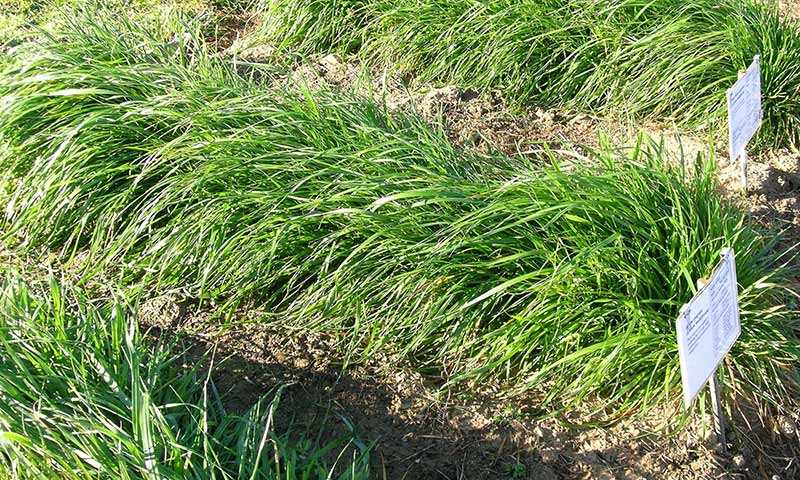
Annual ryegrass is a fast-growing, versatile grass that is often used for grazing, cover cropping, and erosion control. It germinates quickly, providing lush green forage in a short period, making it a popular choice among farmers and landscapers alike.
In brief, annual ryegrass is a type of grass that completes its life cycle within a year. It’s valued for its rapid growth, adaptability, and ability to improve soil health, making it an excellent option for quick cover and forage.
If you’re wondering what annual ryegrass is, imagine a plant that springs up almost overnight, offering dense, nutritious foliage for livestock or ground cover. This annual grass is particularly favored in temperate regions due to its resilience and fast development, making it an ideal solution for those seeking quick results in pasture management, erosion prevention, or soil enhancement. Its ability to establish rapidly and decompose within a year makes it a practical and sustainable choice for various agricultural and landscaping projects, ensuring your land remains healthy and productive.

What is Annual Ryegrass?
Annual ryegrass is a popular type of grass used for a variety of purposes, from pasture to erosion control. It is known for its fast growth and adaptability to different soil types.
This grass grows quickly during cooler months and is often planted each year, which is why it’s called “annual.” Its ability to thrive in various conditions makes it a favorite among farmers and landscapers.
What Are the Main Characteristics of Annual Ryegrass?
Fast Germination and Growth
One of the key features of annual ryegrass is its rapid germination. Seeds can sprout within a few days after planting. The plant can reach full maturity in just a few months, making it an efficient choice for quick ground coverage.
High Nutritional Value
This grass provides excellent forage for livestock because of its high protein levels. It is often used in pasture mixes to improve the quality of grazing land.
Adaptability to Soil and Climate
Annual ryegrass can grow in a wide range of soil types, including sandy, loamy, and clay soils. It prefers cool weather but can tolerate some heat, making it versatile across different climates.
Growing Conditions for Annual Ryegrass
Soil Requirements
It thrives in well-drained soils that have a pH between 5.5 and 7.5. Adding organic matter can enhance soil fertility and improve growth.
Climate Preferences
Annual ryegrass prefers cooler temperatures, with optimal growth occurring between 50°F and 70°F. It can withstand light frosts but may struggle in extreme heat or drought conditions.
Water Needs
Consistent moisture is important for healthy growth. While it requires regular watering, it does not tolerate waterlogged soils well.
Planting and Establishment
Seed Selection
Choose high-quality seeds to ensure good germination and vigorous growth. Seed size and purity are important factors to consider.
Seeding Methods
Annual ryegrass can be planted using broadcasting, drilling, or overseeding methods. For even coverage, a seed drill offers the best results.
Optimal Seeding Time
Plant seeds in early fall or late winter for best establishment. Timing depends on your local climate and growing season.
Management and Maintenance
Fertilization
Applying nitrogen-rich fertilizers encourages lush growth. It’s beneficial to test soil first to determine exact nutritional needs.
Pest and Disease Control
Annual ryegrass is generally resistant to pests, but it can be affected by fungal diseases like rust or leaf spot. Proper crop rotation and fungicide application can prevent issues.
Weed Control
Healthy ryegrass growth naturally suppresses weeds. However, early weed management helps maintain a clean stand and prevent competition for nutrients.
Uses of Annual Ryegrass
Grazing and Forage
Farmers value annual ryegrass for its rich nutritional content. It is often used in pasture mixes for cattle, sheep, and horses.
Erosion Control and Soil Improvement
This grass helps stabilize soil on slopes and disturbed areas. Its extensive root system reduces soil erosion and improves water retention.
Cover Cropping and Green Manure
Annual ryegrass is effective as a cover crop to add organic matter to the soil. It can be incorporated into rotation plans to boost soil fertility.
Advantages and Disadvantages
Advantages
- Rapid establishment and growth
- High nutritional value for livestock
- Versatile in different climates and soils
- Helps control soil erosion
Disadvantages
- Requires regular watering for optimal growth
- May be susceptible to certain fungal diseases
- Not suitable for year-round planting in very hot or dry regions
Comparison with Other Types of Ryegrass
| Feature | Annual Ryegrass | Perennial Ryegrass | Italian Ryegrass |
|---|---|---|---|
| Growth Habit | Annual, completes life cycle in one year | Perennial, lives for multiple years | Annual or perennial, depending on variety |
| Use | Grazing, cover crop, erosion control | Grazing, lawns, sports fields | Pasture, silage, turf |
| Growth Rate | Fast | Moderate to fast | Fast |
| Climate Preference | Cool season | Cool to moderate | Cool season |
Related Topics to Explore
- Soil Fertility Management
- Best Fertilizers for Ryegrass
- Timing for Seeding in Different Regions
- Integrating Ryegrass into Crop Rotation
- Common Pests and How to Manage Them
Understanding what annual ryegrass is helps farmers and landscapers make informed decisions about planting and management. This grass offers many benefits, from quick ground cover to nutritional value, making it a versatile choice for various applications.
Annual vs perennial ryegrass for bermuda winter overseed
Frequently Asked Questions
What are the main uses of annual ryegrass in agriculture?
Annual ryegrass serves as a popular cover crop and forage plant due to its fast germination and quick growth. Farmers often plant it to improve soil quality, prevent erosion, and provide high-quality feed for livestock. Its adaptability to various soil types and climates makes it an effective option for pasture renovation and turf management as well.
How does annual ryegrass differ from perennial ryegrass?
Annual ryegrass completes its life cycle within a single year, requiring replanting each season. In contrast, perennial ryegrass persists for multiple years without needing to be reseeded. The two grasses also differ in their growth habits, with annual ryegrass typically growing more rapidly and being more suitable for temporary cover crops or seasonal forage, while perennial ryegrass offers longer-lasting pasture options.
What conditions are ideal for growing annual ryegrass?
Annual ryegrass thrives in well-drained soils with moderate fertility. It prefers cool to mild temperatures and adequate moisture during germination and early growth stages. The plant responds well to fertilization, especially with nitrogen, and requires full sun to establish healthy growth. Proper soil preparation and timely planting help maximize yields and ensure successful establishment.
Final Thoughts
Annual ryegrass is a versatile and fast-growing grass used primarily for forage and cover cropping. It thrives in various climates and improves soil health while providing quick ground cover. Farmers appreciate its quick germination and high yield potential.
Understanding what is annual ryegrass helps in making informed decisions for land management. Its ability to adapt and produce abundant biomass makes it a popular choice. This grass plays a crucial role in sustainable agriculture practices.