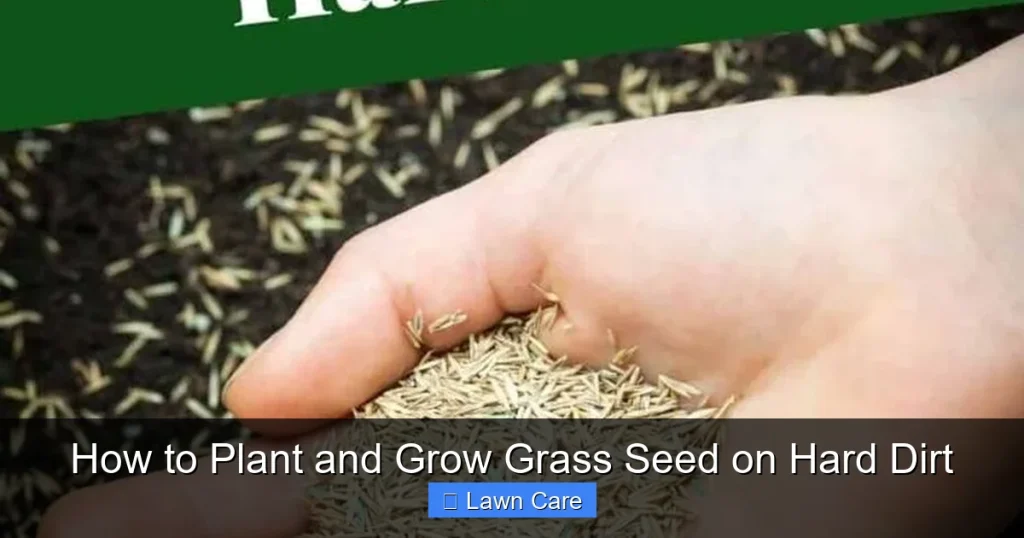
Growing grass on hard dirt is challenging but totally doable with the right steps. This guide walks you through soil prep, seeding, watering, and care to transform compacted earth into a thriving lawn. Follow these proven tips for green, resilient grass that lasts.
Key Takeaways
- Break up compacted soil: Use a tiller, aerator, or garden fork to loosen hard dirt so roots can grow deep.
- Test and amend the soil: Check pH and nutrient levels, then add compost or topsoil to improve structure and fertility.
- Choose the right grass seed: Pick a variety suited to your climate, sunlight, and soil type for best results.
- Water consistently but wisely: Keep seeds moist with light, frequent watering until germination, then deepen gradually.
- Protect new seedlings: Use straw mulch or erosion mats to prevent birds, wind, and runoff from damaging young grass.
- Avoid foot traffic early on: Stay off newly seeded areas for at least 4–6 weeks to let roots establish.
- Be patient and persistent: Grass may take 2–8 weeks to sprout—consistent care makes all the difference.
How to Plant and Grow Grass Seed on Hard Dirt
If you’ve ever looked at a patch of hard, cracked dirt and dreamed of a soft, green lawn, you’re not alone. Many homeowners face compacted, lifeless soil that seems impossible to grow anything in—especially grass. But with the right approach, even the toughest dirt can become a lush carpet of green. In this guide, you’ll learn exactly how to plant and grow grass seed on hard dirt, from breaking up the soil to nurturing your new lawn into full health.
Whether you’re starting from scratch or repairing bare spots, these step-by-step instructions will help you overcome compaction, poor drainage, and low fertility. We’ll cover everything from soil prep to watering schedules, seed selection, and troubleshooting common problems. By the end, you’ll have the tools and knowledge to turn hardpan into a thriving lawn.
Step 1: Assess and Prepare the Soil
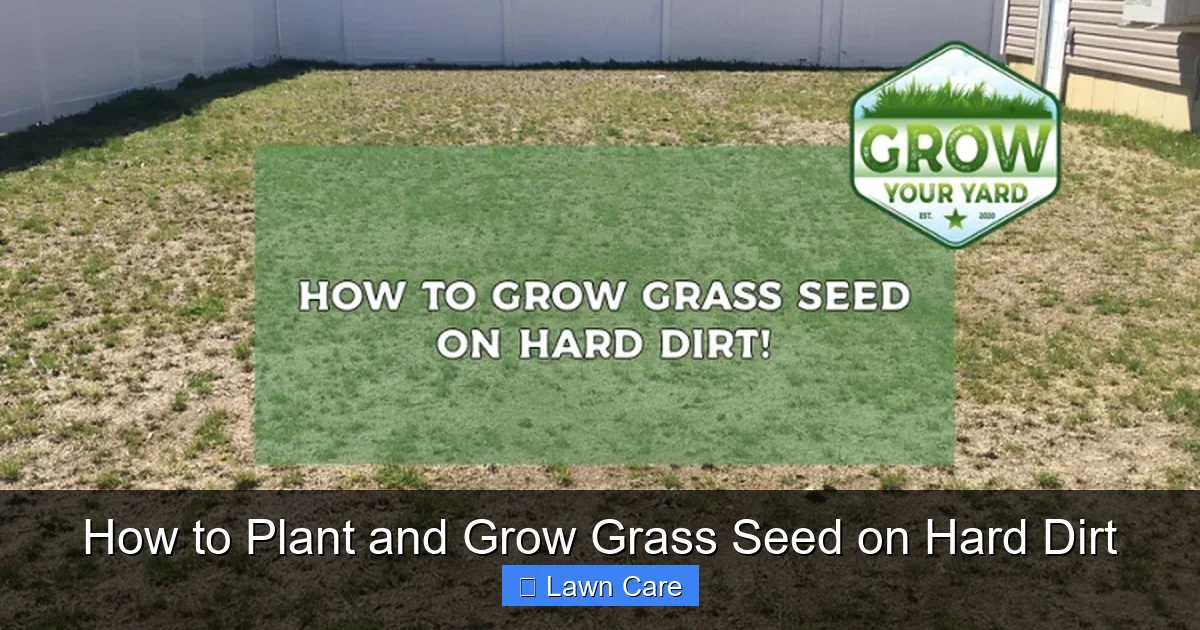
Visual guide about How to Plant and Grow Grass Seed on Hard Dirt
Image source: growyouryard.com
The biggest hurdle when planting grass on hard dirt is compaction. Over time, foot traffic, heavy rain, or construction can squeeze soil particles together, leaving little room for air, water, or roots. Before you even think about scattering seed, you need to loosen that soil.
Break Up the Compacted Layer
Use a garden fork, manual aerator, or power tiller to break up the top 4–6 inches of soil. If the dirt is extremely hard, you may need to water it lightly a day before to soften it slightly. Work in sections, loosening the soil without turning it completely—this preserves beneficial soil structure.
For large areas, consider renting a core aerator. This machine removes small plugs of soil, creating channels for water, oxygen, and roots. It’s one of the most effective ways to combat compaction.
Remove Debris and Weeds
Clear away rocks, sticks, dead grass, and weeds. Weeds compete with new seedlings for nutrients and sunlight. If you have persistent weeds like crabgrass or dandelions, consider using a non-selective herbicide (like glyphosate) at least two weeks before seeding. Always follow label instructions and allow time for the product to break down.
Test Your Soil
Hard dirt often lacks nutrients and may be too acidic or alkaline for grass. Buy an affordable soil test kit from your local garden center or send a sample to a lab. Most grasses prefer a pH between 6.0 and 7.0. If your soil is too acidic (below 6.0), add lime. If it’s too alkaline (above 7.5), sulfur can help lower the pH.
Step 2: Improve Soil Quality
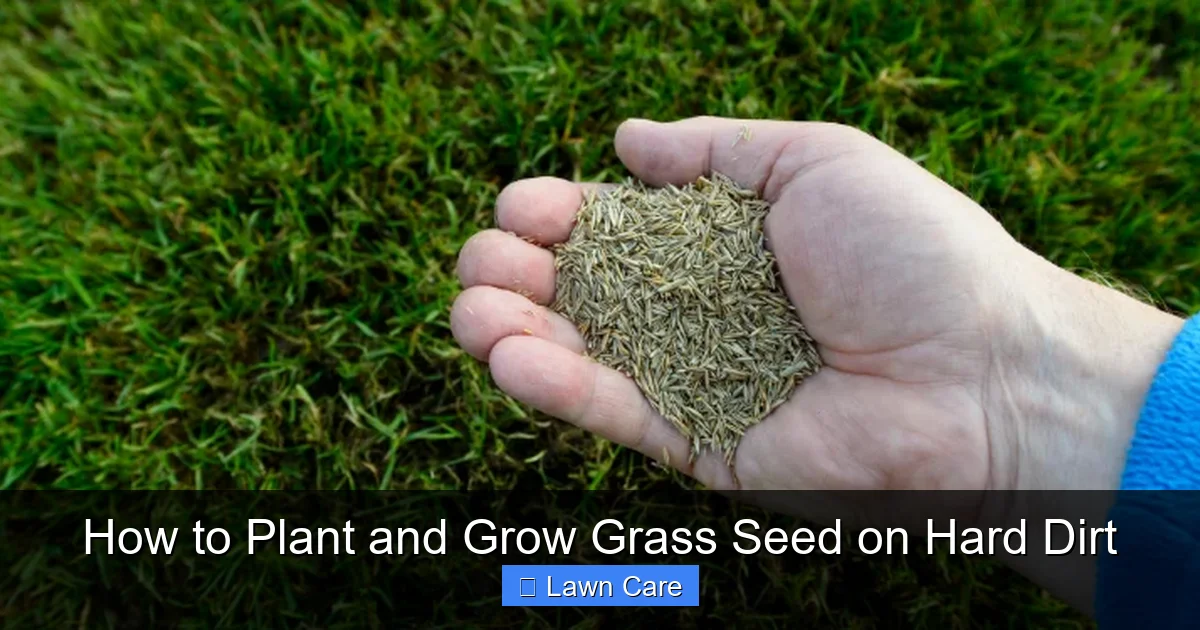
Visual guide about How to Plant and Grow Grass Seed on Hard Dirt
Image source: growyouryard.com
Even after loosening, hard dirt may still lack the organic matter and nutrients grass needs to thrive.
Add Organic Matter
Spread a 1–2 inch layer of compost, well-rotted manure, or high-quality topsoil over the area. Compost improves soil structure, boosts microbial activity, and adds essential nutrients. Mix it into the top 4 inches of soil using a rake or tiller.
If your soil is clay-heavy (common in hard dirt), compost helps break up dense particles. If it’s sandy, it increases water retention. Either way, organic matter is a game-changer.
Consider a Soil Conditioner
Products like gypsum or soil conditioners can help improve soil structure without altering pH. Gypsum is especially useful for clay soils—it binds particles into clumps, creating better pore space for roots and water.
Step 3: Choose the Right Grass Seed
Not all grass seeds are created equal. Your success depends heavily on selecting a variety that matches your climate, sunlight, and soil type.
Cool-Season vs. Warm-Season Grass
– Cool-season grasses (like Kentucky bluegrass, fescue, and ryegrass) grow best in northern regions with cold winters and moderate summers. Plant them in early fall or spring.
– Warm-season grasses (like Bermuda, Zoysia, and St. Augustine) thrive in southern climates with hot summers. Seed or sod them in late spring to early summer.
If you’re in a transition zone (parts of the Midwest, Mid-Atlantic, or Texas), choose a blend designed for variable conditions.
Look for Quality Seed
Buy fresh, high-germination seed from a reputable supplier. Check the label for:
– Pure seed percentage (should be 90%+)
– Germination rate (85%+ is good)
– Weed seed content (should be 0.5% or less)
For hard dirt, consider a seed mix labeled for “tough soils” or “low-maintenance” lawns. These often include deep-rooted fescues that tolerate compaction better.
Step 4: Plant the Grass Seed
Now that your soil is prepped and your seed is chosen, it’s time to plant.
Rake the Soil Smooth
Use a garden rake to create a fine, even seedbed. Remove any clumps and break up large pieces. The goal is a smooth, crumbly surface—like brownie batter—so seeds can make good contact with the soil.
Spread the Seed Evenly
Use a broadcast spreader or drop spreader for even coverage. Follow the recommended seeding rate on the package—usually 2–4 pounds per 1,000 square feet for most grasses. For bare spots, you can overseed at a slightly higher rate.
Pro tip: Divide your seed into two batches. Spread the first half in one direction (e.g., north to south), then the second half perpendicular (east to west). This reduces missed spots and ensures uniform coverage.
Lightly Rake and Roll
Gently rake the seeded area to cover seeds with about ¼ inch of soil. This protects them from birds and wind while still allowing light to reach them. Then, use a lawn roller (half-full of water for weight) to press seeds into the soil. This improves seed-to-soil contact, which is critical for germination.
Step 5: Water Properly
Watering is the most important—and most misunderstood—part of growing grass from seed.
Keep Seeds Moist
New grass seeds need constant moisture to sprout. Water lightly 2–3 times a day (morning, midday, and early evening) for the first 1–2 weeks. Use a fine mist or sprinkler to avoid washing away seeds. The soil should feel damp but not soggy—like a wrung-out sponge.
Adjust as Grass Grows
Once seedlings appear (usually in 7–21 days), reduce watering frequency but increase depth. Water every other day, soaking the soil to 4–6 inches. This encourages deep root growth.
After 4–6 weeks, transition to watering 1–2 times per week, depending on weather. Deep, infrequent watering builds drought-resistant grass.
Step 6: Protect and Maintain
Your new grass is fragile. Protect it from damage and give it the best chance to thrive.
Use Mulch or Erosion Mats
Spread a thin layer of straw mulch (about ½ inch) over seeded areas. Straw holds moisture, prevents erosion, and deters birds. Avoid hay—it contains weed seeds.
On slopes or windy areas, use biodegradable erosion control mats made from coconut fiber or jute.
Avoid Foot Traffic
Stay off newly seeded areas for at least 4–6 weeks. Walking on young grass can uproot tender seedlings or compact the soil again.
Mow Carefully
Wait until grass reaches about 3–4 inches tall before the first mow. Set your mower to the highest setting and never remove more than one-third of the blade height at once.
Troubleshooting Common Problems
Even with perfect prep, issues can arise. Here’s how to handle them:
- Seeds not sprouting? Could be poor soil contact, lack of water, or old seed. Re-rake lightly and increase watering. If no improvement in 3 weeks, reseed.
- Birds eating seeds? Use netting or straw mulch. You can also try visual deterrents like shiny tape or decoy owls.
- Patchy growth? May indicate uneven seeding or soil variation. Overseed thin areas and top-dress with compost.
- Weeds returning? Hand-pull young weeds. Avoid chemical herbicides until grass is at least 6 weeks old and well-established.
- Soil still too hard? Consider annual aeration to maintain soil health. You can also read our guide on how to grow grass fast on dirt for accelerated results.
Conclusion
Planting grass seed on hard dirt isn’t easy—but it’s absolutely achievable with patience and the right techniques. By breaking up compaction, enriching the soil, choosing the best seed, and watering wisely, you can transform even the toughest ground into a healthy, green lawn.
Remember, success starts below the surface. Healthy soil equals healthy grass. Don’t rush the prep work, and don’t skimp on watering in the early stages. With consistent care, your lawn will reward you with lush, resilient growth season after season.
For more tips, check out our detailed guide on how to get grass to grow on dirt or learn how long it takes for grass seed to grow so you know what to expect. And if you’re dealing with weeds, don’t miss our article on how to kill weeds and grow grass.
Your dream lawn is closer than you think—start today!