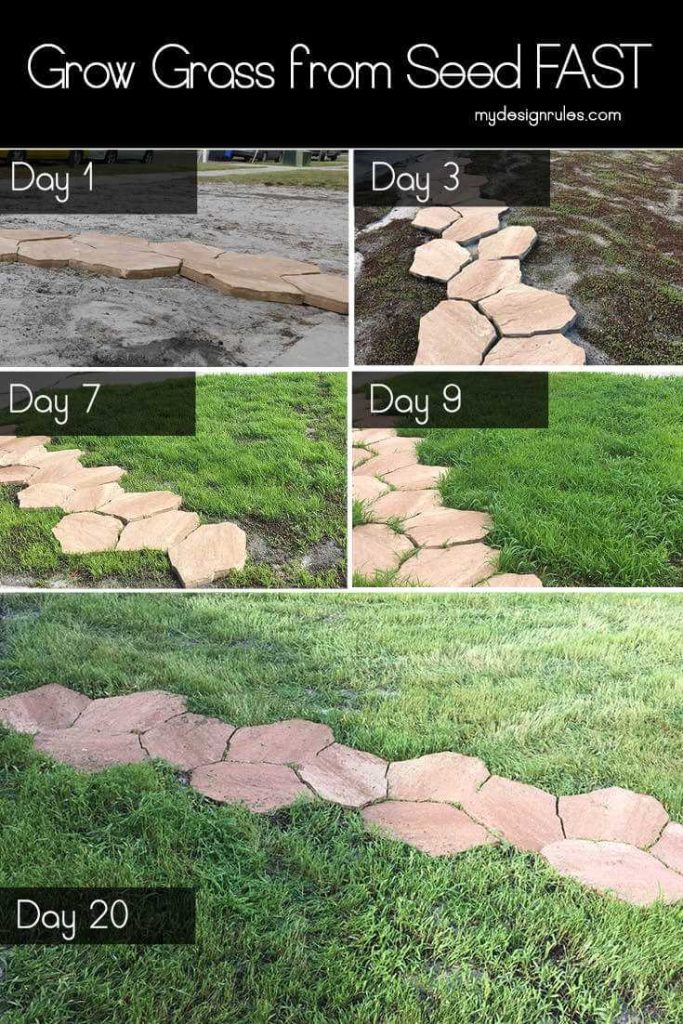
If you’re looking to grow grass quickly on dirt, the key is preparation and the right techniques. Start by clearing the area of debris and loosening the soil to promote root growth. Next, choose a fast-germinating grass seed that suits your climate. Reseed the area evenly and water it consistently to keep the soil moist, but not soggy. Fertilizing can also give your grass the nutrients it needs to thrive. With patience and care, you’ll have a lush green lawn in no time. Growing grass on bare dirt might seem challenging, but with the right approach, you can transform that patchy ground into a vibrant green space you’ll love. Let’s dive into the details to ensure your grass grows fast and strong!

“`html
How to Grow Grass Fast on Dirt
Growing grass on bare dirt might seem like a daunting task, but with the right techniques, you can create a lush green lawn in no time. Whether you have a small patch of dirt or a larger area, there are several steps you can follow to ensure your grass grows quickly and healthily.
Understanding Your Soil
Before planting grass, it’s essential to understand the type of soil you have. Soil quality plays a significant role in how well grass can grow. Here are a few types of soil you might encounter:
- Sandy Soil: Drains quickly but may not retain nutrients.
- Clay Soil: Retains moisture well but can become compacted.
- Loamy Soil: A mix of sand, silt, and clay; ideal for grass growth.
To improve your soil, consider getting it tested for pH and nutrient levels. Most grasses prefer a pH between 6.0 and 7.0.
Preparing the Soil
Preparation is key to growing grass successfully. Here’s how to prepare your dirt:
1. **Clear Debris:** Remove any rocks, weeds, and old roots from the area.
2. **Till the Soil:** Use a garden tiller or a shovel to break up compacted soil for better aeration.
3. **Level the Area:** Rake the soil to create an even surface, which helps water distribute evenly.
Taking the time to prepare your soil will ensure a better start for your grass seeds.
Choosing the Right Grass Seed
Selecting the right grass species is crucial for fast growth. Different grasses thrive in various climates and soil conditions. Here are a few fast-growing options:
- Perennial Ryegrass: Germinates quickly and establishes fast.
- Bermudagrass: Perfect for warmer climates and grows rapidly.
- Tall Fescue: Tolerates heat and drought while growing quickly.
Check with local gardening centers to find the best grass seed suited for your region.
Seeding Techniques
Now that you have your soil ready and grass seed selected, it’s time to plant. Follow these simple steps:
1. **Sow Seeds Evenly:** Use a broadcast spreader for even distribution.
2. **Cover the Seeds:** Lightly rake the soil to cover the seeds with about a quarter inch of soil.
3. **Water Thoroughly:** A gentle watering helps settle the seeds without washing them away.
Proper seeding techniques can enhance growth and ensure that your lawn flourishes.
Watering Your New Lawn
Watering is vital in the early stages of grass growth. Here’s how to effectively water your lawn:
– **Frequency:** Water daily for the first week after planting to keep the soil moist.
– **Amount:** Aim for around 1 inch of water per week after germination.
– **Early Morning Watering:** Water in the early morning to reduce evaporation.
Correct watering will support strong root development.
Fertilizing for Growth
Using the right fertilizer helps your grass to grow faster. Here are a few tips:
– **Choose a Starter Fertilizer:** High in phosphorus to promote root growth.
– **Apply After Germination:** Wait until the grass is at least an inch tall before fertilizing.
– **Follow Instructions:** Always follow the manufacturer’s instructions for application rates.
Fertilizing at the right times can significantly enhance grass growth.
Maintaining Your Lawn
Once your grass begins to grow, maintaining it is essential. Follow these maintenance tips:
- Mowing: Mow when grass reaches about 3 inches tall to encourage growth.
- Weeding: Remove weeds regularly to minimize competition for nutrients.
- Monitoring Thatch: Keep an eye on thatch build-up and aerate as needed.
Regular maintenance keeps your lawn healthy and vibrant.
Dealing with Pests and Diseases
Even healthy grass can face challenges from pests and diseases. Here’s what to look out for:
– **Common Pests:** Grubs, chinch bugs, and armyworms can harm your grass.
– **Signs of Disease:** Yellow patches or wilting can indicate issues with your grass.
– **Preventive Measures:** Use organic controls and maintain healthy lawn practices.
Identifying problems early can save your grass and promote quicker recovery.
Using Natural Methods for Growth
If you prefer organic methods, there are several natural approaches to ensure fast grass growth. Here are a few suggestions:
– **Compost:** Add compost to enrich the soil naturally.
– **Mulching:** Use straw as mulch to retain moisture and protect seeds.
– **Natural Fertilizers:** Utilize options like fish emulsion or seaweed extract.
These methods are gentle on the environment while still promoting fast growth.
Seasonal Considerations
Timing is important when growing grass. Here’s what to consider for different seasons:
– **Spring:** Ideal for planting cool-season grasses.
– **Summer:** Great for warm-season varieties, but ensure consistent watering.
– **Fall:** Planting during this time allows roots to establish before winter.
Choose your planting time based on the grass species and climate conditions.
Common Mistakes to Avoid
To grow grass quickly on dirt, steer clear of these common pitfalls:
- Sowing Too Deep: Plant seeds too deep, and they may not germinate.
- Inconsistent Watering: Infrequent watering can hinder seed growth.
- Ignoring Weeds: Letting weeds thrive can choke out your grass.
Avoiding these mistakes can lead to a thriving lawn.
Finally, remember that growing grass fast on dirt is a process that requires patience and care. By following the outlined steps, you can transform your dirt patch into a vibrant lawn that you can enjoy all year round.
“`
How to Grow a Lawn From Scratch (DIY Guide + Lessons Learned)
Frequently Asked Questions
What soil preparation steps should I take before planting grass?
Before planting grass, ensure you prepare the soil properly. Start by removing any debris, rocks, or old grass. Use a rake to level the surface and break up any large clumps of dirt. Test the soil pH; it should ideally be between 6.0 and 7.5. If needed, amend the soil with lime or sulfur to adjust the pH. Additionally, consider incorporating organic matter, like compost, to improve soil structure and nutrient content.
Which grass seed type grows the fastest in dirt?
Selecting the right type of grass seed is crucial for quick growth. Quick-germinating grass seed varieties, such as Perennial Ryegrass, often sprout within 5 to 10 days, making them ideal for rapid coverage. If you live in a warmer climate, Bermuda grass is another fast-growing option. Always choose a variety suited to your local climate and the specific conditions of your yard.
How often should I water newly planted grass?
Newly planted grass needs consistent moisture to establish roots quickly. Water the area daily for the first couple of weeks, ensuring the soil stays moist but not soggy. After the initial two weeks, gradually reduce watering frequency, allowing the soil to dry slightly between waterings. Once the grass is established, you should aim to water it about once or twice a week, depending on the weather conditions.
What fertilizers are best for fast grass growth?
Using a fertilizer specifically formulated for grass can accelerate growth. Look for a balanced fertilizer with higher nitrogen content, as this nutrient promotes lush, green growth. A starter fertilizer with an N-P-K ratio of 10-20-10 or similar can provide good initial nourishment. Apply the fertilizer according to the package instructions and avoid over-fertilizing, which can harm the grass.
How can I protect my new grass from weeds?
Preventing weed growth is essential for the success of your new grass. Before planting, ensure the soil is free from weed seeds by clearing the area and using a pre-emergent herbicide if necessary. Once the grass is established, consider applying a selective post-emergent herbicide that targets weeds without harming your grass. Regular mowing and proper watering can also help discourage weed growth.
Final Thoughts
To grow grass fast on dirt, start by preparing the soil properly. Clear any debris and loosen the dirt to promote healthy root growth.
Next, choose a fast-growing grass seed suited for your climate. Water consistently and avoid over-saturating to encourage quick germination.
Lastly, apply a quality fertilizer to provide essential nutrients. With these steps, you can effectively learn how to grow grass fast on dirt and enjoy a lush green yard in no time.