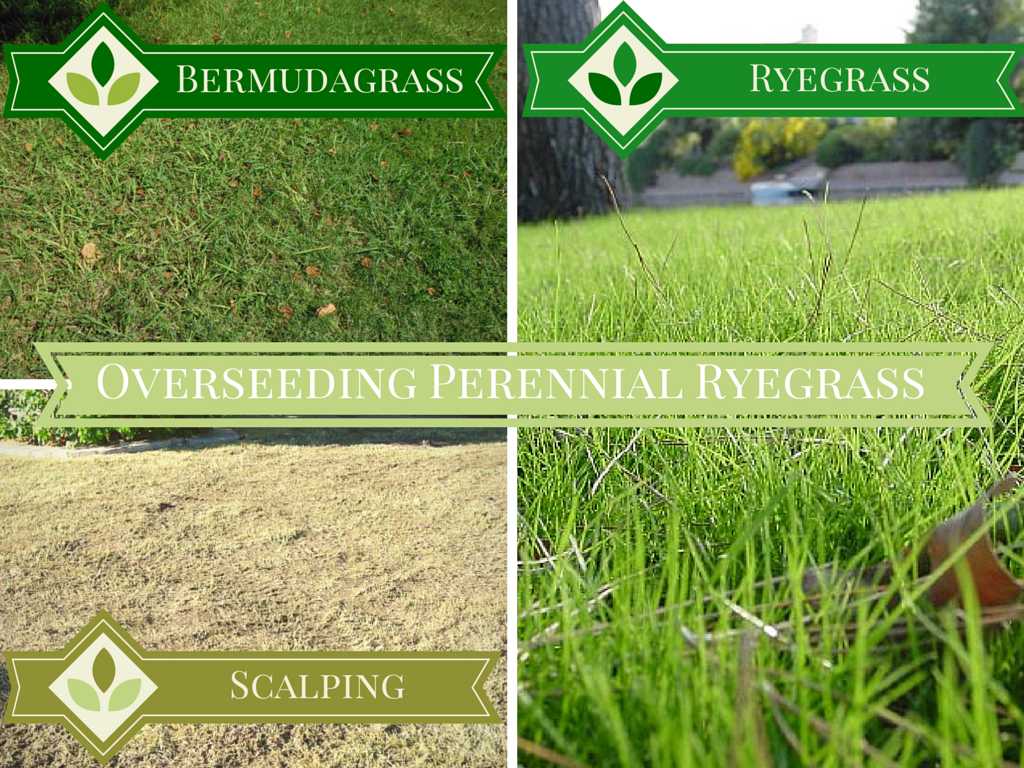
To overseed your lawn with ryegrass successfully, start by preparing the soil thoroughly, spreading the seed evenly, and watering consistently to promote germination. Keep the area moist and ensure proper sunlight to help the new grass thrive. With patience and care, you’ll soon have a lush, thick lawn ready to impress.
Overseeding with ryegrass is a great way to rejuvenate your lawn and improve its overall appearance and resilience. The key is to prepare the soil properly, choose the right seed, and maintain consistent watering to encourage healthy growth. This quick guide will walk you through the essential steps to achieve a beautiful, robust ryegrass lawn that enhances your outdoor space.
Getting your lawn ready for overseeding with ryegrass is a straightforward process that can yield incredible results. If your grass looks thin, patchy, or worn out, overseeding can be your secret weapon for a greener, thicker yard. The trick is to get the timing right—preferably in the fall or early spring—along with meticulous soil preparation, including dethatching and aerating. Once the seed is spread evenly, keep the soil consistently moist and avoid heavy foot traffic until the new grass is established. With these simple steps, you’ll be well on your way to enjoying a lush, vibrant lawn that stands up to wear and tear all year round.

How to Overseed with Ryegrass for a Lush, Green Lawn
Overseeding with ryegrass is a great way to improve your lawn’s appearance and health. It helps fill in bare spots and thickens the grass for a denser, more resilient yard. Understanding the process fully ensures successful overseeding and a beautiful, vibrant lawn.
Understanding Ryegrass and Its Benefits
Ryegrass is a popular choice for overseeding because it germinates quickly and creates a lush green cover. It thrives in diverse soil conditions and withstands wear and tear, making it perfect for lawns used often.
Some benefits of overseeding with ryegrass include increased drought tolerance, improved soil health, and enhanced resistance to pests and diseases. Additionally, ryegrass complements existing grass types, blending seamlessly for an even look.
Selecting the Right Ryegrass for Your Lawn
There are mainly two types of ryegrass used for overseeding: perennial and annual. Perennial ryegrass stays vibrant year after year, while annual ryegrass is better for temporary cover.
Consider your climate, lawn usage, and soil conditions when choosing. Perennial ryegrass is ideal for cooler climates and high-traffic areas, whereas annual ryegrass can be useful for temporary coverage or overseeding in warmer conditions.
Factors to Think About When Choosing Ryegrass
- Temperature Range: Match the ryegrass type to your local climate
- Growth Rate: Fast germinating varieties are preferable for quick results
- Shade Tolerance: Select ryegrass that can thrive in shaded parts of your yard
- Durability: Choose varieties that withstand foot traffic and mowing
Preparing Your Lawn for Overseeding
Preparation is vital to ensure successful overseeding. Properly preparing your lawn improves seed-to-soil contact, which is essential for germination.
Start by mowing your existing grass to about half its usual height. Remove any debris, leaves, or thatch that could hinder seed contact. Aerate the soil if necessary to loosen compacted soil and improve airflow in the root zone.
Addressing Soil Conditions
Testing your soil helps determine its pH and nutrient levels. Ryegrass prefers a pH between 5.5 and 7.0. Amend the soil with lime or fertilizer as needed to optimize growing conditions.
Adding organic matter or compost can also enhance soil fertility and structure, promoting healthy seedling growth.
Timing Your Overseeding Project
The time of year plays a crucial role in overseeding success. The best periods are during early fall or early spring when temperatures are moderate and rainfall is adequate.
In cooler climates, overseed in autumn to allow seedlings to establish before winter. For warmer regions, early spring is preferable to avoid heat stress on new grass.
Weather Considerations
- Avoid overseeding during extremely hot or dry periods
- Ensure the forecast includes regular rain or plan to water regularly
- Overseed when soil is moist and temperatures are between 50°F and 75°F
Seeding Techniques to Achieve Optimal Germination
Proper seed distribution is key to a uniform and dense lawn. Use a broadcast spreader for large areas, ensuring even coverage. For small patches, hand spreading is effective.
Apply seed at the recommended rate specified on the seed package. Typically, ryegrass requires about 10 to 20 pounds per 1000 square feet for overseeding.
Incorporating Seeds into the Soil
After spreading the seed, lightly rake the area to mix the seed into the topsoil. This contact encourages quicker germination. Alternatively, you can use a seed roller or walk over the area to press the seed into the soil.
Mulching with a light layer of straw or grass clippings can retain moisture and protect newly seeded areas from birds and wind.
Watering and Maintaining Your Overseeded Lawn
Consistent watering is essential during seed germination. Keep the soil moist, but not waterlogged, especially during the first two weeks. Watering 2 to 3 times daily may be necessary in dry or hot weather.
Once the grass germinates and begins to grow, reduce watering frequency but increase depth to encourage deep root development. Mowing should be delayed until the new grass reaches about 3 inches in height.
Fertilization Tips for Healthy Ryegrass Growth
- Apply a balanced starter fertilizer when seeding to support root development
- Follow up with regular feedings throughout the growing season
- Avoid over-fertilizing to prevent disease and excessive thatch buildup
Controlling Weeds and Pests Post-Overseeding
Weed control is more effective when weeds are small. Use a selective herbicide if weeds become problematic, but avoid disturbing new seedlings.
Proper lawn maintenance, including mowing at the correct height and overseeding regularly, reduces pest infestation risks. Maintaining a healthy, dense turf can naturally repel many pests and diseases.
Long-term Lawn Care with Ryegrass Overseeding
For continued success, overseed annually or as needed to maintain lawn density. Aerate your lawn periodically to reduce soil compaction and improve nutrient absorption.
Consistent watering, fertilizing, and mowing at the appropriate height keep your ryegrass looking its best. Remember that a healthy lawn is a resilient lawn, resistant to many common problems.
Additional Tips for Perfect Overseeding Results
- Keep foot traffic to a minimum during seedling establishment
- Adjust watering schedules seasonally to match weather conditions
- If needed, overseed problem areas more frequently to repair patchiness
Implementing these steps and understanding the key factors will help you achieve a thick, green, and healthy ryegrass lawn through overseeding. Proper preparation, timing, and maintenance are the secret ingredients to successful overseeding projects. With patience and care, your lawn will thrive with rich, vibrant growth that lasts through the seasons.
How To Overseed Bermuda Grass With Perennial Ryegrass
Frequently Asked Questions
What preparations should I make before overseeding with ryegrass?
Before overseeding with ryegrass, thoroughly mow your existing lawn to about 1 to 1.5 inches to reduce competition. Remove any debris, such as leaves and thatch, to create a smooth surface. Aerate the soil to alleviate compaction and improve seed-to-soil contact. If necessary, perform a soil test to determine if you need to adjust the pH or add nutrients to support healthy germination and growth.
How can I ensure proper seed-to-soil contact during overseeding?
After spreading the ryegrass seed, lightly rake the area to help the seeds settle into the soil. Alternatively, use a roller or a piece of turf to gently press the seeds into the ground. Consistent moisture is essential, so keep the soil evenly moist through regular watering until the new grass establishes. Proper contact between the seed and soil promotes better germination rates and even growth.
What is the best time of year to overseed with ryegrass?
The optimal time to overseed with ryegrass depends on your climate. In cooler regions, early fall provides ideal conditions with mild temperatures and adequate moisture. In warmer climates, early spring works well as it allows the grass to establish before the heat of summer. Make sure soil temperatures are above 50°F (10°C) for successful germination, regardless of the season.
How often should I water after overseeding with ryegrass?
Maintain consistent moisture in the soil by watering lightly several times a day, especially during the first two weeks. This encourages germination and seedling growth. Once the new grass begins to establish, gradually reduce the frequency of watering but increase the depth of each session to promote deeper root development. Proper watering habits ensure a healthy, dense lawn.
Can I overseed in conjunction with fertilization, and how should I do it?
Yes, overseeding works well with fertilization. Apply a starter fertilizer that is rich in phosphorus to support root growth shortly after spreading the seeds. Follow the fertilizer instructions carefully to avoid overapplication. Combining overseeding with fertilization provides the nutrients necessary for the new ryegrass to establish quickly and thrive alongside your existing lawn.
Final Thoughts
To overseed with ryegrass successfully, start by mowing your lawn to a short height to prepare a clean seedbed. Aerate the soil to improve seed contact and ensure even germination. Spread the ryegrass seed evenly using a broadcast spreader and water thoroughly afterward.
Consistent watering helps establish the new grass, especially during dry spells. Keep foot traffic minimal until the ryegrass is well-rooted. Following these steps will help you achieve a healthier, denser lawn.
In conclusion, how to overseed with ryegrass involves proper preparation, seed distribution, and consistent watering. These steps ensure a successful overseeding process and a vibrant, lush lawn.