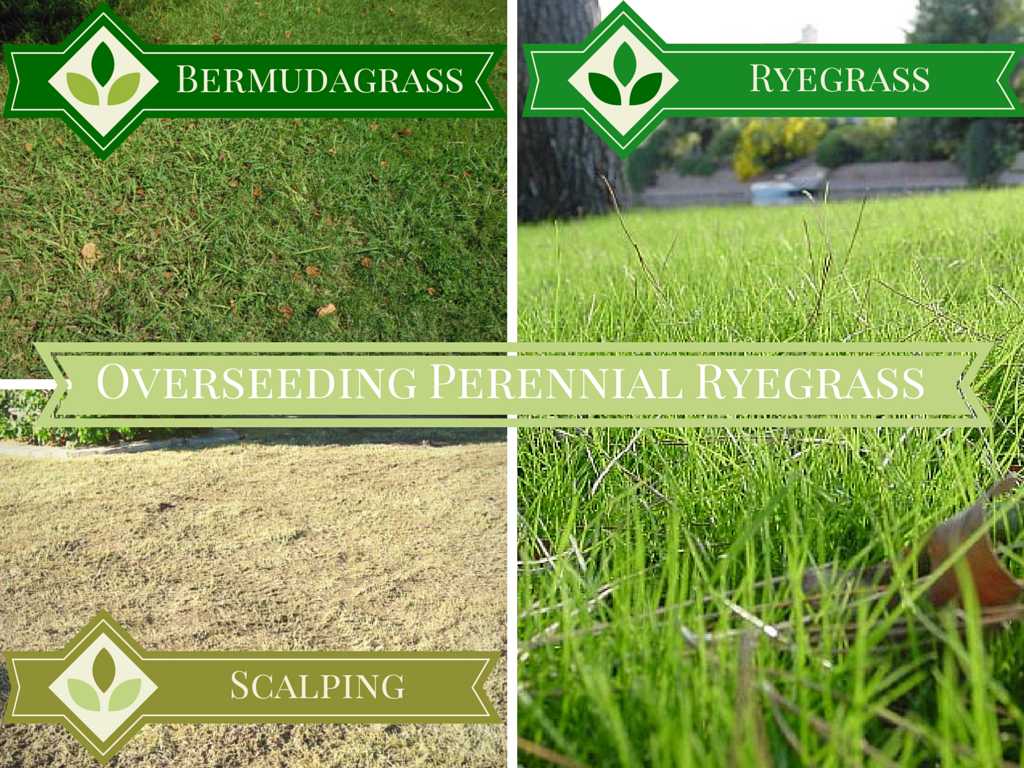
To overseed with ryegrass effectively, start by preparing your soil properly, then spread the seed evenly, and keep the area moist until new growth establishes. This quick process will revitalize your lawn, making it lush and durable in no time.
In short, overseeding with ryegrass is a straightforward way to rejuvenate tired lawns or fill in patchy areas. Begin by mowing your existing grass short, raking to remove debris, and aerating the soil if needed. Spread the ryegrass seed evenly, then water frequently to keep the soil moist. With proper care, you’ll see new, healthy turf emerge in just a few weeks.
Getting a vibrant, thick lawn doesn’t require complex steps—just a little preparation and the right seed. Ryegrass is an excellent choice for overseeding because it germinates quickly and provides instant greenery. Start by assessing your lawn’s condition and choosing a high-quality ryegrass seed. After mowing your existing grass low, rake to clear dead material and loosen the soil. Spread the seed evenly, then water thoroughly and consistently. Covering the area with mulch or straw can help retain moisture. With patience and proper watering, your lawn will transform into a dense, verdant carpet, giving your yard a fresh new look without the hassle of starting from scratch.

How to Overseed with Ryegrass
Overseeding with ryegrass is a simple way to improve your lawn’s health and appearance. It helps fill in bare spots and makes the grass more durable. Learning the right steps ensures your overseeding project is successful and your lawn looks lush.
Understanding Ryegrass and Its Benefits
Ryegrass is a fast-growing, hardy grass that can thrive in many soil types. It’s popular in overseeding because it germinates quickly and provides immediate coverage. It also offers excellent resistance to wear and disease, making your lawn stronger overall.
Choosing the Right Type of Ryegrass
There are two main types of ryegrass: perennial and annual. Perennial ryegrass stays green year-round and is best for permanent overseeding. Annual ryegrass grows quickly and is usually used for temporary cover or for quickly improving a lawn for a season.
For most overseeding projects, perennial ryegrass is preferred due to its durability and consistent growth. Make sure to select high-quality seed that is disease-resistant and suited to your climate.
When Is the Best Time to Overseed with Ryegrass?
The ideal time to overseed depends on your location and climate. Generally, early fall and spring are the best times because the soil is warm and moist, encouraging quick germination. Avoid overseeding during the extreme heat of summer or cold winter months.
In cooler climates, overseeding in September or October helps your new grass establish before winter. In warmer regions, early spring is best once the soil warms up.
Preparing Your Lawn for Overseeding
Step 1: Mow Your Existing Lawn
Begin by mowing your grass very short, to about one inch. This reduces competition for nutrients and allows the new seed to reach the soil easily.
Step 2: Rake and Remove Debris
Use a rake to clear away grass clippings, leaves, and thatch. This exposes the soil and creates a good seedbed for ryegrass to settle in.
Step 3: Aerate the Soil
If your soil is compacted, aerating is vital. Use a core aerator to loosen the ground, improving water, air, and nutrient flow to the roots. This step boosts seed germination rates.
Applying Ryegrass Seed
Step 1: Select the Right Seed Quantity
For overseeding, a rate of about 10 to 15 pounds per 1000 square feet is typical. Adjust based on your lawn’s condition and the seed’s coverage instructions.
Step 2: Spread the Seed Evenly
Use a broadcast spreader or a drop spreader for even distribution. Divide the seed into two halves and spread in opposite directions to ensure uniform coverage.
Step 3: Lightly Rake the Seed
Gently rake the seed into the soil to improve soil-to-seed contact. This helps with germination and reduces seed wash away during watering.
Step 4: Cover the Seed (Optional)
If your soil is very loose, lightly cover the seed with a thin layer of compost or topsoil. It protects seeds from birds and helps retain moisture.
Watering and Care After Overseeding
Initial Watering
Right after overseeding, water your lawn lightly but frequently. Keep the soil moist, about one-half inch of water per session, two to three times daily.
Maintaining Moisture
Continue to water regularly for the first two to three weeks. As the new grass establishes, reduce watering frequency but increase depth to encourage strong roots.
Fertilizing Your Lawn
Apply a light fertilizer after the seedlings emerge, typically about two to three weeks post-seeding. Use a balanced, slow-release fertilizer for steady growth.
Managing Lawn Traffic and Weeds
Limit foot traffic on the new overseeded areas to prevent soil compaction and seed displacement. Keep the lawn free of weeds, which compete with ryegrass for nutrients and water.
Apply a selective weed control if necessary, but wait until the new grass is well established, usually after six to eight weeks.
Dealing with Common Challenges
Uneven Germination
To avoid patchy growth, ensure even seed distribution and good soil contact. Adequate watering and proper soil preparation are key factors.
Weed Competition
Weeds can overshadow ryegrass seed. Use pre-emergent weed control before seeding and hand-pull weeds during establishment.
Dog and Pet Traffic
If pets walk on the overseeded lawn, train them to avoid the area until the grass is established. This prevents damage and seed loss.
Maintaining Your Ryegrass Overseeded Lawn
Regularly mow your lawn to a height of about two inches. This encourages thicker growth and discourages weeds.
Apply fertilizer in early spring and late fall to support healthy growth. Keep watering during dry periods, especially in hot weather.
By following these steps, your overseeded ryegrass lawn will become a lush, green space that withstands foot traffic and drought better than before.
How To Overseed Bermuda Grass With Perennial Ryegrass
Frequently Asked Questions
What is the best time of year to overseed with ryegrass?
The optimal time to overseed with ryegrass depends on your climate, but generally, it’s best to do so during early fall or spring. In fall, the soil remains warm enough for germination, while cooler air temperatures reduce stress on new seedlings. Spring overseeding allows the grass enough time to establish before the heat of summer arrives. Avoid overseeding during extreme cold or hot periods, as this can hinder germination and growth.
How do you prepare the existing lawn before overseeding with ryegrass?
Start by mowing your current grass to a shorter height, around 1 to 2 inches, to give the seeds better access to soil. Rake the lawn to remove debris, dead grass, and thatch, ensuring good seed-to-soil contact. If your soil feels compacted, aerate the area to loosen it, which helps roots grow deeper. Clear the area of any weeds or pests and fix any drainage issues to create a healthy environment for the new seeds to thrive.
What soil conditions are ideal for overseeding with ryegrass?
Ryegrass prefers well-drained, fertile soil with a pH level between 5.5 and 7.0. Before overseeding, test your soil and amend it if necessary—adding compost or fertilizers can improve fertility. If the soil is too compacted, aerate to enhance water and nutrient absorption. Ensuring proper soil conditions supports quick germination and strong growth of the new grass.
What is the proper technique for spreading ryegrass seed evenly?
Use a seed spreader, either handheld or rotary, to distribute the ryegrass seeds uniformly across the prepared area. Follow the recommended seeding rate specified on the seed packaging to avoid over- or under-seeding. After spread, lightly rake the soil to embed the seeds and make sure they are in contact with the soil. Applying a thin layer of mulch or straw can help retain moisture and protect the seeds from birds.
How should watering be managed after overseeding with ryegrass?
Keep the soil consistently moist during the germination period, which usually lasts 7 to 14 days. Water lightly but frequently, about once or twice daily, to prevent the soil from drying out. Once the grass begins to establish, gradually reduce the frequency of watering while increasing the depth to encourage deep root growth. Avoid overwatering, as it can lead to disease or seed washout.
Final Thoughts
To overseed with ryegrass successfully, choose a day with mild weather and low wind to ensure even seed distribution. Prepare the soil by raking and removing debris, creating a smooth surface for the seeds. Spread the ryegrass seed evenly across the area, then lightly rake to improve soil contact. Water thoroughly after overseeding to promote germination. Following these steps helps establish a healthy, dense ryegrass lawn efficiently. In summary, knowing how to overseed with ryegrass allows you to revitalize your turf quickly and effectively.