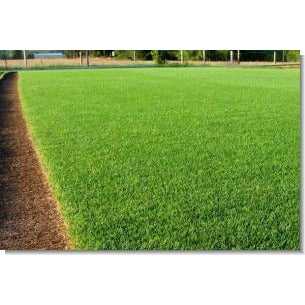
To plant perennial ryegrass successfully, choose a sunny spot with well-drained soil, prepare the soil by tilling and adding compost, spread the seeds evenly, and keep the soil moist until the grass is established. Regular watering and mowing once the grass grows will help it thrive and form a lush, durable lawn.
Perennial ryegrass is a popular choice for creating a vibrant, resilient lawn. To get started, selecting the right location and preparing your soil are key steps. Once you plant the seeds, consistent watering and proper maintenance will ensure your grass grows strong and green year-round. Whether for a sports field, garden, or roadside, planting perennial ryegrass is a straightforward process that rewards you with a beautiful, long-lasting turf. Just follow a simple planting routine, and you’ll be enjoying a fresh, lush lawn in no time.

How to Plant Perennial Ryegrass
Understanding Perennial Ryegrass and Its Benefits
Perennial ryegrass is a popular grass type used for lawns, sports fields, and pastures. It grows quickly and creates a lush, green cover that stays vibrant throughout the year. Its resilience makes it an excellent choice for high-traffic areas and diverse weather conditions. Growing this grass properly ensures a healthy, dense, and beautiful lawn.
Choosing the Right Time to Plant
The best time to plant perennial ryegrass depends on your climate. In cooler regions, early fall or early spring works well, allowing the grass to establish before extreme weather hits. For warmer areas, late winter or early spring are good options. Avoid planting during the hottest part of summer, as high temperatures can hinder germination.
Preparing the Soil for Planting
Proper soil preparation is essential for successful ryegrass growth. Start by removing any existing weeds, rocks, and debris. Loosen the soil with a garden fork or tiller to a depth of about 3 to 4 inches. Test the soil’s pH level—perennial ryegrass prefers a pH between 5.5 and 7.0. Amend the soil with compost or organic matter to improve fertility and drainage.
Testing and Adjusting Soil pH
Use a soil testing kit to determine the current pH level. If the soil is too acidic, add lime to raise the pH. If it’s too alkaline, sulfur can help lower the pH. Proper pH balance encourages healthy root development and nutrient absorption.
Leveling and Raking
After tilling and amendment, level the soil surface using a rake. Make sure there are no low spots where water can pool, as this can lead to disease. A smooth, even surface will help ensure uniform seed distribution and germination.
Selecting the Right Seeds for Your Lawn
Choosing high-quality perennial ryegrass seed is crucial for a successful lawn. Look for seeds labeled for your specific region and intended use, such as sports turf or ornamental lawns. Verify the seed’s purity and germination rate on the packaging—preferably above 85%.
Blended Seeds for Better Results
Mixing perennial ryegrass with other grasses like fescue or Kentucky bluegrass can improve resilience and appearance. Blends adapt better to varying conditions and can help fill in gaps as the grass matures.
Seeding Techniques for Optimal Growth
Proper seeding ensures an even, dense lawn. Use a broadcast spreader or a drop spreader for uniform seed distribution. Follow the recommended seeding rate specified on the seed package—usually around 10 to 20 pounds per 1000 square feet.
Seeding on Prepared Soil
After spreading the seeds, lightly rake the area to incorporate the seeds into the topsoil. This improves seed-to-soil contact, promoting faster germination. Avoid burying the seeds too deep; they should only be covered with a thin layer of soil or mulch.
Watering After Seeding
Keep the soil consistently moist but not waterlogged. Water lightly two to three times daily during the first two weeks to encourage germination. Use a fine spray to prevent washing away the seeds or creating uneven patches.
Maintaining Your Ryegrass Lawn
Once the grass starts to grow, ongoing maintenance is key to a healthy lawn. Proper watering, mowing, and fertilizing help the grass reach full maturity and stay lush.
Watering Tips
Water deeply and infrequently to encourage deep root growth. During dry periods, aim for at least one inch of water per week. Avoid shallow watering, which can lead to shallow roots and weak grass.
Mowing Practices
Mow regularly once the grass reaches about 3 inches in height. Keep the mower blades sharp to prevent tearing. Maintain a cutting height of 2 to 3 inches for a strong, healthy turf.
Fertilizing Your Lawns
Apply a balanced fertilizer formulated for lawns about 4 to 6 weeks after planting. Follow the recommended application rate on the fertilizer packaging. Regular feeding promotes vigorous growth and enhances resistance to pests and diseases.
Managing Common Challenges
Watch for pests, weeds, and diseases that can threaten your ryegrass lawn. Early detection and proper treatment keep the turf healthy.
Pest Control
Identify pests such as grubs or chinch bugs early. Use appropriate treatments, like beneficial nematodes or insecticidal soap, to control infestations without harming the environment.
Weed Prevention
Maintain a dense, healthy lawn to naturally suppress weeds. Hand-pull weeds or apply selective herbicides when necessary, following label instructions carefully.
Disease Management
Fungal diseases like brown patch or dollar spot can appear if the lawn is overwatered or poorly drained. Keep the grass dry and aerate the soil to improve drainage.
Seasonal Care and Adaptation
Adjust your lawn care routine based on seasonal changes. Proper winterization, aeration, and overseeding help keep the ryegrass healthy year-round.
Winter Preparation
Reduce watering and mowing as the season winds down. Clean up fallen leaves and debris to prevent disease buildup. Consider overseeding in early fall to fill in patchy areas.
Spring and Summer Care
As temperatures rise, increase mowing frequency and water more deeply. Apply a spring fertilizer to promote vigorous growth after dormancy.
Additional Tips for Successful Planting
For best results, avoid planting during extremely wet or drought conditions. Using quality seed, proper soil prep, and attentive maintenance creates a thriving lawn.
Using Mulch or Covering
A light layer of straw or mulch can protect seeds from birds and wind. It also helps retain moisture and keeps the soil temperature steady.
Overseeding and Repair
Patchy or thin areas can be reseeded. Prepare the soil as before, and seed in early spring or fall for the best germination.
Long-term Lawn Care
Regular aeration, overseeding, and fertilization will keep your perennial ryegrass lawn lush and resilient. Stay attentive to changing weather patterns and adjust your care routine accordingly.
By following these detailed steps, you can successfully plant and maintain a healthy perennial ryegrass lawn. Proper preparation, timely seeding, and ongoing care will ensure a beautiful, vibrant yard that lasts for years.
Grass & Lawn Maintenance : How to Plant Rye Grass Seed
Frequently Asked Questions
What is the ideal time to plant perennial ryegrass?
The best time to plant perennial ryegrass is during the cool seasons of spring and early autumn. Planting during these periods allows the grass to establish roots before the extreme heat of summer or cold of winter. Ensure soil temperatures are between 50°F and 65°F for optimal germination and growth.
How should I prepare the soil before planting perennial ryegrass?
Start by removing weeds, rocks, and debris from the planting area. Loosen the soil to a depth of about 4-6 inches using a rake or tiller. Mix in organic matter or compost to improve soil fertility and drainage. Level the soil surface to create a smooth seedbed, ensuring proper seed-to-soil contact for even germination.
What is the best way to sow perennial ryegrass seeds?
Sow the seeds evenly across the prepared soil using a broadcast spreader or by hand for smaller areas. Lightly rake the soil to incorporate the seeds into the top ¼ inch of soil. After sowing, water the area gently but thoroughly to keep the soil consistently moist. Regular watering is essential until the grass establishes well.
How can I ensure successful germination of perennial ryegrass?
Maintain a moist environment by watering frequently, especially during the first few weeks. Keep foot traffic to a minimum to avoid disturbing the germinating seeds. If needed, cover the seeded area with a thin layer of straw or mulch to help retain moisture and protect the seeds from birds and wind.
What maintenance steps should I follow after planting perennial ryegrass?
Once the grass begins to grow, reduce watering frequency gradually but continue to keep the soil moist until it is well established. Mow the new grass when it reaches about 3 inches, trimming to 2 inches, and remove clippings to prevent fungal issues. Fertilize with a balanced fertilizer after the first few mowings to promote healthy growth.
Final Thoughts
To plant perennial ryegrass successfully, start by selecting well-drained soil with good fertility. Reseed in early spring or fall for better establishment. Spread seeds evenly across the prepared area and lightly rake them into the soil. Water regularly to keep the soil moist until the grass is established.
In conclusion, knowing how to plant perennial ryegrass ensures a lush, healthy lawn. Proper preparation, timely seeding, and consistent watering are key steps. Following these guidelines allows you to cultivate a thriving perennial ryegrass lawn with ease.