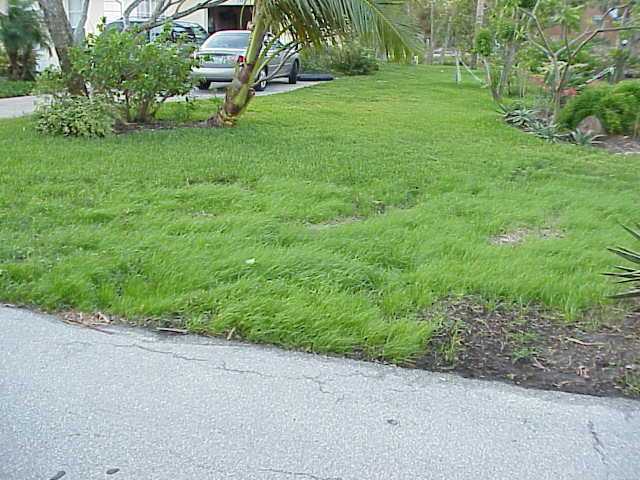
Ryegrass in Florida typically lasts about 6 to 8 months, making it a popular choice for winter lawns and overseeding. Its lifespan depends on factors like climate, maintenance, and variety. If properly cared for, it can provide lush green coverage for most of the cooler months.
In short, ryegrass in Florida usually endures for around half a year, thriving during the cooler season before gradually fading with the warmer weather. With the right care, you can enjoy a vibrant lawn from fall through early spring—just keep an eye on seasonal changes and maintenance routines to maximize its longevity.
Ryegrass is a favorite for Floridians looking to keep their lawns green during the cooler months, but knowing how long it lasts can help you plan better for your turf needs. This grass type is prized for its quick germination and lush appearance, but since Florida’s climate is subtropical, ryegrass tends to be a seasonal visitor rather than a year-round fixture. Understanding its lifespan, care requirements, and what influences its durability can ensure you make the most of its benefits and plan for the transition to warm-weather grasses when summer arrives. Whether you’re overseeding or establishing a new lawn, timing and maintenance are key to keeping your ryegrass looking its best for as long as possible.

How Long Does Ryegrass Last in Florida?
Understanding Ryegrass and Its Popularity in Florida
Ryegrass is a quick-growing grass that is often used for lawns, sports fields, and overseeding warm-season grasses in Florida. It is favored because it greens up early in the fall and provides a lush look. However, its lifespan in Florida depends on several factors like climate, type of ryegrass, and maintenance practices.
Types of Ryegrass Commonly Used in Florida
There are two main types of ryegrass that thrive in Florida’s climate:
- Perennial Ryegrass: Known for its durability and ability to stay green year-round in warmer areas. It lasts longer than annual types when properly maintained.
- Annual Ryegrass: Grows quickly but is typically used for temporary cover in the winter months. It usually lasts for about 3 to 4 months before dying off.
Knowing which type you have helps determine how long ryegrass will last in your Florida yard.
Factors Affecting Ryegrass Lifespan in Florida
Several elements influence how long ryegrass stays healthy and vibrant in Florida’s environment:
Climate Conditions
Florida’s warm temperatures and high humidity can impact ryegrass longevity. Perennial ryegrass thrives in cooler seasons but may struggle during hot summers. Annual ryegrass tends to perform well in mild winters but will die off once temperatures rise.
Soil Quality and Preparation
Proper soil preparation improves ryegrass lifespan. Well-drained, fertile soils with adequate nutrients help the grass grow strong and resist pests and diseases.
Watering Practices
Consistent watering is essential, especially during dry spells. Overwatering can lead to fungal diseases, whereas underwatering causes drought stress, both shortening grass lifespan.
Fertilization Schedule
Regular fertilization provides the nutrients ryegrass needs to stay healthy. Balanced fertilizers with nitrogen promote vigorous growth, extending its lifespan.
Pest and Disease Control
Monitoring and managing pests like chinch bugs and diseases such as rust or leaf spot helps keep ryegrass alive longer. Prompt treatment prevents serious damage.
Expected Durability of Ryegrass in Florida
Based on typical conditions and maintenance, ryegrass in Florida usually lasts:
- Perennial Ryegrass: Approximately 1 to 2 years if properly cared for, with some lawns lasting longer in cooler regions.
- Annual Ryegrass: Usually lasts about 3 to 4 months, making it ideal for winter overseeding but not for long-term ground cover.
The lifespan can be extended with good lawn care, but the natural climate limitations in Florida often mean annual ryegrass must be reseeded yearly.
Seasonal Considerations and Ryegrass Lifespan
Florida’s seasonal changes greatly influence ryegrass longevity. In cooler months, the grass stays greener longer, sometimes up to six months, especially with proper overseeding. During summer, high temperatures cause rapid deterioration, and the grass often dies off naturally.
Strategies to Increase Ryegrass Longevity
To get the most life from ryegrass in Florida, consider the following practices:
- Overseed before the cooler months for a quick green look.
- Maintain a regular fertilization schedule, focusing on nitrogen-rich fertilizers.
- Ensure proper soil drainage to prevent fungal infections.
- Adjust watering based on weather conditions, avoiding both overwatering and underwatering.
- Monitor pests and diseases proactively to prevent damage.
Following these strategies can extend ryegrass lifespan by several months and improve overall lawn health.
Comparing Ryegrass with Other Florida Lawn Grasses
While ryegrass offers quick greenery, here’s how it compares to other common grasses in Florida:
| Grass Type | Typical Lifespan | Best Uses | Climate Compatibility |
|---|---|---|---|
| Ryegrass | 1 to 2 years for perennial; 3 to 4 months for annual | Overseeding, winter cover | Cooler seasons, adaptable with care |
| Bermuda Grass | Multiple years | Main lawn grass | Warm-season, very heat tolerant |
| Zoysia | Many years | Beautiful, durable lawns | Warm climate, drought tolerant |
Understanding these differences helps homeowners select the right grass for their needs and climate.
Maintenance Tips for Extending Ryegrass Life
Proper lawn care can significantly improve ryegrass longevity. Here are some practical tips:
- Keep the grass at a height of 2 to 3 inches for optimal health.
- Mulch and aerate the soil annually to improve root development.
- Apply fungicides if fungal diseases appear.
- Control weeds that compete with ryegrass for nutrients and water.
- Reseed any bare patches promptly to prevent thinning of the grass.
Consistency in maintenance efforts results in a more vibrant and longer-lasting lawn.
When to Reseed or Replace Ryegrass in Florida
Knowing when to reseed or replace your ryegrass depends on its condition. If it becomes patchy, thin, or heavily diseased after the typical lifespan, it’s time to reseed. For perennial ryegrass, reseeding every 1 to 2 years keeps the lawn lush and full.
In some cases, replacing ryegrass entirely with a different grass type better suited to Florida’s climate may be beneficial. Consult with local lawn care experts to choose the best options for long-term success.
Related Topics
Exploring additional topics can help improve your lawn’s health and longevity:
- Overseeding Techniques in Florida: How to overseed effectively for year-round greenery.
- Best Fertilizers for Ryegrass Coast: Choosing the right nutrients for optimal growth.
- Controlling Lawn Pests in Florida: Protecting your grass from common pests and diseases.
- Soil Testing and Improvement: Enhancing soil quality to support healthy ryegrass growth.
These topics offer avenues for further enhancing your lawn’s beauty and lifespan.
Summary of Ryegrass Lifespan in Florida
In sum, the lifespan of ryegrass in Florida varies depending on the type and environmental conditions. Perennial ryegrass can last up to two years with proper care, while annual ryegrass is typically a short-term solution for winter coverage. Proper maintenance, seasonal adjustments, and soil management are crucial for maximizing the longevity of ryegrass in Florida’s unique climate.
Maintaining a healthy lawn requires patience and regular attention, but with the right strategies, you can enjoy a lush, green yard that looks great throughout the year.
Perennial Ryegrass Pros and Cons
Frequently Asked Questions
How does Florida climate affect the longevity of ryegrass?
The warm and humid climate in Florida can cause ryegrass to decline more quickly than in cooler regions. High temperatures and moisture levels promote disease and pest issues, limiting how long the grass remains healthy. Proper maintenance and choosing the right ryegrass variety suited for Florida’s climate can help extend its lifespan.
What seasonal factors influence how long ryegrass stays healthy in Florida?
During the cooler months, ryegrass tends to thrive and remains lush for several months. However, in the hot summer months, heat stress and drought conditions can cause the grass to deteriorate faster. Regular watering, fertilizing, and mowing can help sustain its health longer through various seasons.
How often should I overseed or reseed to maintain a continuous ryegrass cover in Florida?
To maintain a consistent ryegrass cover, overseeding is recommended every fall or early winter. This process ensures new grass takes root before the old grass begins to decline due to temperature changes. Reseeding annually helps keep the lawn dense and healthy throughout the cooler months.
Can soil conditions in Florida extend or shorten the lifespan of ryegrass?
Soil quality plays a significant role in how long ryegrass persists. Well-drained, fertile soils with proper pH levels support healthier grass that lasts longer. Poor soil conditions may lead to nutrient deficiencies and disease, causing the grass to die back sooner. Regular soil testing and amendments can improve ryegrass longevity.
What maintenance practices can increase the lifespan of ryegrass in Florida?
Implementing proper watering schedules, mowing at recommended heights, aerating the soil, and applying appropriate fertilization all help extend ryegrass life. These practices reduce stress on the grass and promote vigorous growth, allowing it to stay healthy longer in Florida’s environment.
Final Thoughts
Ryegrass typically lasts in Florida for about 6 to 9 months, depending on the climate and maintenance. Proper watering and fertilizing can extend its lifespan.
Warm temperatures and high humidity may shorten its longevity, requiring reseeding each year. Regular care helps maintain a healthy, green lawn.
In conclusion, how long does ryegrass last in Florida? It generally lasts through one growing season, but proper upkeep can maximize its lifespan.