To overseed with Kentucky bluegrass successfully, start by thoroughly preparing your lawn, then seed at the right time, and keep the soil moist until the new grass establishes. This quick approach can rejuvenate your lawn with lush, deep-green turf that thrives in many climates.
Overseeing with Kentucky bluegrass involves prepping your lawn properly, choosing quality seed, and maintaining optimal conditions for germination. Doing so ensures a dense, healthy lawn that looks vibrant and feels soft underfoot.
If you want a lush, resilient lawn, overseeding with Kentucky bluegrass is your best bet. It’s a straightforward process that involves clearing debris, aerating the soil, spreading the seed evenly, and watering diligently. With the right timing and care, you’ll see your lawn transform into a beautiful, thick carpet of bluegrass in no time.
Starting with a healthy, clean lawn is key; first, mow short and remove thatch and debris. Aerate the soil to improve seed-to-soil contact, then spread the Kentucky bluegrass seed evenly. Keep the area consistently moist until the new grass is well-established. Choosing the right time—early fall or spring—and providing proper watering and fertilization will give your overseeding project the best chance to succeed, resulting in a vibrant, dense lawn you’ll love.

How to Overseed with Kentucky Bluegrass
Understanding the Benefits of Kentucky Bluegrass Overseeding
Overseeding with Kentucky Bluegrass helps keep your lawn lush, green, and thick. It fills in bare spots and improves grass density, making your yard more resistant to weeds and drought. This grass type also adapts well to foot traffic and recovers quickly from damage.
Timing Is Key for Overseeding
The best time to overseed with Kentucky Bluegrass is during early fall or spring. During fall, the cooler weather encourages seed germination while giving roots time to develop before winter. Spring overseeding is also effective as it allows grass to establish before the heat of summer.
Choosing the Right Season
- Fall (September to October): Ideal for cooler regions and when soil temperatures are between 50-65°F.
- Spring (March to April): Suitable if fall planting was missed, but wait until soil warms up.
Preparing Your Lawn for Overseeding
Preparation is crucial for successful overseeding. Start by mowing your existing grass to about one-half inch to create space for new seeds. Remove any debris, such as leaves and sticks, to improve seed contact with the soil.
Raking and Dethatching
Use a rake or dethatcher to loosen the top layer of soil and remove thatch buildup. This helps the seed make direct contact with the soil, promoting better germination.
Addressing Soil Compaction
Lightly aerate the lawn with a spike or plug aerator. Aeration creates small holes that allow nutrients, water, and air to reach the roots more effectively. This step is especially important on compacted soils.
Selecting the Right Kentucky Bluegrass Seeds
Choose high-quality, disease-resistant Kentucky Bluegrass seed suited to your climate. Look for seed mixes labeled for overseeding and drought tolerance for the best results.
Seed Mixtures and Blends
Consider mixes that combine Kentucky Bluegrass with other cool-season grasses like perennial ryegrass or fine fescues. These blends can improve overall lawn resilience and color.
Seed Quality and Certification
Always select certified seeds to ensure purity and germination rates above 85%. Certified seeds reduce the risk of introducing weeds or undesirable grasses.
Seeding Techniques for Optimal Germination
Spread the seed evenly across your prepared lawn. Use a broadcast spreader for large areas or a seed rake for small patches to ensure uniform coverage.
Seeding Rate Recommendations
For overseeding, use approximately 2 to 3 pounds of Kentucky Bluegrass seed per 1,000 square feet. Avoid over-seeding, which can cause crowding and poor development.
Mixing Seeds With Mulch or Topsoil
Lightly mix seeds with a thin layer of compost, topsoil, or straw. This helps retain moisture and protects seeds from birds and wind.
Watering and Care After Overseeding
Consistent watering is key to successful seed germination. Keep the soil moist but not waterlogged by watering lightly multiple times daily during the first two weeks.
Establishing the New Lawn
Once seeds sprout, gradually reduce watering frequency but increase the depth of each watering session. Aim for about 1 inch of water per week.
Fertilization Tips
Apply a balanced starter fertilizer that is high in phosphorus to encourage root growth. Avoid heavy fertilization immediately after seeding to prevent burning young seedlings.
Controlling Weeds and Maintenance During Establishment
Keep weeds at bay by hand-pulling or spot-treating with selective herbicides. Mow your lawn regularly, but avoid cutting more than one-third of the grass height at a time.
Dealing With Common Challenges
Watch out for pests, diseases, and uneven germination. Maintain proper watering and fertilizing routines, and aerate periodically if needed to promote healthy growth.
Long-Term Lawn Care for Kentucky Bluegrass
Once established, Kentucky Bluegrass requires regular mowing, watering, and fertilization to stay healthy. Aerating annually helps maintain soil health and prevents compaction.
Adjusting Maintenance Based on Season
In summer, water deeply and infrequently to encourage deep roots. During winter, minimize traffic and keep the lawn free of debris to prevent damage.
Additional Tips for Successful Overseeding
- Mix seed with a carrier like sawdust or peat moss for even spreading.
- Avoid overseeding during extreme heat or drought conditions.
- Consistently monitor soil moisture and adjust watering accordingly.
Related Topics
How to Repair a Lawn Patch
Follow similar preparation steps, ensuring good seed-to-soil contact for patches of damaged grass.
Best Fertilizers for Kentucky Bluegrass
Use a fertilizer formulated for cool-season grasses, typically high in nitrogen during growing seasons.
Overseeding with Other Grass Types
Consider overseeding with fine fescues or perennial ryegrass to complement Kentucky Bluegrass and improve drought tolerance.
Overseeding with Kentucky Bluegrass is an effective way to rejuvenate and strengthen your lawn. Proper preparation, seed selection, and care will ensure your grass grows thick, green, and healthy, providing a beautiful outdoor space for years to come.
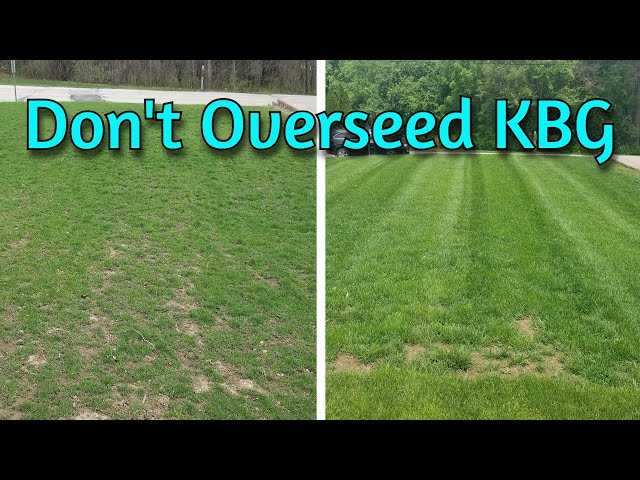
Quick Tip: Don't Overseed Your Kentucky Bluegrass
Frequently Asked Questions
What is the best time of year to overseed with Kentucky bluegrass?
The ideal period to overseed with Kentucky bluegrass is during early fall or late spring. During these times, temperatures are moderate, which promotes seed germination and healthy growth. Avoid overseeding in the extreme heat of summer or during cold winter months, as these conditions can hinder seed establishment.
How should I prepare my lawn before overseeding with Kentucky bluegrass?
Start by mowing your existing grass to about half its usual height to make room for new seeds. Remove any debris, thatch, or dead grass to ensure good seed-to-soil contact. Aerate the soil if it’s compacted, as this allows better penetration of water and nutrients. Finally, loosen the topsoil slightly to create a suitable environment for Kentucky bluegrass seeds to establish.
What seeding methods work best for overseeding with Kentucky bluegrass?
You can broadcast the seeds manually or use a seed spreader for more even distribution. After spreading, lightly rake the soil to help seeds contact the ground directly. For consistent results, consider overseeding after aeration, as this ensures better seed placement and improves germination rates.
How should I water my lawn after overseeding Kentucky bluegrass?
Keep the soil consistently moist by watering lightly several times a day, especially during the first two weeks. This prevents the seeds from drying out and encourages sprouting. Once the grass begins to grow, gradually reduce the frequency but increase the depth of watering to promote deep root development.
What maintenance practices should I follow post-overseeding to ensure successful establishment?
Avoid mowing your lawn until the new grass reaches roughly 3 inches in height. When you do mow, set your mower to a higher setting to prevent damaging the young grass. Fertilize with a balanced, slow-release fertilizer after the grass has established, and continue regular watering to support healthy growth.
Final Thoughts
To overseed with Kentucky bluegrass successfully, begin by preparing your lawn. Mow the existing grass short and rake away debris to create a clean surface. Choose high-quality seed and spread it evenly across the area.
Maintain proper soil contact by lightly raking the seed into the soil, then water thoroughly. Keep the soil moist consistently to promote germination and healthy growth. Regular watering and proper care will ensure a lush, healthy lawn.
In conclusion, how to overseed with Kentucky bluegrass involves proper preparation, even seed spreading, and consistent watering. Following these steps leads to a vibrant, dense lawn that thrives over time.