The best time to plant Kentucky bluegrass is during early fall or spring when temperatures are moderate and the soil is warm but not too hot. Planting at these times gives the grass the ideal conditions to establish a strong root system before the extreme heat or cold sets in.
In short, you should plant Kentucky bluegrass in early fall or spring for optimal growth. These seasons provide the right balance of sunlight, moisture, and temperature, ensuring your lawn becomes lush and healthy.
If you’re wondering when to start your Kentucky bluegrass project, timing is everything. Choosing the right season makes all the difference in how well your grass will grow and thrive. The best planting windows are typically in early fall or spring when the weather is just right—cool enough to prevent stress but warm enough to encourage quick rooting. Planting during these periods allows your grass to establish itself before facing the harsher conditions of summer or winter, giving you a vibrant, resilient lawn all year round.

When Should I Plant Kentucky Bluegrass?
Understanding Kentucky Bluegrass Growth Cycles
Kentucky bluegrass is a popular choice for lawns because of its lush, dense appearance. It tends to thrive in specific seasons when soil and weather conditions support healthy growth. Knowing its growth cycle helps you choose the right planting time for a vibrant, green lawn.
This grass type is cool-season, meaning it grows best during cooler months of the year. It enters active growth periods in early spring and late fall. During the hot summer months, it often goes dormant, turning brown but remaining alive underground. Therefore, timing your planting is essential for establishing a healthy lawn.
The Ideal Time Frame for Planting Kentucky Bluegrass
Planting Kentucky bluegrass at the right time ensures strong germination. The best period for planting is during early spring or early fall. These seasons offer cooler temperatures and sufficient moisture, which are ideal for seed establishment.
Spring planting should happen after the last frost date, typically between March and April, depending on your region. Fall planting is best from late August to early October. Planting during these periods allows the grass to develop roots before extreme weather conditions arrive.
Spring Planting
Spring provides longer daylight hours and moderate temperatures that support seed germination. As the soil warms, Kentucky bluegrass seeds sprout quickly, leading to faster establishment.
Make sure the soil is moist but not waterlogged. Adequate rain during spring naturally helps the grass develop. Early planting in spring helps the grass establish roots before the heat of summer.
Fall Planting
Fall planting benefits from cooler soil temperatures and increased rainfall. It allows the grass to root deeply before winter dormancy. Planning to plant in late summer or early fall gives the grass enough time to grow before the first frost.
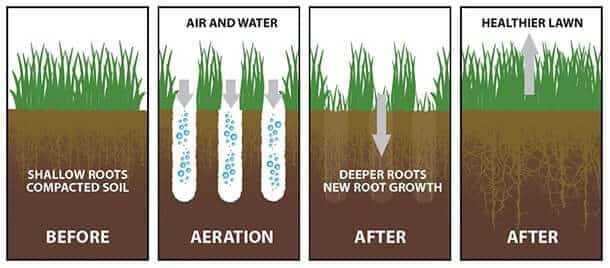
Prepare the soil by aerating and fertilizing to promote healthy growth. Water regularly to keep the soil moist, ensuring good seed-to-soil contact for germination.
Factors That Influence the Best Planting Time
Multiple factors can influence the optimal planting period for Kentucky bluegrass. These include climate, soil temperature, and local weather patterns.
Climate Considerations
Regions with cooler climates, like the northern United States, are more suitable for spring and fall planting. Warmer climates require timing adjustments to avoid planting during the hottest months.
Avoid planting during extreme heat or drought conditions, as these can hinder seed germination and seedling survival. Check your USDA hardiness zone to determine the best planting window for your area.
Soil Temperature
Ideal soil temperatures for Kentucky bluegrass germination range from 50°F to 65°F. Temperatures above or below this range can slow down or prevent seed sprouting.
Use a soil thermometer to monitor conditions before planting. If soil is too cold or too hot, wait until temperatures stabilize within the optimal range.
Weather Patterns and Rainfall
Consistent moisture is essential for germination and establishment. Dry or excessively hot weather can cause seeds to fail.
Plan your planting date around forecasted rainfalls or consider irrigating to keep soil moist. Avoid planting during droughts or periods of extreme heat.
Preparing Your Lawn for Planting
Proper preparation maximizes seed-to-soil contact and promotes quick germination.
- Clear debris, weeds, and old grass from the area.
- Loosen compacted soil with aeration or tilling.
- Test soil pH and amend if necessary, ideally between 6.0 and 7.0.
- Apply a starter fertilizer rich in phosphorus to support root growth.
Having a clean, well-prepared seedbed leads to better germination rates and stronger grass.
How to Plant Kentucky Bluegrass for Best Results
To ensure successful planting, follow proper seed spreading and after-care routines.
Seeding Techniques
Spread seeds evenly using a broadcast spreader or by hand for small areas. Aim for a seeding rate of approximately 1 to 2 pounds per 1000 square feet.
Lightly rake the soil after spreading to cover seeds with a thin layer of soil. This improves seed-to-soil contact and protects against birds.
Watering and Maintenance
Water the newly seeded area gently but thoroughly immediately after planting. Keep the soil consistently moist until the grass is well-established.
Frequency of watering should be 2 to 3 times daily initially. Once the grass reaches about 2 inches in height, reduce frequency but increase watering depth.
Monitoring and Adjustments During the Growing Season
Keep an eye on the lawn’s progress and adjust watering, mowing, and fertilizing accordingly.
Regularly check for signs of stress, weed competition, or pests. Proper maintenance during the first few months ensures the lawn develops a dense, healthy turf.
Common Mistakes and How to Avoid Them
Avoid planting during extreme weather conditions, which can lead to poor germination. Skipping soil preparation or watering mistakes may cause patchy growth.
Also, refrain from over-seeding or overseeding, which can lead to competition among seedlings and weak roots. Proper timing combined with good lawn care results in a lush, green Kentucky bluegrass lawn.
Summary of Planting Timelines for Different Regions
| Region | Best Planting Window | Additional Tips |
|———————————-|—————————————-|———————————————————|
| Northern United States | March to April, September to October| Focus on soil temperature and rainfall patterns |
| Southern United States | February to March, September to October| Avoid peak summer heat when planting |
| Coastal regions | Spring or fall, depending on climate | Monitor moisture and soil conditions |
Remember, local climate and weather can shift ideal planting times. Always check with local extension offices for region-specific guidance.
Related Topics to Consider
- Choosing the best Kentucky bluegrass varieties for your climate
- Soil testing and amendments for optimum growth
- Watering tips during the establishment phase
- Mowing height and frequency for Kentucky bluegrass
- Dealing with common pests and weeds
Understanding when to plant Kentucky bluegrass helps you establish a beautiful lawn. Timing your planting with seasons and environmental conditions ensures healthy growth and vibrant greenery year-round. Proper preparation, adherence to optimal planting windows, and ongoing care are key to a successful Kentucky bluegrass lawn.
Kentucky Bluegrass Pros and Cons
Frequently Asked Questions
What season is best for planting Kentucky bluegrass?
The optimal time to plant Kentucky bluegrass is during the late summer to early fall. This period typically offers cooler temperatures and increased rainfall, which help the grass establish strong roots before winter. Planting during this timeframe reduces stress on the grass and enhances its chances of successful growth.
Can Kentucky bluegrass be planted in early spring?
Yes, early spring can be suitable for planting Kentucky bluegrass, especially in regions with mild winters. As soon as the soil warms up and there’s enough moisture, you can prepare the lawn and sow the seeds. This allows the grass to establish before the heat of summer, leading to a healthier, fuller lawn.
Is late fall a good time to overseed Kentucky bluegrass?
Late fall is an effective time for overseeding existing Kentucky bluegrass lawns. Cooler temperatures help the new seeds to germinate slowly and develop strong roots without the stress of high summer heat. Just ensure the soil remains moist and the grass area is not covered with debris for successful germination.
Should I avoid planting Kentucky bluegrass during hot summer months?
Planting Kentucky bluegrass during hot summer months is generally not recommended because high temperatures can inhibit seed germination and cause stress to young seedlings. Focus on planting during cooler periods to give the grass a better chance to establish healthily.
How does soil temperature influence the timing for planting Kentucky bluegrass?
Soil temperature plays a key role in determining the right planting period. Ideally, soil temperatures should be between 50°F to 65°F (10°C to 18°C). At this range, seeds germinate efficiently and roots develop quickly. Monitoring soil temperature can help you choose the most suitable time for planting.
Final Thoughts
When should I plant Kentucky bluegrass depends on your local climate. Ideally, plant in early fall or spring when soil temperatures are between 50-65°F. This allows the grass to establish before extreme weather occurs.
Planting at the right time ensures healthy growth and a lush lawn. For optimal results, plan your planting around these seasonal windows.
In conclusion, the best time to plant Kentucky bluegrass is during early fall or spring. When should I plant Kentucky bluegrass? During these periods, soil conditions are ideal for root development and turf establishment.