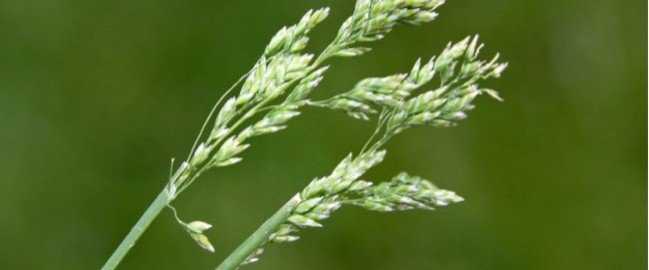
Kentucky bluegrass typically forms seedheads in late spring to early summer, adding a distinctive flair to your lush lawn. Knowing when these seedheads appear can help you manage your yard’s appearance and care routine effectively.
In short, Kentucky bluegrass produces seedheads usually between late May and July, depending on climate and growing conditions. Recognizing the timing allows you to plan mowing and maintenance better to keep your lawn healthy and attractive.
If you’ve ever wondered when Kentucky bluegrass will go to seed, the answer hinges on factors like temperature, daylight, and overall growth. Generally, seedheads develop during the peak growing season in late spring or early summer when the grass is actively growing and reaching maturity. This period is essential for the grass to reproduce naturally, which is why you notice seedheads emerging during these months. Keeping an eye on your lawn’s growth patterns and understanding this timing can help you manage your Kentucky bluegrass more effectively and enjoy a vibrant, well-maintained yard.

When Does Kentucky Bluegrass Forms Seedheads?
Understanding the timing of seedhead formation in Kentucky Bluegrass is essential for maintaining a healthy and lush lawn. Knowing when seedheads appear can help you manage mowing schedules and promote optimal growth. This section explains the general timeline and factors influencing seedhead development.
Typical Time Frame for Seedhead Formation
Most Kentucky Bluegrass varieties form seedheads during late spring to early summer. Specifically, seedheads often appear between May and July, depending on the climate. In cooler regions, seedheads may develop slightly later, around June or July.
The exact timing varies based on geographic location, local climate conditions, and the specific cultivar of Kentucky Bluegrass. Observing your lawn over time can help you predict when seedheads are likely to emerge each year.
Factors That Influence Seedhead Development
Temperature
Warm temperatures are a primary trigger for seedhead formation. Kentucky Bluegrass typically begins to produce seedheads when daytime temperatures range between 65°F to 75°F (18°C to 24°C). Excessively hot weather can delay or suppress seedhead development.
Day Length
Longer daylight hours signal the plant to enter the reproductive phase, prompting seedhead formation. As days lengthen in late spring and early summer, seedheads are more likely to develop.
Growth Stage and Maturity
Seedheads usually appear when the grass reaches a specific maturity level. Young, actively growing grass may not produce seedheads until it is well-established and mature enough to reproduce.
Water and Soil Conditions
Consistent moisture and optimal soil nutrients encourage healthy growth, which can lead to earlier seedhead formation. Drought stress or poor soil can inhibit seedhead development or cause irregular growth patterns.
Seasonal Variations and Regional Differences
In northern climates, seedhead emergence tends to occur later in the season, often in June or July. In warmer southern regions, seedheads may form as early as late spring. The length of the growing season and climate influence these variations.
It’s also common for seedheads to appear sporadically if weather conditions fluctuate, especially during transitional seasons like spring and fall.
Significance of Seedhead Formation in Kentucky Bluegrass
Seedhead formation is a natural part of the grass’s reproductive cycle. It indicates that the grass is reaching maturity and is ready for seed dispersal. While this process is vital for lawn renewal, it can also impact the grass’s appearance and health.
Effects on Lawn Aesthetics
Seedheads can make the lawn look less uniform and sometimes appear less lush. In aesthetics-focused lawns, seedhead formation might be undesirable, leading homeowners to manage or reduce seedhead development.
Impact on Lawn Density and Health
Producing seedheads diverts energy from leaf and root growth. As a result, the grass can become thinner if seedheads are allowed to grow unchecked. Proper lawn care can help balance seedhead production with overall health.
Controlling Seedhead Formation
While seedhead formation is a natural process, homeowners and turf managers can take steps to control or delay it. Proper mowing practices, fertilization, and watering are key strategies to manage seedhead development effectively.
How to Recognize When Kentucky Bluegrass is Forming Seedheads
Early identification of seedheads allows for better lawn management. Recognizing specific features can help determine the stage of seedhead development and plan appropriate actions.
Visual Indicators of Seedhead Formation
- Spear-Shaped Structures: Seedheads appear as upright, narrow, spear-shaped structures protruding from the grass blades.
- Flowering: Small, star-shaped flowers are visible at the top of seedheads, usually a pale color like gray or tan.
- Texture Change: The seedheads are often stiffer and more brittle compared to grass blades.
Timing and Observation Tips
- Check lawns regularly during late spring and early summer.
- Look for the emergence of seed stalks among the grass blades.
- Compare the growth stage of surrounding grass plants to gauge seedhead development.
Managing Seedheads for a Healthy Lawn
Controlling seedhead formation involves various maintenance practices that support the overall health and appearance of the lawn. Here are some effective strategies:
Proper Mowing Techniques
Adjust mowing height to prevent seedheads from becoming overly prominent. Cutting grass slightly higher during the seedhead emergence phase can help reduce seedhead production.
Timing of Mowing
Regular mowing before seedheads fully form can diminish seed dispersal and encourage denser foliage. Avoid cutting too short, which stresses the grass, but aim to mow at the recommended height for Kentucky Bluegrass—around 2.5 to 3 inches.
Optimal Fertilization and Watering
Providing balanced fertilization promotes vigorous growth, which can suppress seedhead development. Adequate watering ensures the grass remains healthy and less stressed, reducing unwanted seedhead production.
Using Growth Regulators
In some cases, applying plant growth regulators specifically designed for turf grasses can delay seedhead formation. Consult with lawn care professionals before using these products to ensure safety and effectiveness.
Additional Tips for Maintaining Kentucky Bluegrass
Consistent Lawn Care Practices
- Maintain regular mowing schedules.
- Apply fertilizers seasonally for balanced growth.
- Water deeply and infrequently to promote strong roots.
Monitoring and Adjusting Practices
Observe how your lawn responds to care routines and adjust as necessary. Changes in weather or soil conditions may require modifications to your lawn management approach.
Seasonal Lawn Care Considerations
Prep your lawn in early spring for healthy growth and minimize seedhead formation in the first cycle. Fall overseeding can also improve lawn density and reduce seedhead proliferation.
By understanding when Kentucky Bluegrass forms seedheads and applying proper management techniques, you can enjoy a more vibrant, healthy lawn. Recognizing the signs and timing of seedhead development helps you make informed decisions to keep your grass looking its best throughout the growing season.
I seeded 100% Kentucky Bluegrass and got what I deserved
Frequently Asked Questions
At what time of year does Kentucky bluegrass typically produce seedheads?
Kentucky bluegrass usually produces seedheads during late spring to early summer, around May to June, depending on climatic conditions. These seedheads emerge as the grass transitions from its vegetative growth phase into reproduction, often coinciding with optimal growing temperatures and longer daylight hours.
How does the length of daylight influence seedhead formation in Kentucky bluegrass?
Longer daylight periods in late spring and early summer signal Kentucky bluegrass to initiate seedhead production. Increased sunlight triggers hormonal changes that prompt the grass to shift from root and leaf growth into flowering and seed development, making daylight length a key environmental factor for seedhead formation.
Does the fertilizer regimen affect when Kentucky bluegrass forms seedheads?
Yes, applying high nitrogen fertilizers during the growing season can accelerate seedhead development in Kentucky bluegrass. Proper fertilization promotes vigorous growth, which can lead to earlier seedhead emergence. Conversely, reducing nitrogen late in the season can help delay seedhead formation and maintain turf quality.
Can environmental stress influence the timing of seedhead formation in Kentucky bluegrass?
Environmental stresses such as drought, heat, or grazing can impact seedhead development. Stress conditions may cause Kentucky bluegrass to produce seedheads earlier as a survival mechanism or delay their formation due to weakened growth. Maintaining optimal moisture and management practices helps regulate the timing of seedhead emergence.
How does the maturity of Kentucky bluegrass affect its seedhead formation?
Seedhead formation typically begins when Kentucky bluegrass reaches a certain age or maturity level, often around its third or fourth year of growth. Younger turf may not produce seedheads consistently, whereas mature stands are more likely to initiate seed production, especially during favorable conditions in late spring or early summer.
Final Thoughts
Kentucky bluegrass typically forms seedheads in late spring to early summer. The exact timing depends on growing conditions and climate.
When does kentucky bluegrass forms seedheads? Usually, this occurs around May or June. Regular mowing can delay seedhead formation, maintaining a lush lawn.
In summary, understanding when kentucky bluegrass forms seedheads helps manage lawn appearance. Keep an eye out in late spring or early summer for seedhead development to ensure a healthy, beautiful turf.