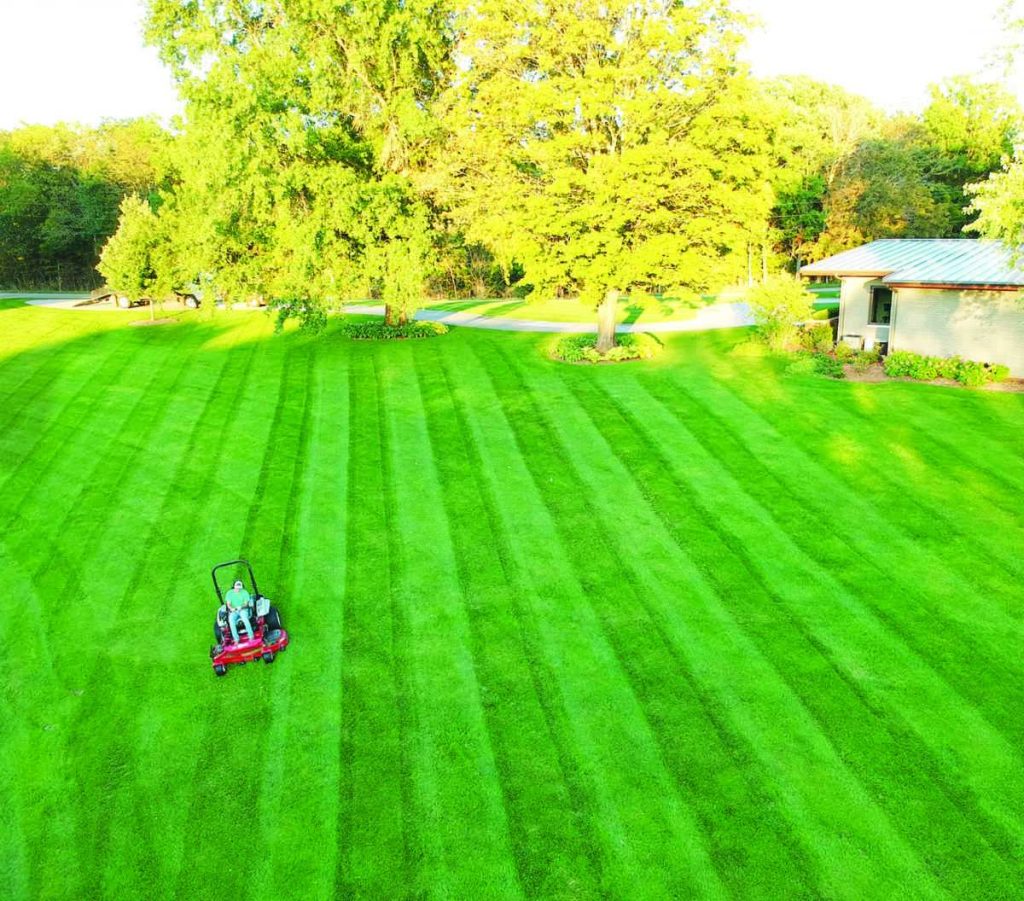
Want perfectly trimmed grass that looks like it was done by a professional? The secret lies in the right technique, equipment, and timing. Mowing your lawn like a pro doesn’t require expensive tools or hours of effort — just a few simple tips and consistency. Make sure your mower blades are sharp, set the correct cutting height, and follow a pattern to avoid patchy results. Also, mow when the grass is dry and regularly clear clippings to keep your lawn healthy and neat. With these easy steps, you’ll transform your yard into a lush, beautifully manicured space in no time.
To mow your lawn like a pro, focus on maintaining sharp blades, setting the right cutting height, and mowing in orderly patterns. Regularly clear grass clippings and mow at the right time for a healthy, even finish. Consistency and attention to detail are key to achieving professional-looking results on your own.
Achieving a professionally manicured lawn starts with understanding your grass type, using sharp blades, and following a consistent mowing pattern. Properly timing your mowing sessions and adjusting the mower height will ensure your lawn stays healthy, lush, and aesthetically pleasing. Think of mowing not just as maintenance but as an art form that transforms your yard into a beautiful outdoor retreat.

How to Mow Your Lawn Like a Pro
Understanding the Importance of Proper Mowing Technique
Mowing your lawn correctly is essential for maintaining a healthy, lush yard. It helps prevent pests and diseases while promoting even grass growth. When you mow like a pro, your lawn looks neat and stays healthier longer.
Choosing the Right Mower for Your Lawn
Selecting the proper mower depends on your lawn size and terrain. For small yards, a reel mower or electric mower works well. Larger lawns benefit from riding mowers or self-propelled models that make the job easier.
Types of Mowers
- Reel Mowers: Ideal for small, flat lawns. They cut grass with a scissor-like motion for a clean finish.
- Electric Mowers: Eco-friendly and lightweight. Suitable for medium-sized areas with even terrain.
- Gas-Powered Mowers: Powerful and durable, perfect for larger or uneven lawns.
- Riding Mowers: Best for big yards. They cover large areas quickly and with minimal effort.
Preparing Your Lawn Before Mowing
Before you start mowing, walk around your yard and clear away sticks, stones, and toys that might harm your mower or scatter around. Check the grass for uneven patches and mark them if needed. Make sure your mower blades are sharp for a clean cut, which helps keep your grass healthy.
Setting the Right Cutting Height
Adjust your mower to the correct height depending on your grass type. If you cut too short, it stresses the grass and invites weeds. For most grasses, leave about 2.5 to 3 inches after mowing. Taller grass shades roots and prevents weeds from taking over.
How to Adjust Your Mower’s Height
Most mowers have a lever or dial to change cutting height. Set it to the recommended level for your grass type, and double-check before starting. Consistently maintaining this height promotes thick, healthy turf.
Best Mowing Patterns for a Professional Look
Changing your mowing pattern each time prevents the grass from developing ruts and encourages upright growth. Use straight, overlapping passes for uniform coverage. For added visual appeal, create diagonal or circular patterns.
Tips for Effective Pattern Turning
– Turn the mower smoothly without jerking.
– Overlap each pass slightly for an even cut.
– Alternate directions weekly to prevent soil compaction.
Techniques for Cutting the Grass Effectively
Use a steady, walking pace to avoid uneven cuts. Don’t rush; slower speeds give a cleaner finish. Make sure you mow in straight lines, and overlap a little on each pass to cover missed spots.
Handling Edges and Difficult Areas
Use a string trimmer or edge tool to tidy up borders and corners. For slopes, mow up and down the slope to avoid slipping. Carefully navigate around flower beds to avoid damaging plants.
Dealing with Grass Clippings
Decide whether to mulch, bag, or leave clippings on the lawn. Mulching grass returns nutrients to the soil, promoting healthy growth. Bagging is best if your grass is particularly long or damp, preventing thatch buildup.
Mulching Tips
– Use a mower with a mulching feature or a dedicated mulching blade.
– Mow regularly to keep clippings short.
– Spread clippings evenly across the yard.
Maintaining Your Mower for Peak Performance
Regular maintenance ensures your mower operates efficiently and lasts longer. Sharpen blades at least once a season or after every few uses, depending on how often you mow. Clean your mower after each use to prevent buildup and rust.
Basic Maintenance Checks
– Check oil and fuel levels.
– Replace or sharpen blades as needed.
– Clean the underside of the deck to remove grass buildup.
– Inspect the cords, wheels, and handles for wear.
Timing Your Mows for Best Lawn Health
Mow frequently enough to remove no more than one-third of the grass height each time. During peak growing seasons, this might mean mowing once a week. In cooler months, cut back to every two weeks or as needed.
Weather Considerations for Mowing
Avoid mowing wet grass, as it clumps and bends easily, leading to uneven cuts. Wait until the grass is dry to prevent damage and ensure a cleaner appearance. Mowing during the cooler parts of the day preserves your mower’s engine and your energy.
Seasonal Tips for Lawn Care
In spring, mow regularly to promote dense growth. Summer mowing should be about maintaining height and removing heat-stressed grass. During fall, mow less frequently but keep blades sharp. Winter may require off-season maintenance and minimal mowing if the grass stays dormant.
Additional Tips for a Lawn That Looks Like a Pro’s
– Avoid mowing during the hottest part of the day to prevent stress on the grass.
– Keep your mower blades sharp to prevent ragged cuts.
– Water your lawn properly after mowing to help recover.
– Fertilize as needed based on your grass type and season.
By following these detailed steps, you can achieve a perfectly mowed lawn that looks professional and stays healthy. Proper technique, equipment, and timing all play a role in creating a yard you’ll be proud of.
How to Mow a Lawn CORRECTLY
Frequently Asked Questions
What is the best pattern to mow your lawn for an even cut?
Use a crisscross or diagonal pattern when mowing your lawn. This technique helps prevent soil compaction and ensures the grass is cut evenly. Changing the direction of your pattern each time you mow prevents the grass from developing a leaning growth habit and promotes a more uniform appearance.
How can I ensure the blades stay sharp for a clean cut?
Regularly sharpen your mower blades, ideally after every 8-10 hours of mowing. Sharp blades cut grass cleanly, reducing ragged edges and minimizing stress to the grass. A sharp blade also improves the overall health and appearance of your lawn.
What is the ideal mowing height for different types of grass?
Adjust your mower to the recommended height based on your grass type. For example, keep Bermuda grass around 1-2 inches, Kentucky bluegrass at 2-3 inches, and fescue between 3-4 inches. Proper mowing height encourages stronger root growth and helps prevent weeds from establishing.
How should I handle mowing on slopes or uneven terrain?
Go slowly and mow parallel to the slope to prevent the mower from tipping. Use a slower speed on uneven terrain to maintain control. If necessary, mow in sections and avoid turning the mower on steep inclines to enhance safety and achieve a consistent cut.
What maintenance steps should I take after mowing to keep my lawn healthy?
After mowing, clear clippings if necessary to prevent buildup. Water your lawn deeply and infrequently to promote deep root growth. Aerate the soil annually and fertilize according to your grass type’s needs. Regular maintenance ensures your lawn remains lush and healthy.
Final Thoughts
Summarizing, to mow your lawn like a pro, focus on setting the right cutting height and using sharp blades for a clean cut. Maintain a steady pace and change your mowing pattern to prevent uneven growth. Properly caring for your equipment and following these tips ensures a healthy, attractive lawn. With consistent effort, you can achieve professional results and enjoy a beautifully manicured yard.