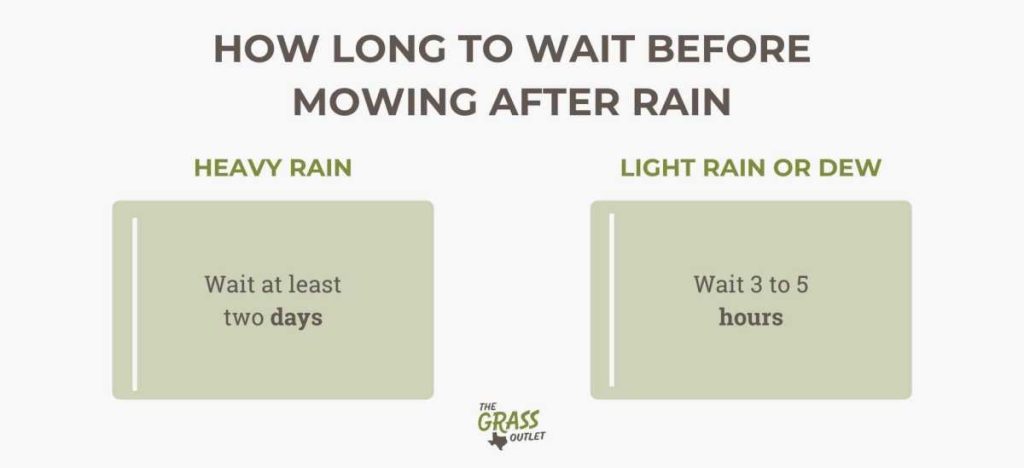
You should wait at least 24 to 48 hours after rain before mowing your lawn to ensure healthy grass and avoid damage. Mowing too soon when the ground is soggy can lead to uneven cutting and compacted soil, which stresses the grass. The key is to wait until the grass is dry enough for a clean cut without tearing or clumping.
In brief, it’s best to wait until the lawn is completely dry, usually between one to two days after heavy rain. This allows the grass to recover from excess moisture and reduces the risk of lawn disease. Patience ensures your mower does a better job and keeps your lawn healthy.
When the skies open up, it can be tempting to grab the mower right away, but rushing out immediately after rain can do more harm than good. Wet grass is fragile, and mowing while it’s still damp can lead to uneven cuts, grass clumping, and soil compaction. Plus, a soggy lawn is a perfect environment for fungi and mold to develop. The ideal window to mow is once the grass is thoroughly dry—usually a day or two after the rain has stopped—giving your lawn the best chance to stay lush and healthy. Keeping an eye on the weather and waiting for dry conditions is a simple step that can make a big difference in the look and longevity of your lawn.

How Long After Rain to Mow Lawn
Understanding the Moisture Levels in Your Lawn
After a heavy rain, your lawn holds a lot of moisture. It’s important to wait until the grass is dry enough before mowing. If you mow when the grass is wet, it can lead to a soggy lawn and damage your mower blades.
Typically, waiting at least 24 hours after rain ensures the grass has dried sufficiently. The exact time depends on weather conditions and your grass type.
Why Timing Matters for Mowing After Rain
Mowing too soon after rain can cause several problems. Wet grass clumps easily, making your lawn look uneven.
It also increases the risk of damaging your mower and spreading diseases like fungi.
Proper timing helps keep your lawn healthy and looking great.
How to Check if Your Lawn Is Ready for Mowing
To see if your lawn is dry enough, do a simple test.
Gently pinch a small patch of grass. If it feels damp or sticky, wait longer before mowing.
If it feels dry and firm, it’s safe to mow.
Waiting Period: How Long Is Recommended?
Most experts recommend waiting at least 24 hours after a rainstorm.
In hot, sunny weather, grass dries faster, sometimes within 12 hours.
However, in cooler or humid conditions, wait up to 48 hours or until the grass is thoroughly dry.
Factors That Influence Drying Time
Several elements affect how quickly your lawn dries out after rain.
- Temperature: Warmer days help the grass dry faster.
- Sunlight: Direct sunlight speeds up evaporation.
- Humidity: High humidity slows drying, requiring more wait time.
- Grass Type: Dense or thick grass holds moisture longer than thin grass.
- Amount of Rain: Heavy, prolonged rain takes longer to dry.
The Risks of Mowing Too Soon
Mowing wet grass can lead to several issues.
The mower may clog with wet grass, causing uneven cuts.
Wet grass blades are more prone to tearing, which damages the grass and makes it vulnerable to disease.
Furthermore, mowing when wet can compact the soil, harming root growth.
How to Mow Safely After Rain
Once your lawn is dry, follow these tips for effective mowing.
Start with a high mower setting to avoid cutting too short.
Gradually lower the blade level as the grass adapts to mowing.
Use sharp blades for clean cuts, reducing stress on the grass.
Best Practices for Post-Rain Mowing
To keep your lawn healthy after rain, consider the following.
Avoid mowing when the grass is still wet.
Always mow in dry conditions to prevent damage.
Use sharp mower blades for cleaner cuts.
Mow regularly to prevent thatch buildup and promote healthy growth.
Additional Tips for Lawn Care After Rain
Besides timing your mowing, other care tips help your lawn recover.
Aerate your soil if it feels compacted—this improves drainage.
Fertilize your lawn cautiously; avoid fertilizing immediately after rain, which can wash away nutrients.
Water your lawn if prolonged dryness occurs, but avoid overwatering.
Remove debris and fallen leaves to prevent disease and pests.
Related Topics to Consider
While focusing on the timing of mowing after rain, keep in mind other important lawn care aspects.
Proper Lawn Aeration
Regular aeration helps improve soil drainage and promotes healthy root growth, especially after heavy rain.
Choosing the Right Mower
Use a mower with adjustable height settings to accommodate different grass conditions.
Adjusting Mowing Frequency
Mow more often during growing seasons but avoid cutting more than one-third of the grass height at a time.
Summary of Key Points
- Wait at least 24 hours after rain before mowing.
- Check for dry grass by touch or visual inspection.
- Consider weather conditions like temperature and humidity.
- Avoid mowing on wet grass to prevent damage and disease.
- Adjust mowing height and use sharp blades for best results.
Additional Data and Recommendations
Research shows that mowing wet grass can lead to increased fungal infections in lawns.
On average, grass takes about 12 to 24 hours to dry in optimal conditions, but this varies based on several factors.
In areas with high humidity or frequent rain, consider scheduling your mow for the day after a rainstorm.
Regularly monitoring weather forecasts can help you plan mowing days efficiently and keep your lawn healthy.
By understanding how long to wait after rain and applying proper lawn care techniques, you ensure your grass remains lush and vibrant.
Timing your mow appropriately prevents damage, encourages healthy growth, and keeps your yard looking its best.
Should You Mow Your Lawn When It Is Wet? #mowing #lawncare
Frequently Asked Questions
Why is it important to wait until the grass is dry before mowing after rain?
Waiting until the grass is dry prevents the mower blade from clogging and reduces the risk of tearing the grass. Wet grass is heavier and more prone to bending or tearing, which can damage the lawn. Ensuring the grass is dry helps achieve a clean cut, promoting healthier growth.
How can I determine if the lawn has dried enough for mowing?
Touch the grass blades with your hand; if they feel damp or slippery, wait longer. Consider the weather conditions and breeze; if it’s sunny and windy, the lawn will dry faster. Typically, waiting 24 to 48 hours after the last rain ensures the grass is sufficiently dry for mowing.
What risks do I face if I mow when the grass is still wet?
Mowing wet grass can cause the mower to slip, which increases the chance of accidents. It also results in an uneven cut and can spread disease by tearing the grass blades, creating entry points for infections. Additionally, wet grass can clog the mower, making the task more difficult and less effective.
Should I adjust my mower if I need to mow soon after rain?
Yes, switch to a higher cutting height to avoid cutting too close to the ground, which can stress the grass. Use a mower with sharp blades to reduce tearing and ensure a cleaner cut. If possible, mow during a sunny part of the day to help the lawn dry faster.
Can I mow the lawn during a light drizzle or when it’s lightly damp?
It’s best to avoid mowing during light rain or when the grass is only slightly damp. Mowing in these conditions can lead to uneven cuts and increase the chance of mower clogging. Wait until the lawn has dried thoroughly for best results and healthier grass growth.
Final Thoughts
After rain, wait at least 24 to 48 hours before mowing your lawn. This allows the grass to dry and reduces the risk of damage or disease. Cutting wet grass can clog your mower and leave uneven cuts.
Always check the moisture level of your grass before mowing. If it still feels damp, give it more time to dry out. Patience ensures a healthier, neater lawn.
In conclusion, how long after rain to mow lawn depends on weather conditions, but generally, wait until the grass is dry. This approach promotes a clean cut and lawn health.