Mow your lawn weekly during the summer for a lush, healthy yard. Regular mowing keeps grass looking neat and prevents it from becoming overgrown or vulnerable to pests. In the heat of summer, it’s best to mow once a week or every 5 to 7 days, adjusting based on grass growth and weather conditions.
For a vibrant summer lawn, you should mow about once a week, but always tailor your frequency to the grass’s growth rate and weather changes. Consistent mowing helps maintain your yard’s health, encourages dense growth, and minimizes weed issues. During hot spells or droughts, you may need to mow less frequently to avoid stressing the grass and to keep it resilient. Ultimately, the key is to keep your grass at an optimal height—usually around 2.5 to 3 inches—so it stays healthy and beautiful all summer long.

How Often to Mow Lawn in Summer
Knowing how often to mow your lawn during the hot summer months is key to keeping it healthy and green. The right mowing schedule depends on several factors like grass type, weather conditions, and lawn usage. In this section, we will explore these aspects in detail to help you maintain a beautiful summer lawn.
Understanding Your Grass Type
Different grass types require different mowing routines. For example, cool-season grasses like Kentucky bluegrass and fescue grow more slowly during summer. Warm-season grasses such as Bermuda or St. Augustine tend to grow faster in hot weather.
It’s important to identify your grass type to set the correct mowing frequency. Generally, warm-season grasses may need mowing more often, sometimes twice a week, while cool-season grasses might only need mowing once every two weeks.
Ideal Mowing Frequency Based on Grass Growth
The growth rate of your grass is a critical factor. During peak summer heat, grass usually grows more slowly because of drought stress or high temperatures. In such cases, mowing every 10 to 14 days might be sufficient.
If your lawn stays lush and the grass keeps growing vigorously, you may need to mow more frequently—once every 5 to 7 days. Regular mowing encourages healthy growth and helps prevent pests and disease build-up.
How Weather Conditions Affect Mowing Schedule
Hot and dry weather can slow down grass growth, reducing how often you should mow. Conversely, rainy and humid conditions boost growth, requiring more frequent mowing.
Always check local weather reports and observe your lawn’s appearance. An overgrown lawn with tall grass indicates it’s time for a mow, while a dull, slow-growing lawn might need less frequent cutting.
Effects of Over-Mowing and Under-Mowing
Risks of Over-Mowing
Cutting the grass too short can stress the plant, making it vulnerable to drought and disease. It also hampers root growth and weakens the overall lawn health.
Risks of Under-Mowing
Leaving grass too tall can promote thatch buildup and create a hiding place for pests. It also makes lawn maintenance more difficult and can lead to uneven growth.
Striking a balance is essential to keep your lawn healthy and tidy throughout summer.
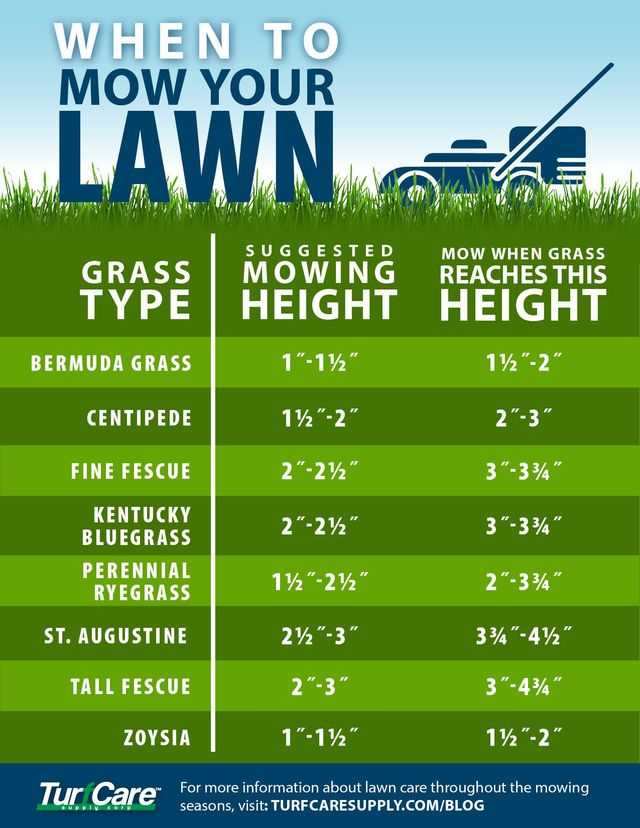
Setting the Perfect Mowing Height for Summer
The appropriate height depends on your grass type. Generally, for warm-season grasses, aim for a mowing height of 1.5 to 2.5 inches. Cool-season grasses typically stay healthy around 2 to 3 inches.
Maintaining the right height encourages deeper roots, better drought resistance, and pest prevention. Avoid cutting more than one-third of the grass height at a time to prevent stress.
Best Practices for Summer Lawn Mowing
- Sharpen mower blades regularly to ensure clean cuts that promote healthy growth.
- Adjust mowing height based on weather conditions and grass growth.
- Follow a consistent schedule that matches your lawn’s needs, even if growth slows during extreme heat.
- Leave grass clippings on the lawn to act as natural mulch and provide nutrients.
Additional Tips for Summer Lawn Maintenance
Watering and Mowing
Water your lawn deeply and infrequently rather than lightly every day. Well-hydrated grass grows better and can handle mowing more efficiently.
Timing of Mowing
Cut your grass during the cooler parts of the day, typically early morning or late afternoon, to reduce stress and evaporation.
Managing Thatch and Lawn Health
Regular dethatching and aeration help keep your lawn healthy, especially during the busy summer months when growth can be uneven.
Special Considerations for Different Climates and Areas
If you live in a dry, arid climate, watering and mowing schedules should adapt accordingly to prevent drought stress. In humid regions, be vigilant for fungal issues and adjust mowing to promote air circulation.
Always observe how your lawn responds to changes and customize your mowing routine for optimal health during summer.
Summary of Mowing Recommendations in Summer
| Grass Type | Recommended Mowing Frequency | Ideal Mowing Height |
|---|---|---|
| Warm-season (Bermuda, St. Augustine) | Once or twice a week | 1.5 to 2.5 inches |
| Cool-season (Kentucky bluegrass, Fescue) | Every 10 to 14 days | 2 to 3 inches |
Adjust these guidelines based on weather conditions, lawn health, and growth rate for the best results. Consistent mowing at the right height keeps your summer lawn lush and thriving.
The BEST TIME TO MOW Your Lawn IN SUMMER
Frequently Asked Questions
What is the ideal mowing frequency during hot summer months?
During hot summer months, it’s best to mow your lawn once a week. This frequency helps keep the grass healthy by preventing it from becoming too tall, which can cause stress and reduce drought tolerance. Regular mowing also encourages dense growth, helping your lawn stay lush and vibrant throughout the season.
How can I determine if my lawn needs mowing more often in summer?
Check the height of your grass regularly. If it grows more than one-third taller than your preferred cut height within a week, it’s time to mow. Overgrown grass can shade the soil, increase the risk of pests, and lead to uneven growth. Keeping a close eye on the grass height will ensure you mow at appropriate intervals.
Should I mow more frequently during periods of cooler summer days or heatwaves?
During cooler summer days, your grass may grow slightly slower, so mowing every 10 to 14 days could suffice. However, during heatwaves with rapid growth, you might need to mow more often, possibly every 5 to 7 days. Adjust your mowing frequency based on the weather and how quickly your lawn grows to maintain optimal health.
Does mowing frequency change based on the type of grass in my lawn?
Yes, different grass types have varying growth rates and optimal mowing heights. For example, cool-season grasses may require more frequent mowing during summer, while warm-season grasses typically grow slower. Understand your specific grass type and adjust your mowing schedule to promote healthy turf and prevent stress.
How does mowing frequency impact the health of my lawn during summer?
Regular mowing helps prevent the grass from becoming too tall, which reduces shade and allows sunlight to reach the lower parts of the lawn. Proper mowing encourages strong, healthy growth and improves drought resistance. Avoid cutting more than one-third of the grass height at a time to prevent stress and promote resilience throughout the summer.
Final Thoughts
You should mow your lawn frequently during summer to keep it healthy and attractive. Typically, mowing once a week suffices, but adjust if the grass grows quickly or experiences drought.
Maintain a mower height of about 2.5 to 3 inches to promote strong roots.
In conclusion, how often to mow lawn in summer depends on grass growth, but generally, weekly mowing is ideal for a lush, healthy lawn.