To mow your lawn correctly, set your mower to the appropriate height for your grass type, mow regularly without cutting too much at once, and ensure your blades are sharp. These simple steps keep your lawn healthy, vibrant, and beautifully manicured. Starting with the right mowing techniques can transform your yard from drab to dazzling with minimal effort and maximum results.
Maintaining a lush, green lawn isn’t just about cutting grass; it’s about doing it right. Mowing properly involves more than just pushing a mower across your yard—it’s an essential part of lawn care that impacts growth, health, and appearance. With a few simple tips, you can avoid common mistakes like scalping or uneven cutting, ensuring your grass stays strong and vibrant all season long. Whether you’re a first-time mower or looking to improve your routine, understanding the basics will help you achieve the perfect cut every time. Let’s explore how to mow your lawn correctly for a pristine yard that’ll impress everyone passing by.

How to Mow Your Lawn Correctly
Choosing the Right Mowing Height
Proper mowing height is essential for a healthy lawn. If grass is cut too short, it can become stressed and more vulnerable to weeds and pests. Aim to set your mower blade to a height that leaves about 2.5 to 3 inches of grass. For different grass types, this may vary slightly, so check the specific needs of your grass. Taller grass shades the soil, conserves moisture, and promotes strong root growth. Always adjust your mower height according to the season and grass health.
Preparing Your Lawn Before Mowing
Before mowing, remove any debris, sticks, or stones from your lawn. This prevents damage to your mower blades and keeps the grass cut evenly. Also, clear the lawn of toys and furniture that could obstruct your path. Check the weather forecast; avoid mowing when the grass is wet because it can cause uneven cuts and clumping. Aim to mow when the grass is dry and during the mid-morning or early evening for the best results.
Optimal Mowing Pattern
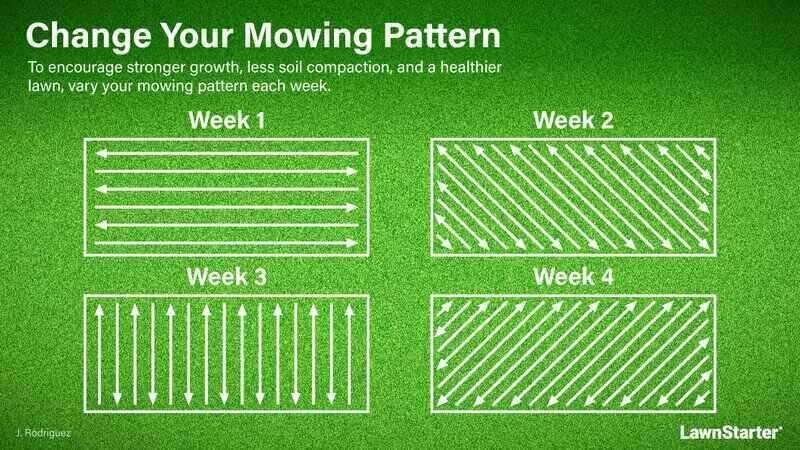
Changing your mowing pattern helps prevent grass from leaning in one direction and promotes upright growth. Use a crisscross pattern by mowing in different directions each time you cut. This technique also avoids soil compaction and encourages even thickness. For large lawns, divide the area into sections and mow each section thoroughly before moving on. Keep your lines straight and overlapping slightly for a neat appearance.
Techniques for Better Lawn Aeration
aerating your lawn regularly enhances soil aeration, allowing nutrients, water, and air to reach the roots more effectively. Use a garden fork or aerator tool to create small holes in the soil. This reduces compaction, helps grass roots grow stronger, and improves overall health. Aeration combined with proper mowing results in a greener, thicker lawn.
Adjusting Mower Blade Settings
A sharp mower blade makes clean cuts and prevents tearing grass blades, which helps keep the grass healthy. Regularly inspect and sharpen your mower blades, ideally every 8 to 10 hours of mowing. Also, adjust the blade height based on the season and grass type, as discussed earlier. Dull blades can stress your lawn and lead to disease, so blade maintenance is key.
Correct Mowing Technique
Hold the mower handle firmly and walk at a steady pace. Avoid rushing, which can cause uneven cuts. Make overlapping passes so that no patches are missed. For a smoother cut, mow in a pattern that varies each time, which helps the grass grow evenly. Never cut more than one-third of the grass blade at once to avoid stressing the roots.
How Often Should You Mow?
Frequency of mowing depends on grass growth and season. During peak growing periods, such as spring and early summer, mow once a week. In cooler months or drought conditions, mowing every two to three weeks may suffice. Observe your lawn; healthy grass should be cut when it reaches the recommended height. Consistent mowing promotes strong root systems and a lush appearance.
Dealing with Different Types of Grass
Different grass types have specific mowing needs. For example, Kentucky bluegrass prefers to be cut at 2.5 to 3 inches, while Bermuda grass thrives at 1 to 2 inches. Know your grass type and adjust your mowing height accordingly. Proper care tailored to your grass ensures a resilient and attractive lawn.
Using Proper Equipment
Choose the right mower for your lawn size and terrain. For small yards, a manual reel mower may suffice. For larger areas, a self-propelled or riding mower will save effort. Ensure your equipment is well-maintained, with sharp blades and clean filters. The right tools make mowing easier and more effective.
Incorporating Mulching and Grass Clipping Management
Mulching involves leaving grass clippings on your lawn, which decomposes and naturally fertilizes the soil. It also helps retain moisture and reduces the need for additional fertilization. When mowing, set your mower to finely chop the clippings and distribute them evenly. Avoid removing too much grass at once, as this can stress the turf.
Addressing Common Lawn Problems
Proper mowing can prevent many issues like thatch buildup, fungal diseases, and uneven growth. Keep an eye out for signs of pests or disease, which may require adjusting your mowing patterns or turf treatments. Regular mowing at the correct height reduces the chances of weeds taking hold and keeps your grass vigorous.
Seasonal Adjustments to Mowing Routine
Adjust your mowing height and frequency with the changing seasons. In summer, raise the mower blade to provide shade and conserve moisture. In fall, cut grass slightly shorter to prevent matting and promote cleanup. As winter approaches, reduce mowing or pause it altogether, depending on your climate. Seasonal adjustments help your lawn adapt and stay healthy year-round.
Maintaining Mower Equipment for Best Results
Regularly clean blades, air filters, and engine parts to ensure optimal performance. Follow manufacturer guidelines for oil changes and blade sharpening. Store your mower properly during off-season months and check for any mechanical issues before the mowing season begins. Well-maintained equipment results in cleaner cuts and protects your investment.
Additional Tips for a Beautiful Lawn
Water your lawn deeply but infrequently to promote deep root growth. Fertilize at appropriate times to provide essential nutrients. Aerate annually to prevent soil compaction. Conduct soil tests to determine if you need specific amendments. Combining proper mowing with these practices creates a thriving, green lawn.
Each step in the mowing process plays a role in maintaining a lush, healthy lawn. By choosing the right height, pattern, equipment, and timing, you can have a yard that looks great and remains resilient against pests and weather challenges. Regular care and attention to detail ensure your lawn stays beautiful throughout the year.
How to Mow a Lawn CORRECTLY
Frequently Asked Questions
What is the best way to prepare your lawn before mowing?
Before mowing, remove any debris like sticks, stones, or leaves from your lawn. Water your grass if it’s dry to keep it hydrated, which makes cutting easier and cleaner. Also, inspect your mower to ensure the blades are sharp and working properly. Proper preparation helps achieve a neat cut and promotes healthy grass growth.
How should you set the mower height for different types of grass?
Adjust the mower height based on the grass type and season. Generally, set your mower to cut about one-third of the grass height in a single session. For cool-season grasses, maintain a height of 2.5 to 4 inches, while warm-season grasses may require cutting slightly lower. Proper height setting encourages strong roots and minimizes stress on the grass.
What mowing pattern helps promote even growth?
Change your mowing pattern regularly to prevent the grass from developing a grain in one direction. Mixing patterns—such as mowing vertically on one visit and horizontally on the next—helps grass stand upright and promotes even growth. Overlapping your passes slightly also ensures a uniform cut across your lawn.
How do you handle slopes and uneven terrain when mowing?
When mowing on slopes, always mow across the slope rather than up and down to reduce the risk of slipping. Sharp turns at the bottom of slopes should be avoided, and you should mow slowly to maintain control. For uneven terrain, adjust your mowing pattern to navigate bumps and dips carefully, avoiding scalping the grass or damaging the mower.
What maintenance should you perform after mowing to keep your lawn healthy?
After mowing, rake up grass clippings if necessary to prevent thatch buildup, especially if you mow frequently. Check and clean your mower blades for any grass or debris, and sharpen blades regularly for clean cuts. Water and fertilize your lawn as needed to support recovery and growth, ensuring your grass stays healthy and vibrant.
Final Thoughts
To mow your lawn correctly, start by setting your mower blades to the proper height. Keep blades sharp to ensure a clean cut and prevent grass damage. Mow in overlapping rows, changing direction each time to avoid creating ruts. Regular mowing promotes healthy growth and a lush appearance.