To mow efficiently with a lawn tractor, start by setting the cutting height appropriately, keep the blades sharp, and mow in a pattern that promotes healthy grass growth. Always ensure the tractor is in good condition and avoid mowing when the grass is wet to get a clean cut and reduce clogging. Remember to clear debris before starting and regularly check fuel and oil levels for smooth operation.
A lawn tractor can make yard work easier and faster, but knowing how to mow correctly is key to achieving a beautiful, healthy lawn. Proper technique involves setting the right cutting height, mowing in a strategic pattern, and maintaining your equipment for optimal performance. With simple steps and some routine care, you can enjoy a well-manicured lawn that looks professionally maintained.
Mowing with a lawn tractor involves more than just pushing a button. It’s about understanding your equipment, using the right settings, and adopting a mowing pattern that promotes grass health. With a little practice, you’ll be able to keep your lawn looking perfect while saving time and effort.

How to Mow with a Lawn Tractor: A Complete Guide
Understanding Your Lawn Tractor Before Mowing
Before starting to mow, it’s important to know your lawn tractor’s features. Read the owner’s manual to familiarize yourself with controls and safety instructions. This knowledge helps you operate the mower efficiently and safely.
Identify key parts like the cutting deck, blades, engine, and drive system. Understanding how these work ensures proper maintenance and optimal mowing performance.
Preparing Your Lawn for Mowing
Clear the yard of obstacles such as rocks, sticks, and toys that could damage the blades or cause accidents. Cutting tall grass first can make the job easier and prevent clogging.
Inspect the lawn for uneven patches, holes, or slopes. Mow cautiously on slopes to prevent tipping or losing control of the tractor.
- Check the mower’s oil and fuel levels
- Ensure blades are sharp for a clean cut
- Adjust tire pressure to the recommended PSI
Choosing the Right Mowing Settings
Adjusting Cutting Height
Set your lawn tractor’s deck to the appropriate height for your grass type and season. Longer grass may require a higher setting to avoid stressing the mower.
Typically, cutting the grass to one-third of its height is ideal for healthy lawns. This prevents scalping and promotes thick, lush growth.
Setting the Mowing Pattern
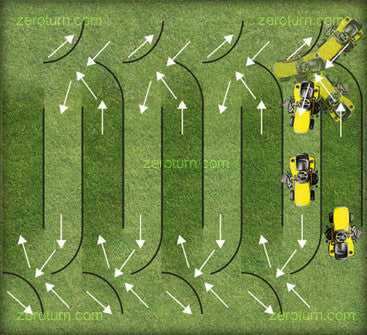
Choose a mowing pattern to ensure even cutting and avoid mower tracks. Common patterns include straight, diagonal, or spiral paths.
Changing patterns each time helps prevent grass from developing ruts and promotes a more uniform lawn.
Proper Mowing Technique with a Lawn Tractor
Starting the Tractor Safely
Start your lawn tractor on a flat surface with the parking brake engaged. Ensure safety features like seat switches are working before moving.
Engage the blades only after the tractor reaches a steady, slow speed to avoid jerks or damage.
Driving and Overlapping
Drive at a consistent, moderate pace to achieve an even cut. Overlap each pass slightly to ensure no grass is missed.
Maintain a straight line for a neat appearance and reduce the chances of uncut patches.
Turning and Cornering
Slow down before turning to prevent skidding or damaging the turf. Use wide, smooth turns to protect your lawn and the tractor.
For tight corners, back up slightly and then turn to avoid scalping the grass or stressing the machine.
Dealing with Different Lawn Conditions
Cutting Wet Grass
It’s best to avoid mowing when the grass is wet because it can clog the blades and result in uneven cuts. If you have to mow wet grass, go slowly and clear clogs frequently.
Handling Tall or Overgrown Grass
For tall grass, set the deck to a higher position first and mow in multiple passes. Remove clippings if they clog the deck or tool.
Dealing with Slopes and Hills
Always mow across slopes rather than up and down to prevent tipping. Use low speeds and avoid sharp turns on inclines.
Be mindful that riding on steep slopes can be dangerous; consult your tractor’s manual for specific safety guidelines.
Managing Clippings and Debris
Decide whether to mulch or bag clippings based on your lawn care needs. Mulching returns nutrients to the soil, while bagging keeps the yard tidy.
Regularly inspect and clean the blades and deck to maintain cutting efficiency. Removing debris prevents damage and ensures a clean cut.
| Clipping Management | Advantages |
|---|---|
| Mulching | Recycles nutrients, reduces waste, promotes healthy lawn |
| Bagging | Creates tidy appearance, suitable for lawn aesthetics |
Finishing Up and Post-Mowing Maintenance
After mowing, turn off the blades and engine, then clean the deck to remove grass and dirt buildup. Check and sharpen blades regularly for best results.
Inspect your tractor for any needed repairs and store it in a dry, sheltered place to prolong its lifespan. Proper maintenance ensures your mower remains ready for the next use.
- Check oil and fuel levels after use
- Sharpen blades at least once per season or after 25 hours of use
- Lubricate moving parts to prevent rust and wear
Safety Tips for Mowing with a Lawn Tractor
- Always wear appropriate safety gear such as safety glasses and sturdy shoes
- Never operate the tractor when children or pets are nearby
- Read and follow all safety instructions in the owner’s manual
- Be cautious on slopes and avoid sudden movements or turns
- Keep hands and feet away from moving blades at all times
Additional Tips to Make Mowing Easier
Plan your mowing route to minimize turns and overlaps. Consider mowing in the early morning or late afternoon when the grass is dry and temperatures are cooler.
Use mowing applications or maps to keep track of which areas you’ve cut, especially on large lawns. Investing in a high-quality mower suited to your yard size can save time and effort.
For complex terrains, consider using a tractor with four-wheel drive or adjustable cutting heights for better control and results.
Related Topics to Explore
- Different types of lawn tractors and their features
- Efficient lawn aeration and fertilization techniques
- How to repair and replace mower blades
- Seasonal lawn care tips for a healthy yard
- Choosing the right grass seed for your climate and soil
This detailed overview provides everything you need to know about how to mow with a lawn tractor efficiently, safely, and effectively. Proper preparation, technique, and maintenance make mowing easier and help maintain a beautiful lawn all season long.
Lawn Striping Tips From Simplicity
Frequently Asked Questions
What is the best way to prepare the lawn before mowing with a tractor?
Before mowing, clear the lawn of any debris, stones, or sticks that could damage the blades or cause safety hazards. Walk through the area to identify uneven spots or holes, and mark areas you want to avoid. Check that the grass height is appropriate for your tractor’s cutting capabilities, usually around 3 to 4 inches, to ensure a clean cut and healthy grass growth.
How should I set the cutting height on my lawn tractor for different grass types?
Adjust the cutting height according to the grass type and season. For most grasses, a height of 3 to 4 inches works well, but for thicker or taller grass, raise the blades slightly to avoid overloading the mower. Consult your tractor’s manual for specific instructions on adjusting the height, and always make adjustments when the engine is off and the blades are stationary.
What techniques can I use to mow efficiently and evenly with a lawn tractor?
Identify the most logical pattern for mowing, such as straight lines or circular patterns, to minimize missed patches. Overlap your passes slightly to ensure even coverage. Maintain a steady speed, avoid sudden turns, and reduce the mowing speed on slopes to prevent tipping. Regularly check the mower blades for sharpness to ensure a clean cut and prevent damage to the grass.
Final Thoughts
To mow with a lawn tractor, start by selecting the appropriate cutting height for your grass. Always check the terrain and avoid mowing wet grass to prevent slipping. Use even passes, overlapping slightly to ensure full coverage. Regular maintenance of the blades keeps your mower efficient and your lawn healthy.