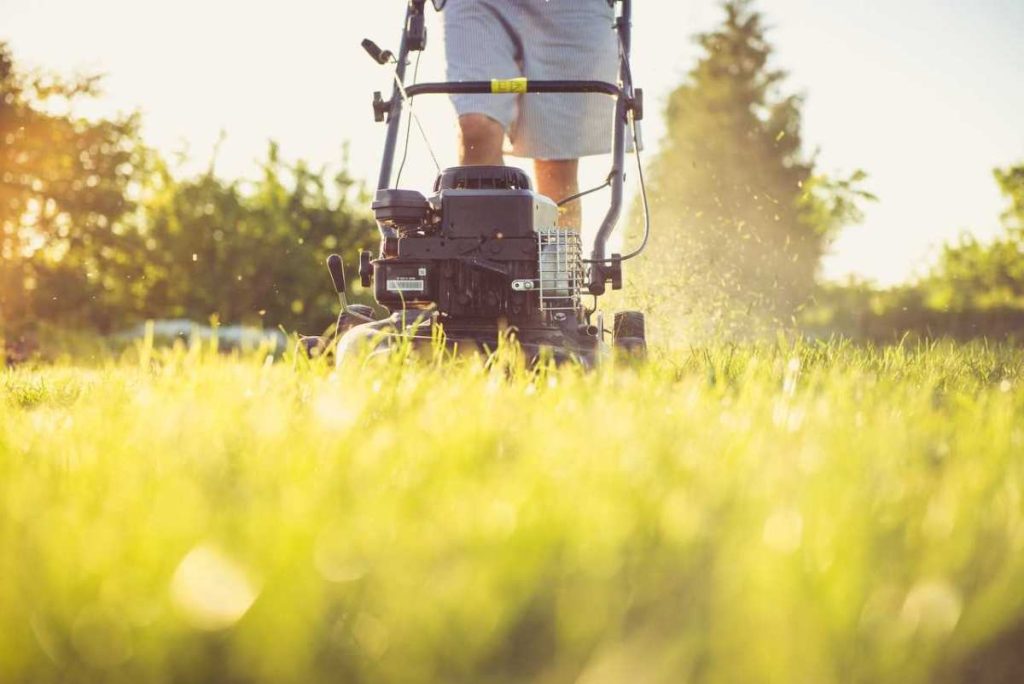
Mowing your lawn during a heatwave can do more harm than good—not just to your grass, but to you as well. When temperatures soar above 85°F (29°C), it’s often too hot to mow safely and effectively. Mowing under extreme heat can stress your grass, leading to brown patches and weakened roots, while also posing health risks to the mower operator like heat exhaustion or sunstroke.
In short, the best rule of thumb is to avoid mowing when temperatures are above 85°F (29°C) and the sun is at its peak. Opt for early morning or late evening cuts instead—that’s when both you and your lawn will thank you. Knowing when to hold off on mowing can keep your yard healthier and make your yard work safer.
If it’s sweltering outside, it’s best to wait until the temperature drops, the sun isn’t directly overhead, and the grass is cool and moist. Mowing in the heat can cause more harm than good, so staying aware of the weather conditions is key. Play it safe and keep your lawn and yourself comfortable by adjusting your mowing schedule appropriately.

How Hot Is Too Hot to Mow Lawn?
Knowing the right time to mow your lawn is important for maintaining a healthy yard. Temperature plays a big role in deciding whether it’s safe to mow. Mowing under extreme heat can harm your grass and even put your health at risk.
Understanding How Temperature Affects Your Lawn
Grass responds to temperature in different ways. When temperatures soar, grass becomes more vulnerable. Mowing in very hot weather can stress the grass and cause damage that takes weeks to recover.
What Happens to Grass in Hot Weather?
In high heat, grass can become dry and turn brown. Excessive heat can cause the grass to wilt and develop brown patches. Mowing during this time can make the problem worse.
The Importance of Cool Mowing Conditions
Cooler weather, typically below 85°F, helps the grass stay healthy. It’s best to mow when the grass is not under stress from the heat. This reduces damage and helps your yard stay lush and green.
Determining the Safe Temperature Range for Mowing
Experts agree that mowing is safe in temperatures under 85°F. When temperatures rise above this, the risk of damage increases. It’s good to keep a thermometer nearby when planning to mow.
Optimal Temperature for Mowing
For most lawns, the ideal temperature for mowing is between 60°F and 85°F. Within this range, grass stays resilient and healthy. Avoid mowing during the hottest part of the day when temperatures peak.
When to Avoid Mowing
Never mow if the temperature exceeds 90°F. During this time, your lawn is under stress, and mowing can exacerbate the problem. Also, avoid mowing during the hottest hours, usually between 10 a.m. and 4 p.m.
Signs That It’s Too Hot to Mow
Knowing the warning signs can help prevent lawn damage. Watch for these indicators:
- Grass that looks wilted or brown
- Grass feels dry or crispy
- Temperatures exceeding 85°F for several hours
- Unusually high humidity combined with heat
If you notice these signs, it’s better to wait until the cooler parts of the day or the next morning.
Effects of Mowing in Extreme Heat
Mowing during extreme heat can damage your lawn in several ways. It stresses the grass, making it more prone to diseases and pests.
Common Lawn Problems Caused by Hot Mowing
- Brown patches due to dehydration
- Increased vulnerability to diseases like rust and fungal infections
- Loss of color and vitality
- Reduced root growth, weakening the grass overall
Tips for Mowing Safely During Hot Weather
If it’s necessary to mow in warm weather, take precautions to protect your lawn and yourself. Here are some tips:
Adjust Your Mowing Schedule
- Early mornings or late evenings are ideal
- Avoid mowing during peak heat hours
- Check the weather forecast before mowing
Set the Right Blade Height
Raise the mower blade to cut at a taller height, around 3 inches. Taller grass shades the soil, keeping it cooler and reducing water loss.
Use Proper Mowing Techniques
- Make sure your mower blades are sharp to prevent tearing
- Remove only one-third of the grass height at a time
- Avoid mowing dry, brittle grass
Additional Measures to Protect Your Lawn in Hot Weather
Besides mowing practices, other steps can help your lawn survive extreme heat.
Water Deeply and Infrequently
Deep watering encourages strong root growth, making grass more resilient. Water early in the morning for the best results.
Mulch and Fertilize Correctly
Adding mulch helps retain soil moisture, while proper fertilization promotes healthy growth. Use fertilizers suited for hot weather to avoid stress.
Keep the Lawn Healthy Year-Round
Maintain your lawn with aeration, overseeding, and regular watering. Healthy grass handles heat better and recovers faster from damage.
Related Topics: Lawn Care in Hot Weather
Besides mowing, other lawn care tasks are affected by heat. Being aware of these can help you maintain a beautiful yard:
- Watering schedules: How often and how much to water during heatwaves
- Grass types: Choosing heat-tolerant grass varieties like Bermudagrass or Zoysia
- Dealing with brown patches: Ways to repair and prevent damage from heat stress
- Sunlight management: Using shade covers or planting strategies to reduce heat stress
Summary
Mowing in extreme heat can harm your lawn and affect its overall health. The best strategy is to mow when temperatures are below 85°F, preferably during cooler times of the day. By adjusting your mowing practices and taking extra lawn care steps, you can keep your yard healthy and vibrant even during hot months.
HOT Weather! Do's and Don'ts for your LAWN!
Frequently Asked Questions
What are the risks of mowing the lawn during very hot weather?
Mowing the lawn during extreme heat can stress both the grass and the mower. High temperatures can cause the grass to become dehydrated and damaged, which may lead to uneven growth or brown patches. Additionally, mowing in intense heat can be physically demanding, increasing the risk of heat exhaustion or dehydration for the person operating the mower. It’s best to avoid mowing during the hottest part of the day to protect your lawn and your health.
How can I tell if the temperature is too high for mowing?
Check local weather forecasts and temperature readings before mowing. When daytime temperatures reach 85°F (29°C) or higher, it becomes risky to mow. If you notice the grass turning brown or looking stressed, it indicates that the turf is already under stress, and mowing could worsen the damage. It’s advisable to mow early in the morning or later in the evening when temperatures are cooler.
What alternative lawn care practices should I consider during hot weather?
During hot weather, focus on watering your lawn deeply and infrequently to promote deep root growth. Avoid mowing when the grass is dry and stressed; instead, wait until the cooler parts of the day. You can also consider mulching to retain soil moisture and applying fertilizers that support drought tolerance. These practices help your lawn stay healthy without the additional stress caused by mowing during peak heat.
Is it better to skip mowing entirely during very hot days?
If temperatures are excessively high, skipping mowing can benefit your lawn. Mowing can strip away the grass blades, reducing its ability to photosynthesize and recover from stress. Giving your lawn a break allows it to conserve energy and moisture, which helps it stay healthy during periods of heat. Plan to mow when the weather cools down for better results.
How should I prepare my mower if I decide to mow in hot conditions?
Make sure your mower blades are sharp to prevent tearing the grass, which can exacerbate stress during hot weather. Clear any grass clippings and debris to ensure efficient cutting. Use a lower mowing height to avoid cutting too much grass at once, which can further stress the turf. Also, take breaks, stay hydrated, and wear protective clothing to stay safe during mowing sessions in the heat.
Final Thoughts
The question of how hot is too hot to mow lawn depends on the temperature and the grass’s condition. Mowing during extreme heat can stress the grass and damage the roots.
Generally, if temperatures exceed 85°F (29°C), it’s better to wait. Mowing in high heat can cause dehydration and uneven cutting.
Always prioritize your safety and the health of your lawn. Remember, how hot is too hot to mow lawn depends on specific conditions, but caution is key to avoid unnecessary harm.