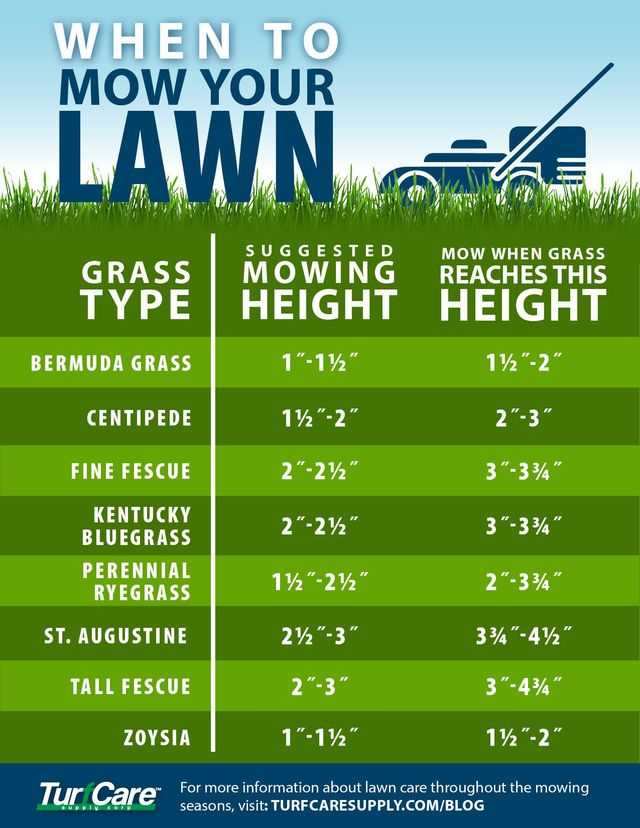
Mowing your lawn in fall can be a challenge, but with the right approach, you can keep your yard healthy and looking great all season long. The key is to adjust your mowing frequency based on grass growth, which slows down as temperatures drop, usually requiring less frequent cutting. Typically, mowing once every one to two weeks is sufficient during fall, with more frequent cuts only if your grass stays actively growing. Remember, cutting too often or too short can damage your lawn, so tailoring your routine to weather conditions and grass type is crucial. With a bit of attention, you’ll ensure your yard remains lush and vibrant through the cooler months.
To sum up, mow your lawn about once every one to two weeks during fall, adjusting based on grass growth and weather conditions. It’s important not to cut too short and to monitor your yard’s needs as temperatures change, ensuring your lawn stays healthy and attractive through the season.
As fall approaches, many homeowners wonder how to maintain their lawns effectively. The transition from summer to fall means your yard needs different care routines, especially concerning mowing. As temperatures cool down and days get shorter, grass growth naturally slows, which means you won’t need to mow as often. However, neglecting your lawn during this time can lead to uneven growth or disease. The goal is to keep your grass at an optimal height to promote healthy roots and prevent disease, while also preparing it for winter dormancy. Knowing how often to mow in fall helps you strike the right balance between trimming and letting your lawn rest, so it stays lush and healthy when spring comes around again.

How Often to Mow Lawn in Fall: A Complete Guide
Knowing how often to mow your lawn in fall helps keep your grass healthy and looking great throughout the season. The weather changes, grass growth slows, and different factors come into play that influence your mowing routine. This guide will explore the best practices for fall lawn mowing, ensuring your yard stays lush and vibrant even as temperatures drop.
Understanding Grass Growth During Fall
In fall, grass growth begins to slow down compared to spring and summer. Cooler temperatures and shorter daylight hours signal your lawn to prepare for winter dormancy. Despite the slowdown, some grass types may still grow, requiring regular mowing.
Warm-season grasses like Bermuda or Zoysia generalmente go dormant in fall, needing less frequent mowing. Cool-season grasses such as Kentucky bluegrass, fescue, and ryegrass may continue growing into late fall, although at a reduced rate.
Factors Influencing Mowing Frequency in Fall
Weather Conditions
Frequent rain and mild temperatures encourage grass growth, requiring more regular mowing. Conversely, colder weather and dry spells slow growth, meaning less frequent mowing.
Grass Type and Growth Rate
Knowing your grass type helps determine mowing schedules. Warm-season grasses slow down earlier in fall, while cool-season grasses may still grow, necessitating consistent mowing.
Grass Height and Maintenance Goals
Maintaining a healthy height is vital during fall. Keeping grass at an optimal height aids in winter protection and disease prevention. Your goal might be to keep the grass slightly longer now to prevent frost damage.
Ideal Mowing Frequency in Fall
Adjusting to Growth Rate
Typically, mowing every 7 to 14 days is sufficient during fall. If your grass is still actively growing, aim for weekly mowing. If growth slows significantly, extend intervals to every 10 or 14 days.
Monitoring Grass Height
Always measure the height of your grass. Most experts recommend maintaining it at around 2.5 to 3.5 inches in fall. Cutting too short can stress the grass before winter begins.
Signs You Need to Mow
- Grass exceeds the recommended height
- Clippings are visible on the lawn after a week
- The grass appears uneven or overgrown
Regularly check your lawn to decide if mowing is needed. Remember, it’s better to mow less often than to cut too much at once.
Best Practices for Fall Mowing
Adjust Mower Height
Set your mower to a higher setting during fall. Raising the blades to about 3.0 to 3.5 inches protects the grass and encourages strong root development before winter.
Sharpen Mower Blades
A sharp blade provides a clean cut, reducing stress and damage to the grass. Regularly sharpen your mower blades in fall for the best results.
Timing and Frequency
Plan to mow when the grass is dry to prevent clumping and uneven cuts. Avoid mowing during the cool of early morning or late evening when moisture is high.
Be Gentle at the End of the Season
Gradually reduce mowing frequency as growth slows. The last mow should be when the grass reaches around 3 inches, and avoid cutting below 2 inches to prevent stress.
Additional Tips for Fall Lawn Care
Raking and Leaf Management
Regularly removing leaves prevents smothering grass and diseases. Use a rake or leaf blower to keep the lawn clear, especially before mowing.
Fertilization
Applying a fall fertilizer helps grass recover from summer stress and build resilience during winter. Use a fertilizer high in potassium for better winter hardiness.
Watering Considerations
As temperatures drop, watering needs decrease. Water only when the lawn shows signs of drought stress. Avoid watering in late fall before freeze conditions set in.
Preparing for Winter Damage
Gradually lowering your mowing height in late fall reduces the risk of snow mold and disease. Keeping the lawn slightly longer also provides insulation against harsh weather.
Common Mistakes to Avoid in Fall Lawn Mowing
- Mowing too short, which stresses the grass
- Using dull mower blades, causing ragged cuts
- Mowing during wet or frosty conditions
- Cutting too frequently or infrequently without monitoring growth
- Ignoring grass type and environmental factors affecting growth
Summary
To keep your lawn healthy in fall, mow at a frequency of once every 7 to 14 days, adjusting based on growth and weather. Set your mower higher, typically around 3 inches, and ensure blades are sharp. Regular mowing and proper lawn maintenance protect your grass from winter damage and keep it looking its best.
How Often Should You Mow The Lawn?
Frequently Asked Questions
How does the frequency of mowing affect the health of my lawn in fall?
Regular mowing in fall promotes healthy grass growth by preventing thatch buildup and encouraging new, strong blades. By mowing consistently, you help maintain optimal nutrient absorption, which supports the overall vitality of your lawn during the cooler months. Avoid letting the grass grow too tall, as excessive height can lead to disease and pest issues.
What factors should I consider when deciding how often to mow my lawn in fall?
Consider the type of grass, the rate of growth, and the weather conditions. Cool-season grasses grow more quickly in fall, requiring more frequent mowing. Also, if the weather remains warm, mowing every 7 to 10 days suffices. Cooler temperatures slow growth, so cut back to every 2 weeks or as needed. Always adjust based on your lawn’s specific growth patterns.
Can I mow my lawn too often or too little during fall?
Yes, mowing too often can stress the grass and prevent it from developing a healthy root system. Conversely, mowing too infrequently allows grass to become tall, which increases the risk of disease and pests. Find a balance by mowing regularly enough to keep grass at a desirable height, typically around 2.5 to 3 inches, without overdoing it.
Is it better to cut grass shorter or leave it longer in fall?
It’s best to keep your grass slightly longer in fall, around 2.5 to 3 inches. Taller grass helps insulate the roots from cold temperatures and prevents moisture loss. Cutting too short can weaken the grass and make it more susceptible to winter damage. Maintain consistent mowing to keep the grass healthy and resilient through the season.
How should weather fluctuations influence my mowing schedule in fall?
If the weather stays warm and dry, you may need to mow more frequently to keep the grass at the desired height. During cooler or wetter periods, growth slows, so reduce mowing frequency accordingly. Always monitor your lawn’s appearance and growth rate to adjust your schedule, ensuring the grass remains healthy without unnecessary stress.
Final Thoughts
In fall, mowing frequency depends on grass growth. As temperatures drop, grass grows more slowly. Usually, mowing once every 10-14 days suffices.
Adjust your schedule based on recent growth and weather patterns. If your lawn stops growing, cut back on mowing.
Remember, how often to mow lawn in fall minimizes stress for your grass and keeps it healthy. Proper mowing habits help prepare your lawn for winter.