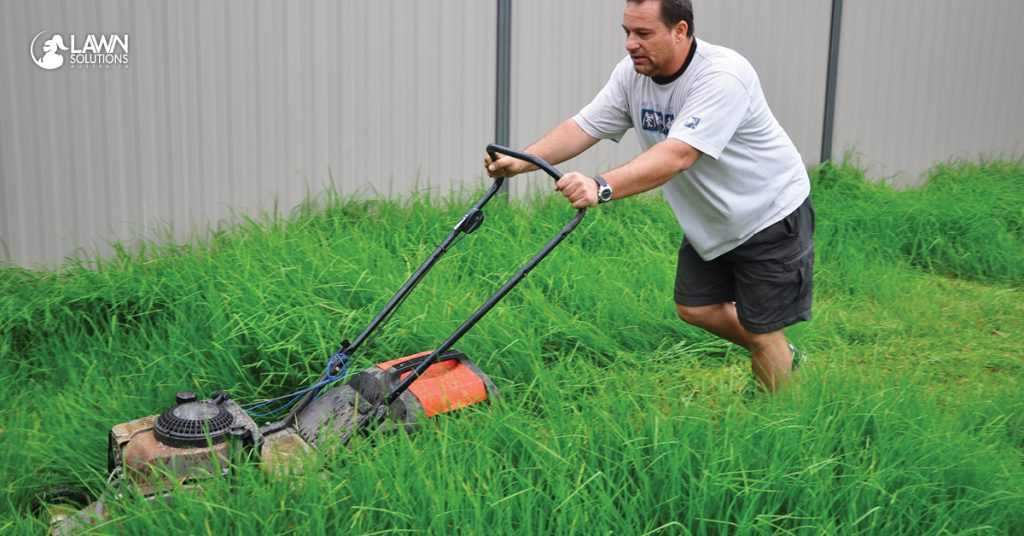
Trim the overgrown grass carefully by starting with a high mower setting, then gradually lowering the blade to achieve a clean cut. Remove debris beforehand, mow in dry conditions, and take multiple passes if needed for tall grass. Regular maintenance afterward will keep your lawn healthy and tidy.
If your lawn has become overgrown, don’t worry—tackle it with patience and the right approach. Begin by setting your mower to a higher setting to avoid damaging the grass, then mow in stages, lowering the blade each time until you reach the desired height. Clear away sticks, rocks, and leaves before you start to prevent any damage to your mower or uneven cuts. It’s best to mow when the grass is dry, as wet grass can clog the mower and lead to uneven results. For very tall grass, consider trimming with a weed whacker first to make mowing easier. With consistent care, you’ll transform your overgrown yard into a lush, well-manicured space.

How to Mow a Lawn That Is Overgrown
Understanding the Challenges of Overgrown Lawns
Overgrown lawns can be tricky to mow because the grass is usually taller and thicker than normal. This makes it harder for your mower to cut evenly and smoothly. Additionally, tall grass can hide debris or rocks that might damage your mower blades if not identified first. Recognizing these challenges helps you prepare properly before starting the job.
Assessing the Overgrowth Level
Before mowing, evaluate just how tall and dense the grass is. If the grass exceeds six inches, it is considered overgrown and requires special steps. For grass taller than twelve inches, you might need to mow in multiple passes. Take a moment to check for weeds, debris, or other obstacles that could interfere with the mower. Proper assessment ensures a safer and more effective mowing process.
Preparing Your Equipment and Tools
Make sure your mower is in good condition before tackling overgrown grass. Sharpen the blades for a clean cut and check the oil, fuel, and tires. For very tall grass, consider using a brush cutter or string trimmer first to reduce the height. Having the right tools ready saves time and prevents equipment breakdowns during the job.
Step-by-Step Process for Mowing Overgrown Grass
- Initial Cutting: Set your mower to the highest setting. Mow the lawn in wide, even passes to reduce the height gradually.
- Clear Debris: After the first pass, remove any sticks, rocks, or trash that might have been uncovered.
- Second Pass: Lower the mower blade setting and mow again, focusing on creating an even cut.
- Fine-tuning: For a clean finish, go over the lawn at a 90-degree angle for a crisscross pattern.
Ensure each pass overlaps slightly to avoid missed patches. Patience is key when mowing overgrown grass to prevent damage to your mower and achieve a neat look.
Handling Tall Grass Safely and Effectively
Tall grass can sometimes hide pests or holes. Wear protective gear like gloves, eye protection, and sturdy shoes. Take your time to inspect the lawn as you mow, especially in areas with dense overgrowth. If grass is really thick, consider taking shorter segments to prevent clogging the mower.
Using the Right Mower Settings for Overgrown Lawns
Adjust the mower to its highest setting first to handle the tallest grass. As you progress, lower the cutting height gradually. This reduces strain on the machine and improves the cut quality. Remember, cutting too low in one pass can damage the grass and mower blades alike.
Dealing with Excessive Grass Clippings
Long grass produces large amounts of clippings that can clog your mower. Collect the clippings regularly if your mower has a bag attachment. Alternatively, rake and dispose of clippings to prevent smothering the grass or creating a thatch problem.
Maintaining Your Mower During and After Use
After mowing, inspect the blades and clean any grass buildup on the deck. Sharpen blades regularly to keep cuts clean and healthy for your lawn. Proper maintenance extends the lifespan of your equipment and keeps your yard looking its best.
Additional Tips for Overgrown Lawns
- Water the lawn: Mow a slightly damp lawn to help grass cut more smoothly, but avoid mowing when it’s soaking wet.
- Use the right mower: For thick or overgrown grass, a mower with a powerful engine and sharp blades is essential.
- Start early: Mow during cooler parts of the day to stay comfortable and avoid mower overheating.
Preventing Future Overgrowth
Regular lawn maintenance prevents the grass from becoming unmanageable. Mow at the recommended height once a week during peak growing seasons. Water and fertilize your lawn properly to promote healthy, even growth. Proper care reduces the need for multiple passes over tall, unruly grass.
Related Topics for Better Lawn Care
- How to choose the best mower for your lawn size
- Understanding grass types and their mowing requirements
- Tips for controlling weeds in overgrown lawns
- Best fertilizers for promoting healthy grass growth
Following these detailed steps will help you safely and effectively mow an overgrown lawn. Patience and proper equipment are key to restoring your yard to a beautiful, manageable state. Taking small, steady steps ensures your grass gets cut evenly without damaging your mower or harming the lawn itself. With consistent effort, your yard will look neat and healthy again in no time.
How To Mow A Tall Overgrown Lawn
Frequently Asked Questions
What is the best way to remove heavy weed overgrowth before mowing?
Start by removing large weeds and debris manually to prevent machinery damage. Use a garden hoe or weed puller to loosen the soil around stubborn plants. Clear thick patches with a rake or garden fork to reduce resistance. This preparatory step makes mowing smoother and ensures even grass cutting.
How should you adjust your mower for overgrown grass?
Set your mower to the highest cutting height first to avoid clogging or straining the blades. Make a pass over the entire lawn, then gradually lower the blade height for subsequent cuts. This approach helps cut through tall grass without damaging the mower or leaving uneven patches, resulting in a cleaner cut.
What techniques can be used to handle matted or thick grass layers?
Begin with a string trimmer to break up dense mats and trim around edges. Follow up by mowing at a higher setting to reduce stress on your mower. For especially thick patches, consider making multiple passes, allowing the mower to handle the growth gradually. Properly aerating the lawn beforehand can also improve airflow and make mowing more effective.
How do you safely mow an overgrown lawn without damaging your equipment?
Ensure your mower blades are sharp and well-maintained to handle dense grass safely. Remove any large sticks, rocks, or debris from the lawn to prevent damage. Take slow, controlled passes to avoid strain on the mower, and avoid forcing through extremely thick areas—mow in sections if necessary. Regularly check and clear the mower deck to maintain optimal performance.
What follow-up steps should you take after mowing a heavily overgrown lawn?
After mowing, rake up clippings to prevent smothering the grass and promote healthy regrowth. Consider applying an overgrowth-specific fertilizer to boost lawn health. Water the lawn adequately, especially if the grass was stressed during overgrowth, and plan for regular mowing to keep the grass at a manageable height moving forward.
Final Thoughts
To sum up, how to mow a lawn that is overgrown involves starting with safety precautions and removing debris. Use a mower with enough power to handle thick grass and cut in multiple passes if needed. Keep blades sharp for a clean cut, and adjust the height gradually.
Regular maintenance prevents overgrowth and makes mowing easier. Clear tools and plan a routine to maintain your lawn’s health. Following these steps ensures a tidy, healthy yard.
By applying these tips, you make mowing an overgrown lawn manageable and effective, leading to a well-maintained outdoor space.