You should mow your lawn once a week during the growing season to keep it healthy and looking its best. The frequency depends on the grass type, weather conditions, and how fast your lawn grows. Regular mowing promotes lush, green grass and prevents pests and diseases from taking hold.
For a perfect lawn, aim to mow once a week during peak growing periods, adjusting frequency based on your specific grass and climate. Keep your mower blades sharp and don’t cut more than one-third of the grass height at a time to maintain healthy turf. Proper mowing habits are key to a vibrant and invite-worthy yard.

How Often Do You Need to Mow a Lawn
Understanding the Basics of Lawn Mowing Frequency
Proper lawn maintenance starts with knowing how often to mow your grass. The right mowing schedule depends on several factors including grass type, growth rate, and weather conditions. Mowing regularly promotes healthy growth and keeps your yard looking neat.
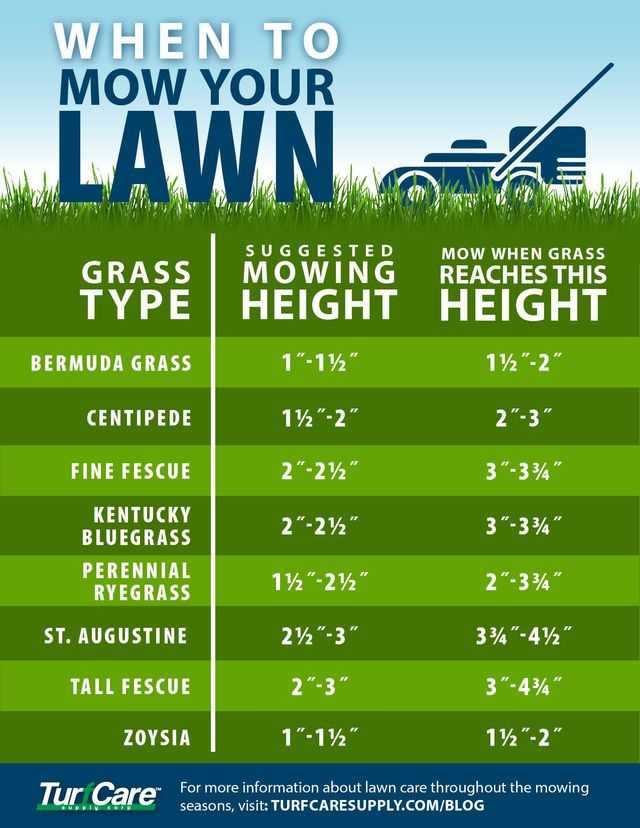
Grass typically needs to be cut when it reaches about one-third taller than your desired height. This prevents cutting too much at once, which can stress the grass. A consistent routine helps create a lush, even lawn that remains healthy all season.
Factors That Influence How Often You Should Mow
Different factors affect how often you need to mow. These include the type of grass, the season, and local climate conditions. Understanding these factors helps you develop an effective mowing schedule that suits your lawn’s needs.
- Grass Type: Cool-season grasses like Kentucky bluegrass or fescue grow faster in spring and fall. Warm-season grasses like Bermuda or Zoysia grow more rapidly during summer.
- Season: Growth rate varies across seasons. During active growing months, mowing might be needed weekly.
- Weather Conditions: Warm, rainy weather encourages rapid growth, requiring more frequent mowing. Hot, dry weather can slow growth, reducing mowing frequency.
Ideal Mowing Frequency per Grass Type
Different grasses have unique needs in terms of mowing. Knowing the ideal schedule helps maintain a healthy, attractive lawn.
Cool-Season Grasses
Cool-season grasses such as Kentucky bluegrass, fescues, and ryegrass typically need mowing once a week during their active growing periods in spring and fall. In summer, growth slows, and mowing might be needed every ten to fourteen days.
Warm-Season Grasses
Grass types like Bermuda, Zoysia, and St. Augustine grow actively in summer. Mowing these grasses about once a week or every ten days is sufficient during peak growth. In winter, when growth slows, mowing can be reduced significantly or paused.
How Growth Rate Affects Mowing Schedule
The growth rate of your grass will impact how often you should mow. Fast-growing grass requires more frequent cutting to avoid cutting more than one-third of the height at once.
- Fast growers: Need mowing twice a week during peak season.
- Moderate growers: Mow weekly or every ten days.
- Slow growers: Require mowing every two to three weeks.
Monitoring your lawn’s height regularly ensures you adjust your mowing schedule effectively. Using a simple grass height chart can help determine when your grass needs cutting.
Seasonal Changes and Their Effect on Mowing
As seasons change, so does the frequency of mowing. In spring, grass starts to grow rapidly, necessitating more frequent mowing. During summer, growth may slow, but warm-season grasses can still require weekly cuts.
Fall signals the end of the growing season for cool-season grasses, and mowing frequency decreases. Winter generally means little or no mowing, especially in colder regions where turf goes dormant.
How to Adjust Your Mowing Routine Based on Weather Patterns
Weather plays a crucial role in lawn management. Frequent rain promotes growth, while drought conditions may slow it down.
- After heavy rain: Grass may need to be mowed more often to keep it neat.
- During drought: Reduce mowing frequency to avoid stressing your lawn.
- Hot and dry weather: Mow less frequently but more carefully to prevent damage.
Keep an eye on local weather reports and adjust mowing schedules accordingly to maintain a healthy lawn.
Tools and Techniques for Optimal Mowing
Using the right mower and techniques can influence how often you should mow. A mower with adjustable height settings helps you maintain the ideal grass height.
- Blade sharpness: Keep mower blades sharp to ensure clean cuts. Dull blades tear the grass, making it susceptible to disease.
- Cutting height: For most lawns, aim to keep grass around 2.5 to 3 inches tall. This height promotes strong root growth and drought resistance.
- Mowing pattern: Change your mowing direction regularly to prevent soil compaction and promote even growth.
Avoid mowing when the grass is wet, as this can lead to uneven cuts and mats that promote disease.
Benefits of Proper Mowing Frequency
Sticking to the ideal mowing schedule offers many advantages for your lawn. It helps develop a dense, weed-resistant turf that stays healthy through different seasons.
- Promotes healthy root growth: Cutting at the right height encourages roots to grow deeper.
- Reduces pest and disease issues: Proper mowing prevents grass from becoming too tall or too short, minimizing vulnerabilities.
- Enhances lawn appearance: Regular mowing keeps your yard looking tidy and inviting.
Maintaining a good mowing routine also reduces the likelihood of needing costly repairs or treatments later on.
Common Mistakes to Avoid When Mowing
Even with the right schedule, some mistakes can harm your lawn. Being aware of these can help you avoid problems.
- Cutting too short: Removing more than one-third of the grass height stresses the plant.
- Not sharpening mower blades: Dull blades tear grass, leading to ragged edges and disease.
- Mowing when the grass is wet: This causes clumping and uneven cut, plus potential disease.
- Ignoring grass height: Failing to monitor can result in overgrown or uneven turf.
Following best practices ensures your lawn stays healthy and green all season long.
Summary of Mowing Frequency Recommendations
To keep your lawn healthy and attractive, consider these general guidelines:
| Grass Type | Growth Season | Recommended Mowing Frequency |
|---|---|---|
| Cool-season grasses | Spring and fall | Once a week |
| Warm-season grasses | Summer | Once a week or every ten days |
| Slow-growing grasses | Winter | Every two to three weeks or less |
Adjustments are necessary depending on specific weather and lawn conditions.
Related Topics
Explore additional aspects of lawn care that influence how often you mow:
- Fertilizing your lawn: Proper nutrients support healthy growth, affecting mowing needs.
- Watering habits: Adequate watering helps maintain moisture and growth patterns.
- Lawn aeration: Improves soil health and promotes strong root systems, reducing mowing frequency.
- Dealing with weeds: Keeping weeds in check prevents overcrowding and uneven growth.
Matching these practices with an appropriate mowing schedule results in a vibrant, healthy lawn all year round.
How Often Should You Mow The Lawn?
Frequently Asked Questions
How can weather conditions influence the frequency of mowing a lawn?
Weather plays a significant role in how often you should mow your lawn. During hot, dry periods, grass grows more slowly, so mowing can be less frequent, perhaps once every 10-14 days. Conversely, after periods of rain or when the weather is cooler and humid, grass may grow faster, requiring weekly mowing to keep it neat. Monitoring the growth rate helps determine the best mowing schedule for your lawn’s health and appearance.
What signs indicate that my lawn needs mowing?
If you notice that grass blades have grown to a height of about 3 inches or more, it’s time to mow. Additionally, if mowing feels difficult or the mower struggles to cut the grass evenly, your lawn likely needs attention. Consistently leaving grass too long can lead to an uneven appearance and may promote pests or disease, so keep an eye on the height to maintain its best condition.
How does the type of grass affect how often I should mow?
The type of grass in your yard determines the ideal mowing frequency. For example, fine-bladed grasses like Bermuda or Kentucky bluegrass often require more frequent mowing, around once a week during peak growing seasons. Coarser grasses, such as fescue or tall fescue, may need less frequent cuts. Understanding your grass type helps create a mowing routine that keeps your lawn healthy and visually appealing.
Does the season impact how often I need to mow my lawn?
Yes, seasons greatly influence mowing frequency. During the active growing seasons of spring and summer, your lawn may need weekly mowing to manage rapid growth. In fall, growth slows, and mowing can be reduced to every two weeks or less. In winter, if the grass remains green and grows, mowing is rarely necessary. Adjusting your schedule based on seasonal growth patterns helps maintain a vibrant, healthy lawn year-round.
What is the recommended mowing height for different types of grass?
Maintaining the proper mowing height is essential for lawn health. Generally, keep cool-season grasses like bluegrass and fescue at 2.5 to 3.5 inches tall. Warm-season grasses such as Bermuda or Zoysia thrive when cut to about 1 to 2 inches. Avoid cutting more than one-third of the grass height in a single session to prevent stress. Setting your mower to the appropriate height for your grass type ensures a resilient and attractive lawn.
Final Thoughts
How often do you need to mow a lawn depends on grass type and growth rate. Generally, mowing once a week keeps the grass healthy and neat. During peak growing seasons, you might need to mow more frequently.
Consistent mowing encourages lush, even grass, while infrequent cuts can lead to overgrowth and yard issues. Adjust your schedule based on weather conditions and grass height.
In conclusion, the right mowing frequency balances healthy growth and yard appearance. How often do you need to mow a lawn? Regular mowing ensures your lawn stays vibrant and manageable.