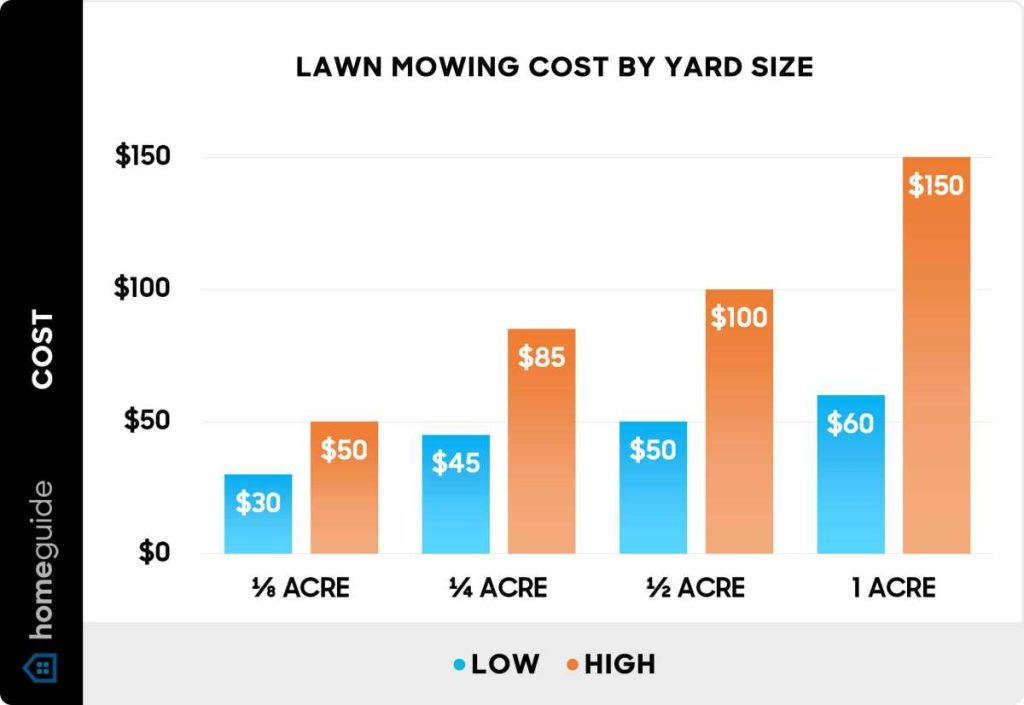
You can typically charge between $30 and $50 for a standard lawn mow, but the price can vary based on size, location, and job complexity. For larger or more complex lawns, rates can go up accordingly. A quick way to estimate your charge is by considering the lawn’s size and the time it will take to complete the task.
In essence, how much you charge to mow a lawn depends on several factors, including lawn size, terrain, and local market rates. By assessing these elements carefully, you can set a fair price that attracts clients while ensuring you earn enough to make it worthwhile.
Figuring out how much to charge for mowing a lawn might seem tricky at first, but it’s all about understanding the scope of the job and the going rates in your area. Whether you’re just starting out or looking to adjust your prices, finding the right balance can help you earn a fair income and keep your customers happy. Remember, pricing competitively yet fairly is key to building a steady lawn mowing business.

How Much Can I Charge to Mow a Lawn
Understanding the Basics of Lawn Mowing Prices
Setting the right price for mowing lawns is essential for earning fair wages while staying competitive. Several factors influence how much you can charge, including the size of the lawn, location, and services offered. Knowing these details helps you determine a reasonable rate that benefits both you and your clients.
Factors That Influence Lawn Mowing Rates
- Size of the Lawn: Larger lawns require more time and effort, increasing costs.
- Terrain and Obstacles: Hilly areas or yards with trees and flower beds can add to the difficulty and time needed.
- Location and Market Rates: Prices vary by region depending on the local economy and competition.
- Type of Service: Regular maintenance, edging, or additional services can change the price.
- Equipment Used: Using professional equipment may justify higher charges due to efficiency and quality.
Average Pricing for Lawn Mowing Services
Most lawn mowing jobs fall within a typical price range, making it easier to set your rates. On average, homeowners pay between $30 to $80 per visit for lawns up to a quarter-acre. Larger properties or more complex terrains can cost from $80 to $150 or more per session.
Pricing Models for Lawn Mowing
Flat-Rate Pricing
This method involves charging a fixed fee per lawn regardless of the time spent. It works well for standard-sized yards and simplifies billing for both parties.
Hourly Pricing
Charges are based on the actual time spent working. You might set an hourly rate of $20 to $50, depending on your experience and location.
Per Square Foot or Per Acre
For larger properties, pricing per square foot or per acre helps ensure fair compensation for extensive work.
How to Determine Your Lawn Mowing Rate
- Research Local Prices: Check what other lawn care providers charge in your area.
- Calculate Your Costs: Factor in expenses such as equipment, fuel, and transportation.
- Estimate Time and Effort: Consider how long it takes to mow different lawn sizes and complexity.
- Set a Competitive Price: Ensure your rates are attractive but also sustainable for your business.
- Adjust for Special Services: Add extra charges for edging, trimming, or cleanup tasks.
Pricing for Different Lawn Sizes
| Lawn Size | Typical Price Range | Notes |
|---|---|---|
| Up to 1/4 Acre | $30 – $50 | Standard residential lawns |
| 1/4 to 1/2 Acre | $50 – $75 | Includes basic mowing and trimming |
| Half to 1 Acre | $75 – $150 | May include edging and cleanup |
| More Than 1 Acre | Variable, $150 and up | Depends on complexity and additional tasks |
Additional Services and How They Affect Pricing
Adding extra services can increase your earnings and offer more value to clients. Services like edging, leaf blowing, hedging, and aeration typically add $10 to $50 per session. Offering comprehensive lawn care packages can attract loyal customers and increase your income.
Pricing Tips for New Lawn Care Providers
- Start with Competitive Rates: Research local prices and offer introductory discounts to attract initial clients.
- Be Transparent: Clearly communicate what your price includes to avoid misunderstandings.
- Adjust with Experience: As you gain more clients and experience, consider increasing your rates accordingly.
- Offer Package Deals: Encourage repeat business with discounted or bundled services.
- Track Your Time: Keep records of how long jobs take to refine your pricing and ensure profitability.
Understanding Market Demand and Competition
Avoid overpricing by considering the typical rates in your neighborhood. High demand may allow for slightly higher prices, but excessive rates can drive clients away. Conversely, setting prices too low may undervalue your work and limit your earnings.
Pricing Strategies for Maximum Profit
- Value-Based Pricing: Emphasize quality and dependable service to justify higher rates.
- Tiered Pricing: Offer basic, standard, and premium packages catering to different client needs.
- Upselling Services: Suggest additional tasks, such as fertilizing or landscaping, to increase income.
Knowing how much to charge for mowing a lawn involves understanding your costs, market rates, and the value you provide. By carefully evaluating these elements and adjusting your prices as you build experience, you can successfully run a profitable lawn care business. Always prioritize fair pricing that reflects your skills and effort while remaining attractive to potential clients.
Easiest Way To Price Your Lawn Mowing Service | How To Charge
Frequently Asked Questions
What factors influence the price I should charge for mowing a lawn?
Several factors determine how much you can charge for mowing a lawn. These include the size of the yard, the terrain’s difficulty, the type of grass, and the equipment needed. Additionally, local market rates and the level of service provided, such as trimming or edging, also impact your pricing. Assessing these elements helps you set a fair and competitive rate that covers your costs and offers value to clients.
How does the size of the lawn affect my mowing fee?
The larger the lawn, the more time and effort it takes to mow. Generally, prices increase with the area to ensure your work remains profitable. For small lawns, you might charge a flat fee or a lower rate per square foot, while larger properties might require a higher overall fee or a per-square-foot charge. Calculating a clear rate based on size helps maintain fairness and consistency in your pricing.
Should I consider offering different pricing tiers based on lawn complexity?
Yes, offering tiered pricing can help you accommodate various lawn types and customer needs. For example, a simple, flat terrain may warrant a basic rate, while complex landscapes with slopes, obstacles, or tall grass might require a premium fee. Setting different tiers allows you to communicate clearly with clients and ensure that your pricing reflects the effort involved.
How can I determine a competitive yet profitable rate in my area?
Research local competitors’ rates and consider your costs, including equipment maintenance and fuel. It helps to start by surveying pricing in your region and then adjust your rates to ensure you cover expenses while remaining attractive to clients. Offering quality service at a reasonable price encourages repeat business and positive reviews.
What are some common pricing models used by lawn care professionals?
Many professionals use flat fees, hourly rates, or per-square-foot charges to price their services. Flat fees work well for small or straightforward lawns, while hourly rates suit jobs requiring unpredictable time commitments. Per-square-foot pricing helps when handling larger or more complex properties. Choosing the right model depends on your preferences and the type of work you perform most frequently.
Final Thoughts
The amount you can charge to mow a lawn depends on factors like size, location, and service quality. Smaller lawns typically cost less, while larger or complex ones demand higher fees.
Research local rates to set competitive prices and ensure you cover your expenses.
Ultimately, how much can i charge to mow a lawn varies, but providing clear, fair pricing helps attract and retain clients.