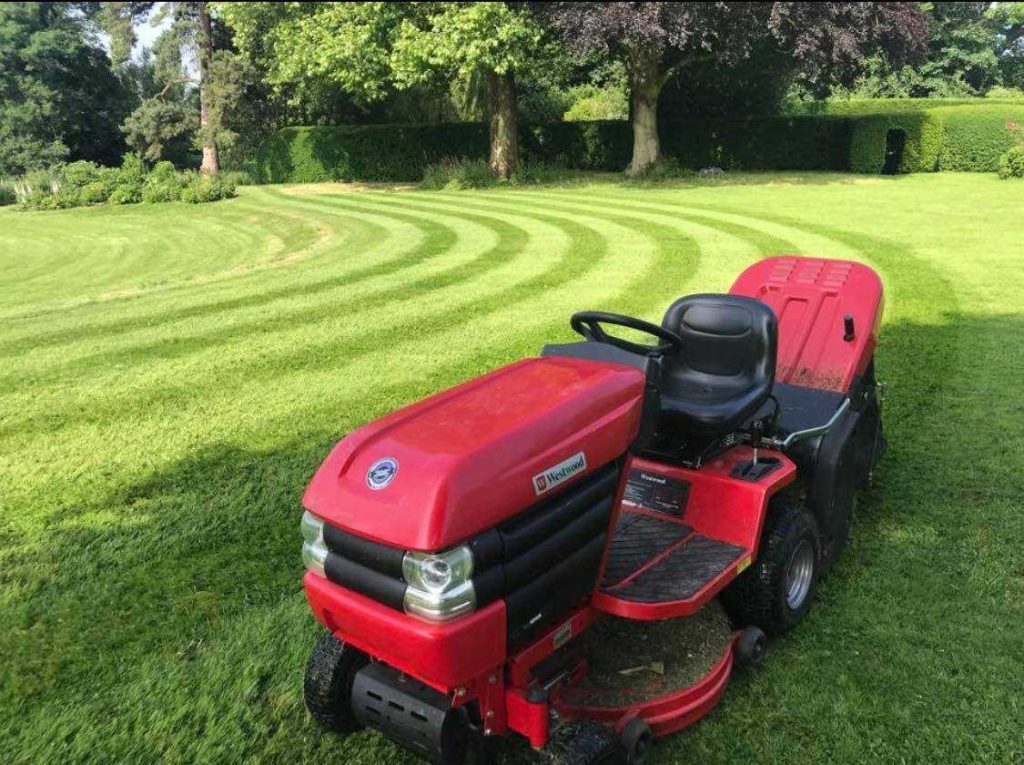
Mowing a large lawn can seem like a daunting task, but with the right approach and a bit of planning, it can be quick and efficient. Start by mowing the edges first to create a clean boundary, then work your way in using straight, overlapping lines to ensure even coverage. Consider using a lawn mower suited for larger areas, such as a riding mower, to save time and effort. Remember to adjust the cutting height based on the type of grass, and keep your mower blades sharp for the best results. With these tips in mind, you’ll have a beautifully manicured lawn in no time!
When it comes to mowing a large lawn, having a game plan makes all the difference. Large spaces can take a while to tackle, but breaking the job down into manageable steps can save you time and energy. Whether you’re a seasoned gardener or a beginner, these essential tips will ensure your lawn looks pristine while making the task more enjoyable. By keeping your equipment in good shape and understanding the best mowing practices, you’ll be able to maintain your lawn effortlessly, leaving you more time to relax and enjoy your outdoor space. Let’s explore the best strategies to get that perfect cut!

How to Mow a Large Lawn
Mowing a large lawn can be a big task, but with a little planning and the right tools, it becomes an easy part of lawn care. Keeping your lawn neat enhances its beauty and health. Let’s dive into the steps and tips for mowing a large lawn effectively.
Understanding Your Lawn
Before starting, you need to assess your lawn’s condition. Look for any uneven areas, obstacles, and the type of grass you have. Each type of grass requires different mowing heights and frequencies.
– **Check for obstacles:** Remove any toys, branches, or rocks.
– **Identify grassy areas:** Know where your lawn ends and the landscaping begins.
Knowing your lawn inside and out helps you create a mowing plan that suits its needs best.
Choosing the Right Equipment
Selecting the appropriate mower is crucial for mowing effectively. Here are a few popular types of lawn mowers:
- Push Mowers: Ideal for small to medium-sized lawns.
- Self-Propelled Mowers: Great for larger areas with slopes.
- Riding Mowers: Perfect for extensive lawns, making the job easier.
- Robotic Mowers: Automated option for low-maintenance mowing.
Make sure your equipment is in good working order. Check the blades for sharpness and ensure the gas tank is full if it’s a powered mower.
Preparing Your Lawn for Mowing
To prepare your lawn for mowing, follow these simple steps:
1. **Mow when dry:** Wet grass clumps and doesn’t cut evenly. It’s best to mow when the lawn is dry.
2. **Set the mower height:** Different grasses have different recommended heights. Adjust your mower accordingly.
3. **Clear debris:** Ensure the lawn is free of any leaves, branches, or debris to prevent damage to the mower.
A little preparation goes a long way towards achieving a beautiful lawn.
Developing a Mowing Pattern
Establishing an effective mowing pattern is essential when mowing a large lawn. Here are a few strategies:
– **Striping Pattern:** Mow in straight lines back and forth. This creates a striped effect and is usually easy to follow.
– **Circular Pattern:** For oddly shaped lawns, mow in circles, starting from the outer edge and working inwards.
– **Diagonal Pattern:** Mowing diagonally can help cover more area quickly, but be cautious of missed spots.
Always change your mowing pattern regularly. This prevents soil compaction and promotes healthier grass.
Techniques for Mowing
When it’s time to start mowing, remember these tips:
1. **Mow at a consistent speed:** A steady pace ensures an even cut.
2. **Overlap your rows:** Leave little room between rows to ensure all grass is cut.
3. **Avoid mowing in the same direction each time:** This helps to reduce grass stress and promotes upright growth.
These techniques help maintain a healthy lawn and make mowing easier.
Maintenance During Mowing
While mowing, keep your safety and the mower in mind. Here’s a checklist:
– **Wear protective gear:** Safety glasses and sturdy shoes are essential.
– **Take breaks:** Mowing a large lawn can be tiring. Take breaks as needed to stay refreshed.
– **Monitor the mower:** Keep an eye on the mower’s performance and check for any issues.
Listening to your body and your equipment can save you from accidents or long-term damage.
Post-Mowing Care
After you finish mowing, it’s essential to care for your lawn properly. Here’s what to do:
– **Clean the mower:** Remove grass clippings and debris from under and around the mower.
– **Inspect the lawn:** Look for any areas that may need touching up or extra care.
– **Leave clippings on the lawn:** If they are not too thick, let the clippings decompose on the lawn. This returns nutrients to the soil.
This post-mowing routine ensures your lawn stays healthy and looks great.
Common Lawn Mowing Mistakes to Avoid
There are several common mistakes that many people make when mowing their lawns. Avoid these pitfalls to achieve the best results:
- Mowing too short: Cutting grass too short can damage it and lead to weed problems.
- Mowing with dull blades: Dull blades tear the grass instead of cutting it, making recovery harder.
- Mowing during the hottest part of the day: This can stress the grass. Aim for early morning or late afternoon.
Being aware of these mistakes can improve your mowing strategy significantly.
Seasonal Lawn Care Considerations
The season affects how you should mow your lawn. It’s important to adapt your approach based on the time of year:
Spring
– Start mowing once the grass begins to grow.
– Keep the mowing height higher initially to allow for healthy growth.
Summer
– Mow regularly to keep weeds at bay.
– Raise the cutting height as temperatures increase to conserve moisture.
Fall
– Gradually lower your cutting height as growth slows.
– Prepare your lawn for winter by mowing less frequently.
Winter
– In winter, avoid mowing unless necessary.
– Prepare equipment for the next mowing season.
Adjusting your mowing schedule based on these seasonal changes ensures your lawn stays healthy year-round.
Additional Tips for Maintaining a Large Lawn
To further enhance your lawn care routine, consider these additional tips:
– **Fertilization:** Regularly fertilize to promote healthy grass growth.
– **Aeration:** Aerate your lawn to improve soil health and drainage.
– **Weed Control:** Regularly check for weeds and treat them promptly.
These practices, combined with proper mowing techniques, will maintain a lush and green lawn.
Mowing a large lawn may seem daunting at first, but with proper planning and execution, it becomes manageable. By understanding your lawn, preparing appropriately, and using the right mowing techniques, you’ll achieve a beautiful outdoor space. Remember, a little care goes a long way in ensuring your lawn stays healthy and vibrant.
How to Mow a Lawn CORRECTLY
Frequently Asked Questions
What equipment do I need to mow a large lawn efficiently?
To mow a large lawn efficiently, you need a reliable mower suitable for the size of your yard. Consider using a riding mower or a self-propelled mower, as they can cover larger areas quickly. Additionally, ensure you have safety gear, such as sturdy shoes and eye protection, along with accessories like a fuel can, extra blades, and a lawn rake for debris removal.
How can I prepare my lawn before mowing?
Preparing your lawn before mowing involves several steps. First, clear the area of any debris, such as sticks, toys, or rocks, to avoid damaging your mower. Next, check the grass height; if it’s too tall, consider raising the mower deck to prevent stress on the grass. Finally, ensure your mower blades are sharp for a cleaner cut, which promotes healthier grass growth.
What is the best time of day to mow a large lawn?
The best time to mow a large lawn is during the late morning or early evening when temperatures are cooler and the sun is less intense. Mowing when the grass is dry helps prevent clumping and allows for a cleaner cut. Avoid mowing during the hottest part of the day to reduce stress on both you and the grass.
How often should I mow my large lawn?
Mowing frequency depends on the grass type and growth rate. Generally, you should mow your lawn every one to two weeks during the growing season. During periods of rapid growth, such as spring, you might need to mow more frequently. Aim to cut no more than one-third of the grass height at each mowing to maintain healthy growth.
What mowing pattern should I follow for an even cut?
To achieve an even cut, vary your mowing pattern each time you mow. Start by mowing in straight lines, then alternate directions for the next mowing session. This technique prevents grass from leaning in one direction and helps reduce soil compaction. For larger areas, consider using a spiral pattern, starting from the outside and working your way inward.
Final Thoughts
Mowing a large lawn requires proper planning and technique for the best results. Begin by mowing in straight lines, making overlapping passes to ensure even cutting. Adjust the mower height according to the grass type, aiming for a healthy length.
Use a sharp blade to make clean cuts, which reduces stress on the grass. Lastly, maintain your equipment regularly to ensure it operates efficiently. Following these steps will help you efficiently mow a large lawn while keeping your yard looking its best.