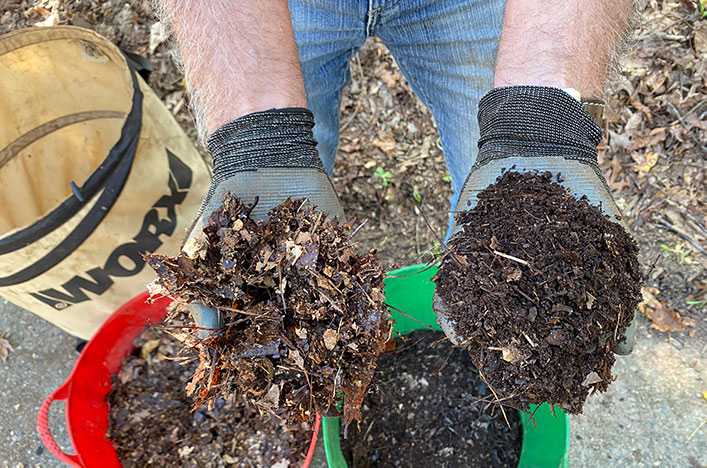
Mulching with shredded leaves is a simple, eco-friendly way to keep weeds at bay and enrich your garden soil. Just spread a layer of shredded leaves around your plants, and you’ll quickly notice fewer weeds sprouting while your plants thrive. To effectively control weeds, apply a 2-3 inch layer of shredded leaves around your garden beds, ensuring you don’t block essential air circulation and water penetration. This natural mulch suppresses weed growth, conserves moisture, and gradually decomposes to add nutrients to the soil.
Using shredded leaves as mulch is a gardening hack that combines weed control with composting. It’s an affordable, sustainable method that transforms yard waste into a garden asset. With just a bit of preparation—shredding leaves into smaller pieces and evenly spreading them—you can minimize unwanted weeds effortlessly while boosting your garden’s health.

How to use shredded leaves to control weeds
Using shredded leaves to control weeds is an eco-friendly way to keep your garden healthy. It helps prevent weed growth while enriching the soil naturally. This method is simple, affordable, and sustainable, making it a favorite for many gardeners.
Understanding the benefits of shredded leaves
Shredded leaves act as a natural mulch, offering several advantages. They suppress weeds, retain soil moisture, and add organic matter to the soil as they decompose. This organic layer creates a barrier that prevents weed seeds from reaching sunlight, stopping them from sprouting.
Additionally, shredded leaves improve soil health by increasing aeration and promoting beneficial microorganisms. Using shredded leaves reduces waste and makes your garden more environmentally friendly.
Choosing the right type of leaves for mulching
Not all leaves are equally suitable for weed control. The best leaves for mulching are those that decompose quickly and do not contain harmful substances. Good options include oak, maple, and ash leaves.
Avoid using black walnut or horse chestnut leaves because they contain chemicals that can inhibit plant growth. Mixing different types of leaves can create a richer mulch layer and enhance its weed-controlling properties.
Gathering and preparing shredded leaves
Start by collecting fallen leaves from your yard or neighborhood. Rake or sweep leaves onto a tarp or into containers for easy handling. Using a leaf shredder or mulching mower will turn whole leaves into smaller pieces quickly.
Chopping leaves into smaller pieces increases their surface area, allowing for faster decomposition and better weed suppression. Aim for shredded leaves that are roughly the size of confetti for optimal effectiveness.
Applying shredded leaves effectively
Calculating the right mulch depth
Spread shredded leaves in a layer approximately two to three inches thick. This depth is enough to suppress weeds and retain moisture without suffocating plants.
For garden beds, apply shredded leaves around existing plants, keeping a few inches away from stems to prevent rot. For bare soil, you can cover the entire area with mulch.
Placement and coverage tips
- Ensure the layer is even to prevent thin spots where weeds can poke through.
- Leave a small space around plant stems to avoid moisture buildup and rot.
- Pat down the mulch gently for better contact with the soil.
Maintaining shredded leaf mulch for optimal weed control
Monitor the mulch regularly, especially after heavy rain. Replenish shredded leaves as they decompose or become thin. Adding a fresh layer each year boosts weed suppression and maintains soil health.
Remove any weeds that manage to grow through the mulch early to prevent seed spreading. Turning the mulch annually can also help improve its effectiveness and prevent compaction.
Additional tips for successful weed control with shredded leaves
- Combine shredded leaves with other organic mulches such as straw or wood chips for increased weed suppression.
- Avoid piling shredded leaves directly against plant stems to prevent potential rot or disease.
- Use shredded leaves in vegetable gardens, flower beds, and around shrubs for versatility.
Preventing common problems
One challenge with shredded leaves is that they can hold moisture and potentially promote mold if applied too thickly or kept wet. To prevent this, ensure good air circulation and avoid excessive watering over mulch.
If mold appears, simply turn the mulch to dry it out. Rustling or aerating the mulch also helps control pests and prevents matting.
Using shredded leaves in composting as an alternative or supplement
Shredded leaves are great in compost piles, breaking down quickly to produce nutrient-rich compost. Mixing shredded leaves with kitchen scraps and grass clippings accelerates decomposition.
This compost can be used to improve soil fertility, complementing the weed control benefits of shredded leaf mulch.
Applying shredded leaves as mulch is an effective and natural way to control weeds in your garden. Proper selection, preparation, and application ensure that you maximize their weed-suppressing abilities. Regular maintenance and combining shredded leaves with other organic mulches can lead to a healthier garden with fewer weeds and richer soil.
Weed Free Garden using Cardboard | Mistakes to Avoid
Frequently Asked Questions
How can shredded leaves be applied effectively around plants?
Apply shredded leaves as a mulch layer around the base of your plants, ensuring the layer is about 2 to 3 inches thick. Keep the mulch a few inches away from the stems to prevent moisture buildup and potential rot. Spread the leaves evenly to cover the soil surface, which helps suppress weed growth while allowing water and air to reach the roots.
What is the best time to use shredded leaves for weed control?
Use shredded leaves at the beginning of the growing season or before weeds start to emerge. Applying mulch early gives it time to suppress weed seeds from germinating. Reapply after heavy rains or as the mulch decomposes to maintain an effective weed barrier throughout the season.
How does layering shredded leaves help in controlling weeds?
Layering shredded leaves creates a physical barrier that blocks sunlight from reaching weed seeds, preventing their germination. The mulch also maintains soil moisture and temperature, which discourages weed growth. Consistent layering ensures ongoing weed suppression and promotes healthier plant development.
Are there any plants that do not thrive well with shredded leaf mulch?
Most plants tolerate shredded leaf mulch well; however, avoid applying it directly around plants sensitive to high moisture or prone to rot, such as some bulbs and succulents. Additionally, thick layers of leaves can sometimes harbor pests or disease if not properly maintained, so monitor your plants and adjust mulch thickness accordingly.
How should shredded leaves be prepared before use as a weed barrier?
Shred leaves thoroughly to prevent matting and facilitate decomposition. Shredded leaves decompose faster and provide better aeration for the soil. If leaves are large, run them through a mower or use a leaf shredder. Allow the shredded material to dry briefly before applying to avoid matting and mold formation.
Final Thoughts
How to use shredded leaves to control weeds involves spreading a thick layer around your plants. This mulch suppresses weed growth by blocking sunlight and preventing seeds from germinating. Ensure the leaves are shredded to avoid matting and improve breathability.
Apply shredded leaves evenly, maintaining a 2-3 inch depth for effective weed control. Regularly replenish the mulch to keep weeds at bay and maintain soil health. This method naturally reduces the need for chemical herbicides.
In conclusion, shredded leaves serve as an excellent natural weed barrier. Using shredded leaves to control weeds offers an eco-friendly, cost-effective solution for a healthy garden.