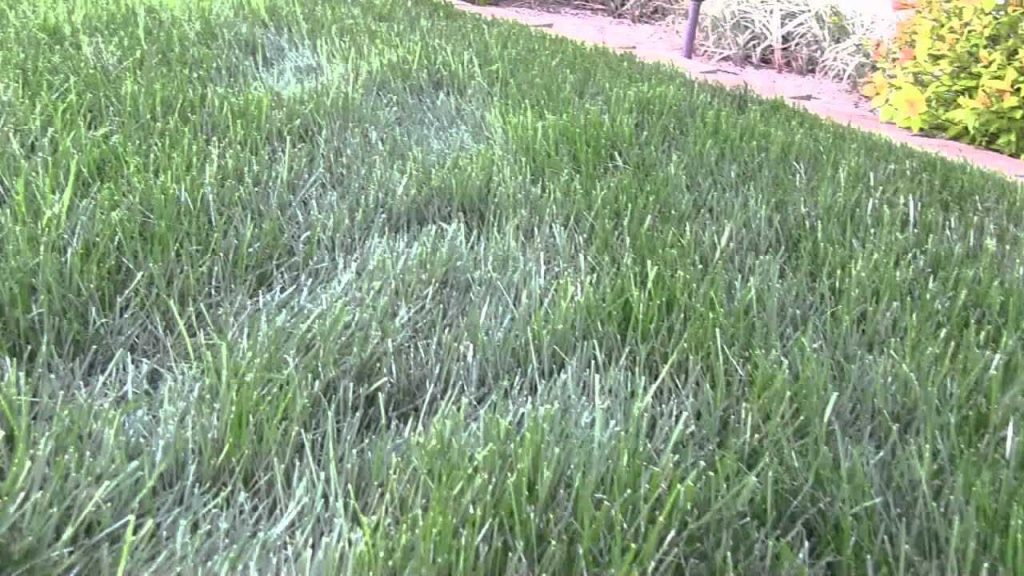
If you’re dealing with powdery mildew on your lawn, the quick answer is to ensure proper air circulation, maintain good lawn health, and apply fungicides if necessary. Powdery mildew is a common fungal disease that looks like a white, powdery coating on grass blades, and it thrives in humid, low-airflow environments. To combat this issue, it’s essential to regularly mow your lawn, avoid overcrowding, and water early in the day to keep the grass dry. Organic remedies, such as applying baking soda or neem oil, can also help manage the problem. Identifying and addressing the conditions that lead to this fungal infection is key to keeping your lawn healthy and vibrant. Let’s dive deeper into understanding and battling powdery mildew in your lawn!

Understanding Powdery Mildew Lawn
Powdery mildew is a common lawn disease that can wreak havoc on your turf. It appears as a white, powdery coating on grass blades, and it can spread rapidly. When left untreated, it can weaken your lawn, making it more susceptible to other diseases and pests. In this article, we will delve into everything you need to know about powdery mildew, including its causes, symptoms, prevention, and treatment options.
What is Powdery Mildew?
Powdery mildew is a fungal disease that affects a wide variety of plants, including lawns. The fungus thrives in warm, dry conditions, making it especially prevalent during late summer to early fall. It can affect various grass types, but cool-season grasses are particularly susceptible.
This disease usually manifests as a white or grayish powdery substance on the surface of the grass blades. If left untreated, the infected blades can become yellow and eventually die off. Understanding the growth conditions of powdery mildew is crucial for effective management.
Signs and Symptoms of Powdery Mildew Lawn
Identifying powdery mildew early is essential for effective control. Here are some common signs and symptoms to watch for:
- White or grayish powder on grass blades
- Yellowing leaves
- Stunted growth of affected grass
- Leaf curling or deformation
Typically, the disease starts on lower leaves and can quickly spread to other parts of the lawn. If you observe these symptoms, it’s vital to take action to prevent further damage.
Life Cycle of Powdery Mildew
Understanding the life cycle of powdery mildew can help you grasp how and when to control it. The cycle includes the following stages:
- **Infection**: Spores land on susceptible grass in favorable conditions.
- **Colonization**: The spores germinate and penetrate the leaf tissues.
- **Growth and Reproduction**: The fungus continues to grow, producing more spores.
- **Dispersal**: Wind and water carry the spores to new plants, spreading the infection.
Each stage is critical; the sooner you manage the infection, the less impact it will have on your lawn.
Causes of Powdery Mildew Lawn
Several environmental factors contribute to the development of powdery mildew. Some common causes include:
- **High humidity**: Moisture in the air can promote fungal growth.
- **Poor air circulation**: Crowded lawns or shadowed areas can create ideal conditions for mildew.
- **Over-fertilization**: Excess nitrogen can lead to lush growth, making grasses more prone to infection.
- **Susceptible grass types**: Certain grass varieties are more vulnerable to powdery mildew.
Identifying the root causes in your lawn can help you tackle powdery mildew more effectively.
Environmental Conditions Favoring Powdery Mildew
Specific conditions can favor the growth of powdery mildew. These include:
- **Warm temperatures**: The fungus thrives best between 60°F and 80°F.
- **Lack of rainfall**: Dry periods can lead to higher humidity levels near grass.
- **Drought stress**: Lawns under water stress are more prone to diseases.
Reading the environment effectively allows homeowners to adjust their care techniques accordingly.
Prevention of Powdery Mildew Lawn
Preventing powdery mildew is often easier than treating it. Here are some preventive measures you can take:
- **Choose resistant grass varieties**: Plant grasses that are less susceptible to mildew.
- **Improve air circulation**: Ensure that your lawn has adequate space for grass to spread.
- **Water correctly**: Water early in the morning to reduce humidity levels.
- **Mow regularly**: Keep the grass at a healthy height to promote growth.
Implementing these strategies can significantly reduce the risk of powdery mildew taking hold in your lawn.
Soil Health and Powdery Mildew Prevention
Healthy soil plays a vital role in the prevention of powdery mildew. To maintain soil health:
- **Test soil regularly**: Knowing the nutrient levels helps in effective fertilization.
- **Use organic matter**: Incorporate compost to improve soil structure and nutrients.
- **Rotate grass types**: Change the varieties planted in your lawn to disrupt the life cycle of pathogens.
Taking good care of your soil contributes to a robust lawn and prevents disease development.
Treatment Options for Powdery Mildew Lawn
If you find powdery mildew in your lawn, it’s important to take immediate action. Here are some treatment options:
- **Fungicides**: Use commercial fungicides labeled for powdery mildew. Follow the instructions carefully.
- **Homemade remedies**: Solutions like baking soda mixed with water can inhibit growth.
- **Cultural practices**: Adjust your watering and grooming practices to improve lawn health.
- **Remove infected grass**: If only a few areas are affected, consider removing the infected grass blades.
Using a combination of these methods can help control the spread of the disease.
Applying Fungicides Effectively
If you choose to use fungicides, proper application is key. Consider the following:
- **Time your applications**: Apply fungicides early in the morning or late in the evening to avoid sunburn.
- **Follow instructions**: Always adhere to the manufacturer’s guidelines for effectiveness.
- **Reapply as needed**: Monitor your lawn and apply again based on the extent of infection.
Effective treatment requires diligence and attention to detail.
Long-Term Strategies for Managing Powdery Mildew
Managing powdery mildew is not only about treatment but also prevention for the future. Long-term strategies include:
- **Regular lawn care**: Maintain a consistent schedule for mowing, watering, and fertilizing.
- **Monitor for symptoms**: Regularly inspect your lawn for early signs of powdery mildew.
- **Adapt to seasonal changes**: Adjust your lawn care practices according to the weather.
- **Educate yourself**: Stay informed about the best practices and changes in lawn care.
Implementing long-term strategies ensures your lawn remains healthy and resilient.
Caring for your lawn involves a proactive approach to managing diseases like powdery mildew. By understanding its causes, symptoms, and treatment options, you can keep your lawn healthy and vibrant. Remember that a little effort in prevention can go a long way in maintaining a beautiful and thriving lawn. Regular monitoring, appropriate care, and measures to improve the overall health of your turf will ensure that powdery mildew does not become a persistent problem. Your lawn deserves the best, and by taking these steps, you’re sure to achieve a lush, green oasis in your yard.
Powdery Mildew Fungus In My Lawn
Frequently Asked Questions
What are the symptoms of powdery mildew on lawns?
Symptoms of powdery mildew on lawns include a white, flour-like coating on grass blades, reduced growth, and stunted or yellowing grass. You may also notice the grass becoming more fragile and susceptible to other diseases due to the stress caused by the mildew.
How can I prevent powdery mildew from affecting my lawn?
To prevent powdery mildew, ensure your lawn receives adequate sunlight and airflow by avoiding overcrowding of plants. Water early in the day to allow grass to dry out quickly, and maintain proper fertilization to support healthy grass growth. Regularly mowing your lawn at the recommended height can also minimize the risk of infection.
Can powdery mildew harm my lawn permanently?
While powdery mildew can damage grass and reduce its vigor, it usually does not cause permanent harm if managed promptly. With appropriate treatment and care, your lawn can recover and maintain its health. However, if left untreated, severe cases can lead to more significant problems and potentially die off sections of the grass.
What treatment options are available for managing powdery mildew?
Effective treatments for powdery mildew include improving air circulation by thinning out grass and pruning surrounding plants. Fungicides specifically designed for powdery mildew can also help manage outbreaks. Additionally, organic solutions like baking soda or neem oil may prove beneficial in controlling the spread of mildew.
When is the best time to address powdery mildew in my lawn?
It’s best to address powdery mildew as soon as you notice symptoms. Early intervention can prevent the disease from spreading. Regularly inspecting your lawn, especially during warm, dry weather when powdery mildew is more likely to thrive, allows you to catch any issues promptly.
Final Thoughts
Preventing powdery mildew lawn issues requires regular maintenance and attention. Regular mowing and proper watering reduce moisture, helping to deter this fungal threat.
If you spot powdery mildew lawn, act quickly with fungicides and cultural practices to manage the outbreak. Ensure airflow and sunlight reach your grass by aerating and trimming surrounding plants.
In summary, a healthy lawn can resist powdery mildew lawn. By maintaining proper care, you can enjoy a thriving green space free from this common lawn problem.