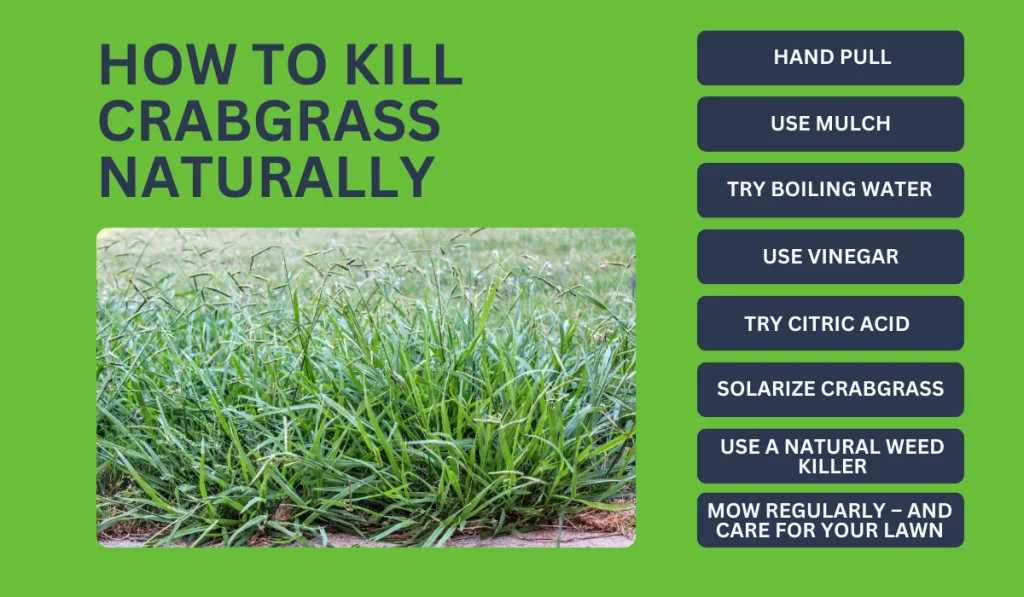
To make a homemade crabgrass killer, mix white vinegar with salt and dish soap, then spray directly onto the crabgrass. This natural solution effectively kills weeds without harmful chemicals and is easy to prepare using common household ingredients. For best results, apply on a sunny day for quicker weed eradication.
If you’re tired of battling stubborn crabgrass in your yard and want a simple, eco-friendly solution, creating your own weed killer at home might be just what you need. You don’t have to rely on store-bought chemical products that can harm the environment; instead, you can make a potent mixture from ingredients you probably already have in your kitchen. This homemade crabgrass killer is inexpensive, easy to apply, and effective at targeting weeds without risking your lawn’s health. With just a few simple steps, you can keep your yard looking lush and crabgrass-free all season long.

How to Make Homemade Crabgrass Killer
Crabgrass is a common weed that can take over your lawn if not controlled properly. Making your own crabgrass killer at home is a cost-effective way to manage this stubborn weed naturally. You can prepare effective solutions using ingredients found in your kitchen and garden, avoiding harsh chemicals. Let’s explore various methods to create homemade crabgrass killers that are safe, affordable, and easy to use.
Natural Ingredients That Fight Crabgrass
Many natural substances can help control crabgrass without harming your lawn or environment. These ingredients are easy to find and often inexpensive. They include vinegar, boiling water, salt, and certain herbicides made from natural products.
Vinegar
Vinegar is a popular natural weed killer because of its acetic acid content, which can kill young crabgrass plants. Use white distilled vinegar for best results. Higher acetic acid concentrations work faster and are more effective but should be used carefully to avoid damaging desirable plants.
Boiling Water
Pouring boiling water directly onto crabgrass is an effective way to kill weeds instantly. It works by burning the plant tissue on contact. Be cautious to avoid splashing on other plants or grass you want to keep healthy.
Salt
Salt can be used to kill crabgrass by dehydrating the plant. However, it is essential to use salt sparingly to prevent soil contamination that could affect other plants in your lawn.
Natural Herbicides
Some commercial natural herbicides contain ingredients like citric acid, clove oil, or vinegar-based formulas. These products are designed to target weeds without harming surrounding plants and can be prepared at home using common kitchen ingredients.
Preparing Homemade Crabgrass Killers
Creating your own crabgrass killer requires mixing ingredients in the right proportions and applying them at the right time for maximum effectiveness. Below are some popular recipes you can try at home.
Vinegar Spray Solution
- Mix one gallon of white distilled vinegar
- Add two tablespoons of dish soap to help the solution stick to the weeds
- Optionally, include a tablespoon of salt for added potency
- Pour into a spray bottle or garden sprayer
Spray this solution directly onto crabgrass during a dry, sunny day for best results. Reapply every few days until the weeds die.
Boiling Water Method
- Bring a large pot of water to a boil
- Carefully pour the boiling water directly onto the crabgrass leaves and base
- Repeat as needed to manage persistent patches
This method is quick and chemical-free but requires caution to prevent burns or damage to surrounding plants.
Salt-Based Solution
- Mix one cup of salt into one gallon of water
- Stir until the salt dissolves completely
- Transfer to a spray bottle or watering can
Apply this solution directly onto the crabgrass, avoiding other desirable plants. Use sparingly to prevent long-term soil damage.
Applying Homemade Crabgrass Killers Effectively
To achieve the best results, timing and application methods matter. Apply your homemade solutions during dry, sunny days when weeds are actively growing. Use a sprayer or watering can to target these patches precisely.
Best Time for Application
Apply early in the morning or late in the afternoon when the sun isn’t too intense. This helps prevent the solution from evaporating quickly and increases absorption by the weeds.
Precautions
- Always wear gloves and protective eyewear when handling vinegar or salt solutions
- Avoid spraying on windy days to prevent drift onto other plants
- Test small areas first to observe the effect before applying broadly
- Do not overuse salt solutions to avoid soil degradation
Additional Tips for Managing Crabgrass
Homemade killers work best when combined with good lawn care practices. Regular mowing, watering, and fertilizing can make your grass healthier and more resistant to weeds.
Prevention Measures
- Maintain a thick, healthy lawn to prevent crabgrass seeds from taking root
- Apply a pre-emergent weed control in early spring to stop crabgrass seeds from germinating
- Remove crabgrass plants manually before they seed
Environmentally-Friendly Alternatives
Instead of relying solely on chemicals, you can improve soil health with organic compost and aeration. These practices help grass grow stronger and outcompete weeds naturally.
Choosing the Right Method for Your Lawn
The best homemade crabgrass killer depends on your lawn size, weed severity, and personal preferences. Vinegar solutions are suitable for small patches, while boiling water works well for stubborn, localized areas.
Safety First
Always follow safety guidelines when preparing and applying homemade solutions. Use protective gear and keep children and pets away from treated areas until the solution dries.
Summary of Key Points
- Vinegar is effective for quick, targeted weed killing, especially on young crabgrass
- Boiling water offers an instant solution with no chemicals involved
- Salt can be used with caution to avoid soil harm
- Proper timing and application methods boost effectiveness
- Combine homemade solutions with good lawn care for a healthier yard
Making your own crabgrass killer at home is an affordable, eco-friendly way to control weeds. Experiment with different solutions to find what works best for your lawn while keeping safety in mind. Regular maintenance and preventive steps will help keep your yard free of stubborn crabgrass and thriving.
Best Homemade Organic Weed Control – Natural & Safe Vinegar Boosted
Frequently Asked Questions
What natural ingredients can I use to create an effective homemade crabgrass killer?
You can combine white vinegar, salt, and dish soap to create a powerful natural crabgrass killer. Mix one gallon of white vinegar with one cup of salt and a few drops of dish soap. The vinegar and salt work to dehydrate the weeds, while dish soap helps the solution adhere to the crabgrass, enhancing its effectiveness. Apply this mixture directly to the unwanted grass on a dry, sunny day for the best results.
How should I apply a homemade crabgrass killer to ensure safety and effectiveness?
Spray the homemade solution on crabgrass during dry and sunny weather, preferably in the late morning or early afternoon. Avoid applying it when rain is forecasted, as water can wash away the mixture before it acts. Use a spray bottle or garden sprayer to target the weeds directly, minimizing contact with surrounding desirable grass. Wearing gloves and eye protection can help prevent skin or eye irritation.
Are there any precautions to consider when making and using a homemade crabgrass killer?
Yes, you should always test the solution on a small area first to ensure it doesn’t harm your desirable grass or plants. Avoid applying the mixture near the roots of trees or ornamental plants, as the salt and vinegar can damage them. Store any leftover mixture safely out of reach of children and pets. Always wash hands thoroughly after application and handle the ingredients with care to prevent accidental skin or eye contact.
Final Thoughts
Making homemade crabgrass killer involves simple ingredients like vinegar, salt, and dish soap. Mix these in a spray bottle and apply directly to crabgrass on a dry, sunny day. This natural solution effectively kills the weeds without harming your lawn.
Regular application helps keep crabgrass under control. Be cautious to avoid spraying desirable grass to prevent damage. Using this method provides an eco-friendly, cost-effective alternative to commercial herbicides.
In conclusion, how to make homemade crabgrass killer offers a practical way to manage weeds naturally. By following these steps, you can maintain a healthy, weed-free yard efficiently.