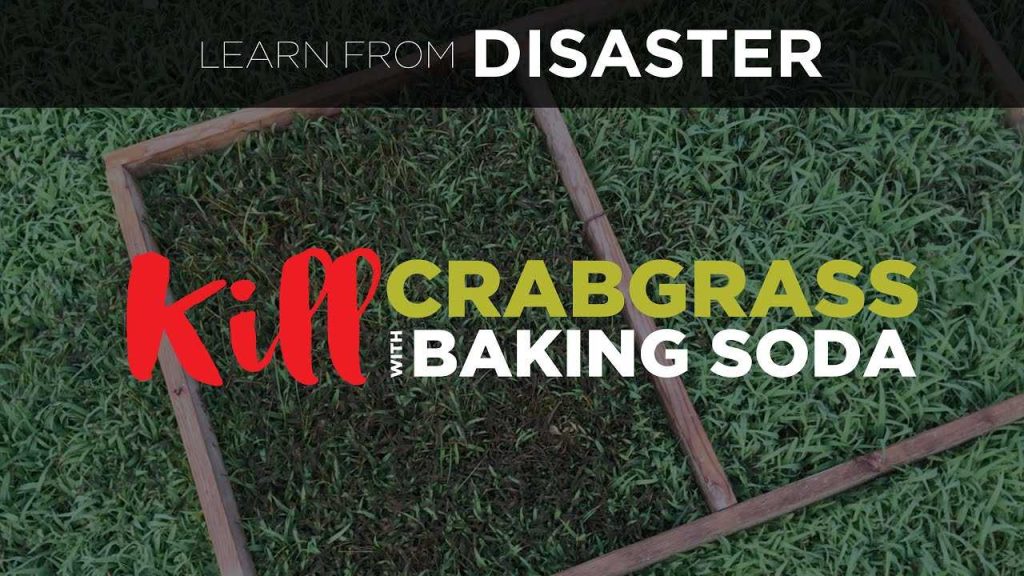
Yes, baking soda can help control crabgrass, but it’s not a foolproof or long-term solution. It works by altering the soil’s pH and creating an environment less friendly for weeds, but it’s best used as a supplementary measure rather than a standalone fix. For effective crabgrass removal, combining baking soda with other weed control strategies yields better results.
If you’re battling crabgrass in your lawn and wondering if baking soda is a quick fix, you’re not alone. Many homeowners look for simple, natural remedies to keep their lawns pristine without harsh chemicals. Baking soda, known for its household versatility, has been suggested as a weed killer, but its effectiveness varies. While it can sometimes suppress crabgrass by changing the soil environment, it’s not a guaranteed method and might require repeated application. Understanding how baking soda interacts with your soil and weeds will help you decide if it’s worth trying or if other weed control options are more suitable for your lawn care routine.

Can Baking Soda Be Used to Kill Crabgrass?
Understanding Crabgrass and Its Impact on Lawns
Crabgrass is a common weed that appears in lawns during warm months. It is known for its fast growth and ability to spread quickly, often taking over areas of healthy grass. Many homeowners seek simple ways to control crabgrass without resorting to harsh chemicals, which is why natural remedies like baking soda are often considered.
What Is Baking Soda and How Does It Work?
Baking soda, or sodium bicarbonate, is a common household item used in baking and cleaning. It is known for its ability to neutralize acids and act as a mild abrasive. Some believe that baking soda can kill weeds by disrupting their growth or changing the soil pH, but the effectiveness varies depending on the weed type and application method.
Can Baking Soda Kill Crabgrass?
The idea that baking soda can kill crabgrass stems from its ability to alter soil conditions. The theory is that adding baking soda to the soil increases alkalinity, which might harm certain weeds. However, scientific evidence supporting baking soda as an effective weed killer, particularly against crabgrass, is limited and inconsistent.
Scientific Perspective on Baking Soda as a Weed Killer
Most studies show that baking soda’s impact on soil pH is minimal unless high quantities are used. These high quantities can harm desirable lawn grass and soil health. Therefore, baking soda is not considered a reliable or safe method for controlling crabgrass in lawns.
Practical Application and Results
Applying baking soda directly onto crabgrass may cause some damage initially due to dehydration or soil alteration, but it is unlikely to eradicate the weed fully. Crabgrass often requires more targeted control methods to be effectively removed from lawns.
Comparison of Baking Soda with Other Crabgrass Control Methods
While baking soda may seem like an easy solution, there are more effective options to manage crabgrass.
Pre-emergent Herbicides
Pre-emergent herbicides are applied before crabgrass seeds germinate. They create a chemical barrier that prevents weed seeds from sprouting and are highly effective when used correctly.
Post-emergent Herbicides
These are used after crabgrass has already emerged. Selective post-emergent herbicides target crabgrass without harming the surrounding lawn grass. They are fast-acting and often provide visible results within days.
Manual Removal
Pulling or digging out crabgrass by hand is a natural and chemical-free approach. It is most effective when done early and consistently, preventing the weed from spreading seeds.
Risks and Limitations of Using Baking Soda
Using baking soda in your lawn carries certain risks.
Soil Imbalance
Applying too much baking soda can raise soil alkalinity excessively, harming grass and beneficial soil organisms. This imbalance can weaken your lawn over time.
Damage to Lawn Grass
Baking soda may cause patches of grass to turn brown or die if applied improperly, leading to an uneven lawn appearance.
Limited Effectiveness
Since baking soda does not specifically target crabgrass roots or seeds, it offers only a temporary or minimal effect and is not a reliable long-term control method.
Best Practices for Controlling Crabgrass
Instead of relying on baking soda, consider these proven methods to manage crabgrass effectively.
Healthy Lawn Maintenance
Maintaining a thick, healthy lawn through proper watering, fertilizing, and mowing can prevent crabgrass from taking hold. Dense grass shades out weeds and reduces seed germination.
Spring and Fall Weed Prevention
Applying pre-emergent herbicides in early spring can stop crabgrass seeds from sprouting. Fall applications can prevent future growth and reduce seed spread.
Proper Watering and Lawn Care
Water your lawn deeply but infrequently to encourage strong root growth. Aerate and overseed to fill in bare patches and improve lawn resilience against weeds.
Alternative Natural Weed Control Methods
If you prefer eco-friendly options, consider these natural weed control techniques.
Vinegar Spot Treatments
While vinegar contains acetic acid and can burn weeds, it is non-selective and might harm surrounding grass. Use it carefully on individual crabgrass patches.
Boiling Water
Pouring boiling water directly onto crabgrass can kill the plant. However, this method is labor-intensive and can damage nearby grass if not applied carefully.
Mulching and Covering
Applying mulch around garden beds and lawn borders helps suppress weed growth, including crabgrass, by blocking sunlight.
Long-Term Crabgrass Prevention Strategies
Prevention is key to keeping crabgrass away from your lawn.
Proper Lawn Maintenance
Regular mowing at the correct height, fertilizing, and watering create a competitive environment for desirable grass, preventing crabgrass invasion.
Seeding and Overseeding
Seeding bare patches with dense turfgrass varieties reduces open space for crabgrass to grow.
Soil Testing and Amendment
Perform soil tests and adjust pH with lime if necessary. Healthy soil supports strong grass growth, making it less inviting for crabgrass.
Summary of Key Points
- Baking soda’s effectiveness against crabgrass is limited and not scientifically proven.
- Overapplication can harm lawn health and soil balance.
- More reliable methods include pre-emergent and post-emergent herbicides, manual removal, and good lawn care practices.
- Natural alternatives like vinegar and boiling water work best on small patches, with caution.
- Prevention through proper lawn maintenance offers long-lasting control.
Although baking soda might seem like a simple solution for crabgrass, its role in weed control is minimal at best. It’s better to use proven methods that target crabgrass effectively while protecting your lawn’s health. Consistency in lawn care and choosing the right control techniques will help keep your yard free from this stubborn weed.
Baking Soda to Kill Crabgrass: What About My "Real" Grass?
Frequently Asked Questions
Is baking soda an effective method to control crabgrass growth?
Baking soda can help suppress crabgrass by creating an alkaline environment in the soil, which may inhibit its germination and growth. However, it is not a foolproof or long-term solution. For better results, combine baking soda with other control methods like proper lawn maintenance and targeted weed removal.
How should I apply baking soda to target crabgrass specifically?
To target crabgrass, sprinkle baking soda directly onto the areas where it appears, especially during the early stages of growth. Use it sparingly to avoid damaging surrounding plants. Mix baking soda with water for easier application, and consider reapplying after rain to maintain its effects.
Are there any risks of using baking soda on my lawn for crabgrass control?
Yes, applying baking soda excessively can harm regular grass and soil health by altering pH levels too much. It may also lead to soil imbalances that can negatively affect other plants. Use baking soda cautiously and in moderation to prevent unintended damage to your lawn.
Can baking soda replace traditional crabgrass preventers or herbicides?
No, baking soda alone cannot replace the effectiveness of traditional herbicides or professional weed control products. While it may help in small areas or as a supplement, relying solely on baking soda is unlikely to eradicate crabgrass entirely. Combining methods provides better control.
What precautions should I take when using baking soda for weed control?
Wear gloves to avoid skin irritation and avoid inhaling baking soda dust. Test a small area first to see how your lawn reacts, and avoid applying during windy conditions to prevent it from spreading to unintended areas. Always follow recommended application guidelines to protect your lawn and environment.
Final Thoughts
Baking soda is often viewed as a natural remedy for various garden issues. However, its effectiveness in killing crabgrass remains limited. While it may temporarily suppress small patches, it isn’t a reliable solution for extensive weed control.
Using baking soda to kill crabgrass can be tempting due to its accessibility and safety. Yet, it typically does not provide a lasting or significant impact on the weed’s growth. Relying solely on baking soda might lead to frustration and continued weed problems.
Can baking soda be used to kill crabgrass? It is unlikely to offer a comprehensive solution. For better results, consider targeted weed control products or manual removal to keep your lawn healthy and crabgrass-free.