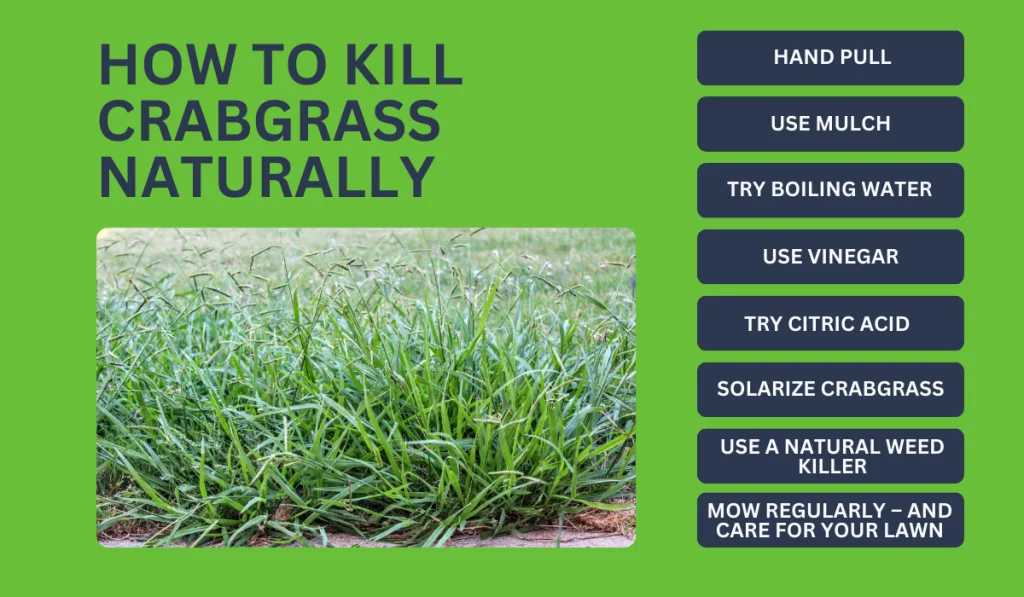
Yes, you can control crabgrass without using chemicals by adopting natural and proactive lawn care practices. These include healthy lawn maintenance, diligent overseeding, and manual removal, which help prevent crabgrass from taking hold and spreading. While it may require more effort, avoiding chemical herbicides is possible and environmentally friendly.
Crabgrass can be managed effectively without chemicals by focusing on creating a thick, healthy lawn that outcompetes weeds. Regular mowing, proper watering, and overseeding are key strategies to keep crabgrass at bay naturally. If you’re looking for an eco-friendly way to maintain your yard, these methods can be just as effective as chemical options.
Getting rid of crabgrass without chemicals is entirely possible with some patience and consistent effort. The key is understanding that healthy turf is the best defense—making your lawn less inviting for invasive weeds. With a few simple, natural practices, you can enjoy a lush, weed-free yard without relying on harsh chemicals.

Can I control crabgrass without chemicals?
Understanding Crabgrass and Why It Becomes a Problem
Crabgrass is a common weed that appears in lawns during the warm months. It spreads quickly and can take over your grass if not controlled early. Its coarse texture and rapid growth make it a challenge to manage without chemicals. Knowing what crabgrass is helps in choosing natural control methods.
Natural Methods to Prevent Crabgrass
Prevention is the best way to keep crabgrass from invading your lawn. Using natural techniques can significantly reduce its chances of taking hold. Here are some effective methods:
Maintain a Healthy Lawn
A dense, healthy lawn makes it difficult for crabgrass to establish itself. Proper mowing keeps grass at the ideal height, which helps shade the soil. This shade prevents crabgrass seeds from sprouting and growing.
Proper Watering Techniques
Water deeply and infrequently to encourage strong grass roots. Shallow, frequent watering creates an environment suitable for weeds like crabgrass. Consistent watering helps your grass outcompete the weed.
Choose the Right Grass Seed
Select grass types that thrive in your climate and soil. Some grasses grow faster and thicker, naturally crowding out weeds. Consult local gardening resources for the best seed options suited for your area.
Controlling Crabgrass Without Chemicals
If prevention wasn’t enough, physical removal and cultural practices can help control existing crabgrass. These methods require patience and consistency but are effective without chemicals.
Hand Pulling and Removing Crabgrass
Pulling crabgrass by hand is simple but requires dedication. Try to remove the weed before it seeds to prevent further spread. Use gloves and tools to make the process easier.
Using Mulch to Suppress Growth
Applying organic mulch around flower beds and garden borders blocks sunlight and prevents crabgrass seeds from germinating. Bark, straw, or wood chips work well for this purpose.
Solarization Technique
Covering the affected area with clear plastic during hot months can kill crabgrass seeds through solar heat. Lay the plastic for several weeks, making sure it’s secured tightly to trap heat underneath.
Adjusting Lawn Maintenance to Control Crabgrass
Consistent lawn care practices also help manage crabgrass naturally.
Mowing at the Correct Height
Keep your grass slightly taller, around 3 inches. Taller grass shades the soil and prevents crabgrass seeds from sprouting. Avoid cutting more than one-third of the grass height at a time.
Fertilizing Properly
Strong, healthy grass needs the right nutrients. Use organic fertilizers and avoid over-fertilizing, which can promote weed growth. Well-fed grass is better at resisting weeds.
Soil Amendments and Improvements
Healthy soil supports strong grass growth, making it harder for crabgrass to take hold.
aerate your lawn
Core aeration reduces soil compaction and improves water and nutrient absorption. Better soil conditions promote dense turf cover, leaving less space for crabgrass.
Adding Organic Matter
Incorporate compost or organic matter to improve soil fertility. Rich soil helps grass grow thicker and outcompete weeds naturally.
Additional Natural Crabgrass Control Tips
Several other practices can aid in crabgrass control without chemicals.
Regular Lawn Inspection
Frequent checks enable early detection of crabgrass. Removing new weeds promptly limits their spread.
Use of Corn Gluten Meal
Some gardeners use corn gluten meal as a natural pre-emergent weed preventer. It can inhibit crabgrass seed germination when applied at the right time.
Addressing Common Challenges
Managing crabgrass naturally can be a slow process, but patience pays off.
Weather Considerations
Timing your weed control practices around warm, moist weather improves effectiveness. Crabgrass thrives in heat, so early action is crucial.
Limit Soil Disturbance
Disturbing the soil can bring dormant crabgrass seeds to the surface. Minimize tilling or digging in affected areas.
Summary of Natural Crabgrass Control Strategies
| Technique | Description | Best Time to Apply |
| — | — | — |
| Maintain Healthy Lawn | Proper mowing, watering, and fertilizing | Year-round |
| Hand Pulling | Remove weeds before seed set | As needed |
| Mulching | Blocks seed germination | During planting or mulching season |
| Solarization | Use heat to kill seeds | Hot summer months |
| Organic Soil Amendments | Improve soil health | Spring and fall |
| Corn Gluten Meal | Pre-emergent weed preventer | Early spring |
Controlling crabgrass without chemicals is entirely possible with diligent lawn care and natural methods. Consistency and patience are key to success. Over time, these practices help create a healthier, weed-resistant lawn.
Your efforts in maintaining good lawn habits and using natural controls will lead to a lush, crabgrass-free yard. Focus on strengthening your grass and disrupting weed growth naturally, and you’ll enjoy a beautiful, chemical-free landscape.
DIY Organic crabgrass control. How to kill crabgrass without using chemicals.
Frequently Asked Questions
What manual methods can I use to prevent crabgrass from spreading?
Regularly inspect your lawn and pull out crabgrass by hand, especially when the weeds are young. Make sure to remove the entire root to prevent regrowth. Using a hand weeder can make this process easier, and it works best after rainfall when the soil is moist. Consistent removal can significantly reduce crabgrass populations over time.
Are there specific lawn care practices that help control crabgrass naturally?
Maintaining a healthy, dense turf helps to suppress crabgrass naturally. Mow your lawn at the proper height for your grass type, water deeply but infrequently, and fertilize appropriately to promote strong grass growth. Aerating your soil can also improve nutrient absorption, creating a less hospitable environment for crabgrass to establish.
Can soil adjustments reduce crabgrass without using chemicals?
Adjusting soil health by amending with organic matter can improve grass vigor, making it more competitive against weeds. Ensuring proper pH levels and avoiding compacted soil help grass develop a dense root system. This natural competition leaves less space and resources for crabgrass to thrive, reducing its presence over time.
Is it possible to prevent crabgrass growth through strategic watering practices?
Yes, watering deeply and infrequently encourages deeper grass roots, making your lawn more resilient. Avoid shallow, frequent watering which can create favorable conditions for crabgrass. Proper watering practices promote a stronger turf, which naturally limits crabgrass establishment.
Are there any eco-friendly products or techniques I can use to control crabgrass without chemicals?
Applying organic mulches like straw or wood chips around garden beds can reduce crabgrass seed germination. Additionally, using corn gluten meal as a natural pre-emergent can inhibit crabgrass growth without toxic chemicals. Combining these methods with proper lawn care enhances your chances of keeping crabgrass at bay in an environmentally friendly way.
Final Thoughts
Controlling crabgrass without chemicals is achievable through consistent lawn care. Maintain a healthy, thick grass to prevent crabgrass from establishing itself. Regular mowing and proper watering create an environment where crabgrass struggles to thrive.
Applying organic mulch and overseeding bare spots also helps suppress weeds naturally. Can I control crabgrass without chemicals? Yes, with dedication and proper techniques, you can keep your lawn crabgrass-free without resorting to chemicals.