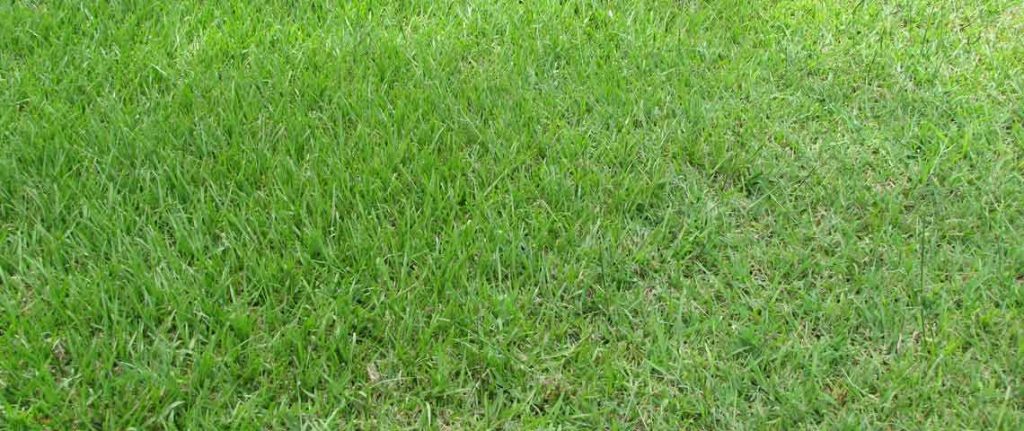
Want to revive your dull Bahia grass and make it lush and vibrant? The secret lies in proper watering, fertilization, and soil health. Giving your Bahia grass the right nutrients and care can transform it into a stunning green carpet in your yard.
**Short answer:** To make Bahia grass greener, ensure consistent watering, apply nitrogen-rich fertilizer, and improve soil quality. Regular mowing and aeration also help promote healthier, more vibrant growth.
If your Bahia grass looks dull or patchy, don’t worry—there are simple yet effective steps you can take. Bahia grass, popular in warmer climates, can sometimes lose its lush green color due to nutrient deficiencies, drought stress, or poor soil conditions. By understanding its specific needs and maintaining proper lawn care practices, you can bring back its natural vibrancy. In this guide, we’ll explore easy tips and tricks to boost your Bahia grass’s health, ensuring it stays lively and attractive all season long.

How to make Bahia grass greener
Understanding Bahia Grass and Its Growing Needs
Bahia grass is a warm-season grass popular in states with hot climates. It is appreciated for its durability and drought resistance. To make it greener, you need to meet its specific growth requirements. Proper knowledge about Bahia grass helps in choosing the right care techniques.
Soil Preparation and Testing
Healthy soil is the foundation for a vibrant, green Bahia grass lawn. Start by testing your soil’s pH level, which should ideally be between 6.0 and 7.0. If the soil is too acidic or alkaline, it affects nutrient availability.
To improve soil health:
- Apply lime if the soil is too acidic.
- Add sulfur to lower alkalinity.
Make sure to aerate your soil frequently to promote root growth and improve water retention.
Proper Watering Techniques
Consistent watering keeps Bahia grass lush and green. It thrives on deep, infrequent watering, which encourages deep root development. During hot, dry periods, water 1 to 2 inches per week.
Guidelines for watering:
- Water early in the morning to minimize evaporation.
- Avoid shallow watering, which can result in shallow roots.
- Adjust based on rainfall and soil moisture levels.
Using a sprinkler system with uniform coverage ensures even watering across the lawn.
Fertilization for a Greener Lawn
Applying the right fertilizers is crucial for vibrant, green Bahia grass. It prefers nitrogen-rich fertilizers to promote lush growth. Use a fertilizer with a balanced ratio such as 3-1-2, focusing on higher nitrogen content.
Fertilization tips:
- Apply fertilizer during the active growing season, mainly spring and summer.
- Follow recommended application rates to avoid over-fertilizing.
- Use slow-release fertilizers for consistent feeding over time.
Remember, over-fertilizing can cause thatch buildup and weak roots, which can dull the grass’s color.
Controlling Pests and Diseases
Pests like grubs and disease issues such as fungal infections can turn a lawn dull and unhealthy. Regularly inspect your Bahia grass for signs of pest activity or leaf spots.
Effective control methods:
- Apply appropriate insecticides if pests are present.
- Maintain proper mowing height to reduce disease susceptibility.
- Remove debris and thatch buildup that harbor pests and fungi.
Healthy, pest-free grass naturally appears greener and more vigorous.
Proper Mowing Practices
Mowing height significantly impacts the health and color of Bahia grass. Keep your grass at about 2 to 3 inches tall to encourage deep roots and a dense, green canopy.
Best mowing practices include:
- Sharpen mower blades regularly for clean cuts.
- Never cut more than one-third of the grass height at once.
- Adjust mowing frequency based on growth rate, which varies with season.
Proper mowing reduces stress and enhances the lawn’s natural green color.
Overseeding and Thatching
Sometimes, thinning areas can turn brown and less vibrant. Overseeding with Bahia grass helps fill in bare spots for a more uniform, greener appearance.
Steps for overseeding:
- Rake and loosen the soil to improve seed contact.
- Spread Bahia grass seed evenly over bare or thin areas.
- Water lightly but frequently until seeds germinate.
Thatch buildup interferes with water and nutrient absorption. Regular dethatching prevents this problem, supporting healthier grass.
Integrating Organic and Natural Practices
Using organic methods reduces chemical buildup and promotes soil health. Compost tea and organic fertilizers provide nutrients in a natural way.
Benefits include:
- Improved soil structure.
- Enhanced microbial activity.
- Healthier, greener grass without chemical stress.
Organic approaches work well with conventional practices for a balanced lawn care routine.
Seasonal Care for Year-Round Greenery
Bahia grass is a warm-season grass that goes dormant during cooler months. Proper seasonal care can extend its green appearance.
In the active season:
- Follow regular fertilization and watering routines.
- Monitor pests and diseases diligently.
During dormancy:
- Reduce watering slightly to prevent fungal issues.
- Avoid fertilizing too late into the season.
Preparing your lawn for seasonal changes keeps it looking its best year-round.
Additional Tips for a Vibrant Bahia Lawn
For the best results, consider these extra practices:
- Maintain proper lawn mowing height consistently.
- Avoid heavy foot traffic on wet grass to prevent compaction.
- Use mulch around the yard to retain moisture and control weeds.
Applying these tips ensures your Bahia grass remains lush and green more consistently.
Common Mistakes to Avoid
Many homeowners make small errors that affect the health and appearance of their Bahia grass. Avoid these pitfalls:
- Overwatering, which can drown roots and encourage disease.
- Using too much fertilizer, which may cause thatch buildup.
- Mowing too short, stressing the grass and dulling its color.
- Neglecting soil testing and amendments.
Being aware of these mistakes helps in maintaining a greener, healthier lawn.
Making Bahia grass greener involves a combination of careful soil management, proper watering, fertilization, pest control, and mowing. Regular vigilance and suitable seasonal practices will keep your lawn vibrant. Remember, consistency is key to achieving and maintaining that rich, lush green color.
How To Care For A Bahia Grass Lawn Part 1
Frequently Asked Questions
What soil amendments can help enhance the color of Bahia grass?
Applying organic compost or soil conditioners rich in nutrients improves soil fertility, which directly influences Bahia grass’s color. Ensuring the soil has proper pH levels, typically between 5.5 and 6.5, creates optimal conditions for healthy growth and vibrant foliage. Conduct a soil test to identify deficiencies and amend accordingly with lime or sulfur to reach the desired pH levels.
How does proper watering influence the greenness of Bahia grass?
Consistent and deep watering encourages strong root development, leading to a healthier, greener appearance. Bahia grass prefers infrequent but thorough watering, typically once or twice a week, depending on weather conditions. Avoid overwatering, as it can cause root rot; instead, focus on maintaining moist soil to support lush growth.
Can fertilization help improve Bahia grass coloration, and if so, what type is best?
Yes, applying a balanced fertilizer with nitrogen promotes lush, green foliage. Use a slow-release nitrogen fertilizer, especially during active growing seasons, to provide steady nutrients. Following the recommended application rates prevents overfeeding, which can lead to excessive top growth at the expense of deep roots. Regular feeding helps maintain vibrant color and overall health.
What mowing practices contribute to a greener appearance in Bahia grass?
Mowing at the correct height, around 2 to 3 inches, encourages dense growth and prevents the grass from becoming too coarse or thin. Avoid removing more than one-third of the grass height at a time, as this stress can dull the color. Regular mowing helps maintain an even, healthy lawn that reflects a rich, green hue.
How can controlling pests or weeds influence the grass’s color intensity?
Managing pests and weeds prevents competition for essential nutrients and water, ensuring Bahia grass receives what it needs to stay green and vigorous. Use appropriate herbicides and insecticides as needed, following safety guidelines. Healthy, pest-free grass naturally exhibits a more vibrant green tone.
Final Thoughts
To make Bahia grass greener, regularly mow at the proper height and avoid cutting too short. Proper watering ensures deep roots and healthy growth, especially during dry periods. Applying nitrogen-rich fertilizer promotes lush, vibrant foliage. Additionally, control weeds that compete for nutrients to maintain a dense, green lawn.
Consistent care keeps Bahia grass healthy and striking. By following these steps, you can achieve a greener, more attractive Bahia grass. How to make Bahia grass greener depends on proper maintenance and nutrient management.