To keep your newly seeded lawn lush and healthy, water it consistently, keep foot traffic minimal, and ensure proper fertilization. These simple steps help establish strong grass roots and promote dense growth. With a little extra care, your lawn will thrive and turn into a beautiful green space in no time.
Maintaining a newly seeded lawn requires patience and attention. Proper watering, protecting it from heavy traffic, and applying the right nutrients are key to getting your grass to develop a deep, healthy root system. By following these essential tips, you’ll give your new grass the best start possible, ensuring it grows thick and vibrant for years to come. Whether you’re a first-time gardener or a seasoned turf enthusiast, understanding these basics will make the difference between a patchy yard and a stunning lawn.

How to Maintain a Newly Seeded Lawn
Understanding the Importance of Proper Lawn Care
Maintaining a newly seeded lawn is essential for ensuring healthy grass growth. Proper care helps the seeds germinate successfully and develop into a lush, green carpet. Without adequate attention, seeds may struggle to grow, resulting in patchy or weak grass.
Preparing Your Soil Before Seeding
Before planting new grass, it is vital to prepare the soil correctly. Start by removing weeds, rocks, and debris from the area. Loosen the soil using a rake or tiller to improve drainage and aeration. Incorporate organic matter or compost to boost soil fertility, which encourages seed growth. Use a soil test kit to check pH levels; most grasses prefer a pH between 6.0 and 7.0. Adjust the pH if necessary by adding lime or sulfur.
Selecting the Right Grass Seed
Choosing the appropriate seed for your climate and soil type is crucial. Consider factors such as sun exposure, drought tolerance, and foot traffic. Read product labels carefully to select high-quality, disease-resistant grass varieties. Mixing different seed types can sometimes provide a more resilient lawn that thrives in various conditions.
Proper Seeding Techniques
Distribute the grass seed evenly across the prepared soil. Use a seed spreader to ensure uniform coverage. Lightly rake over the seeds to press them into the soil surface, which enhances soil contact. Avoid planting too deeply; generally, seeds should be covered with about a quarter-inch of soil or mulch. Water gently but thoroughly after seeding to encourage germination.
Watering Strategies for New Grass
Consistent watering is critical during the germination phase. Keep the soil moist, but not waterlogged, by watering lightly two to three times daily. As grass begins to sprout, gradually reduce watering frequency but increase depth to promote deep roots. Use a fine spray or spray nozzle to avoid displacing seeds or creating puddles.
Maintaining Optimal Soil Moisture
Monitoring soil moisture helps prevent drought stress or overly wet conditions. Insert a finger or moisture meter into the soil to check moisture levels regularly. Covering the seeded area with a light layer of mulch or straw can retain moisture and protect seeds from birds and wind. This layer also regulates soil temperature and prevents erosion.
Controlling Weeds During Establishment
Weeds can compete with new grass for nutrients and water. To minimize weeds, avoid disturbing the soil after seeding. If weeds emerge, remove them carefully without disturbing the young grass. Use herbicides only if necessary and choose those safe for new lawns, following label instructions closely.
Fertilizing Your New Lawn
Applying a starter fertilizer provides essential nutrients for young grass. Use a fertilizer with a balanced ratio of nitrogen, phosphorus, and potassium. Apply it evenly after seeding and follow the recommended amount and timing. Avoid over-fertilizing, as too much can harm newly germinated grass.
Controlling Foot Traffic and Protecting Your Lawn
Limit foot traffic on the freshly seeded area to prevent soil compaction and seed displacement. Use temporary fencing or signage to keep pets and children off the grass. Wait until the grass is well-established before allowing regular activity. Generally, avoid walking on the area for at least four weeks.
Mowing Your New Grass
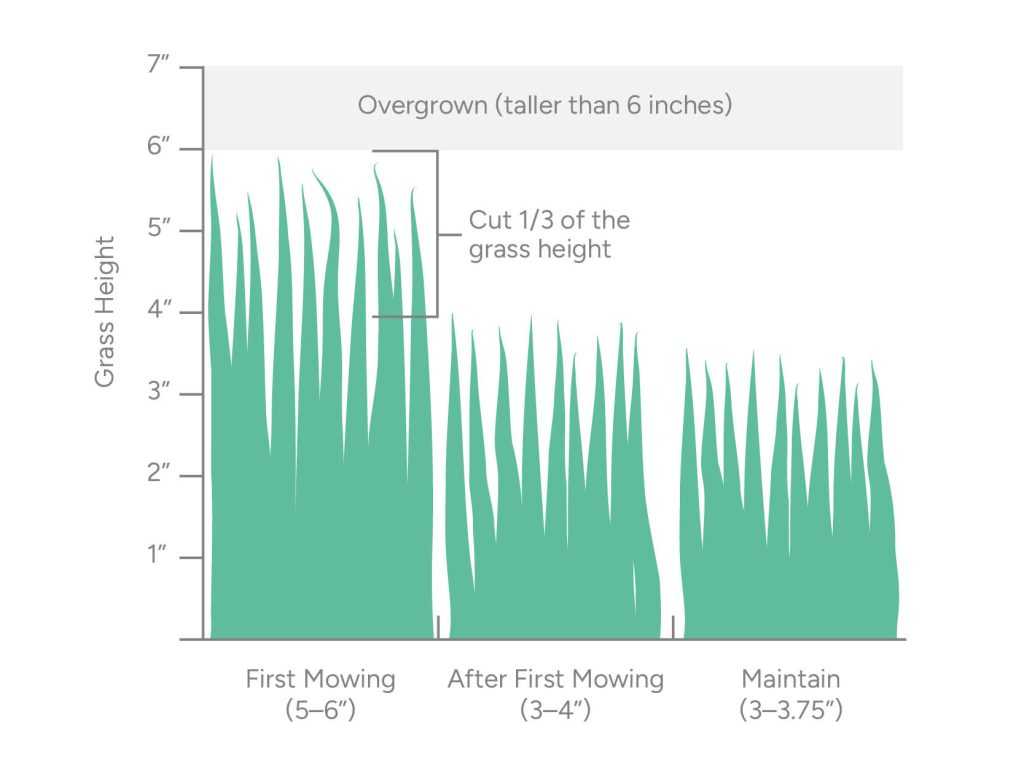
Start mowing only after the grass has reached a height of about 3 inches. Set your mower blades higher than usual to avoid cutting the tender grass too short. Use sharp blades for a clean cut, which promotes healthy growth. Mow regularly, removing only one-third of the grass height at a time.
Dealing with Pests and Diseases
Inspect your lawn regularly for signs of pests or diseases that can hinder growth. Use organic or chemical controls tailored to specific problems, always following product instructions. Remove debris and dead grass to reduce hiding spots for pests and fungi. Proper watering and fertilizing also help prevent disease development.
Taking Care During the First Growing Season
During the initial months, continue consistent watering, mowing, and fertilizing practices. Observe how the grass responds to different weather conditions and adjust care routines accordingly. Aerate the soil lightly if necessary to enhance root development and water absorption.
Long-Term Lawn Maintenance Tips
Once established, your lawn requires ongoing maintenance to stay healthy. Regularly fertilize, aerate, and overseed as needed. Keep up with watering, especially during dry spells, to maintain lush growth. Proper mowing height and thatch management also contribute to a resilient, attractive lawn.
Related Topics
- Best fertilizers for new lawns: Discover the top products that support grass seed germination and early growth.
- How to prevent soil erosion in new lawns: Learn techniques to protect your seeding efforts from washouts and degradation.
- Choosing drought-tolerant grass varieties: Ideal options for regions with limited water resources.
- Seeding in different seasons: Tips for planting during spring, summer, fall, or winter for successful results.
Maintaining a newly seeded lawn requires patience, attention, and proper practices. By preparing the soil correctly, choosing quality seed, watering consistently, and protecting the young grass, you set the stage for a healthy, beautiful lawn. Regular care and maintenance will help your grass grow strong and lush, providing a perfect outdoor space to enjoy for years to come.
Frequently Asked Questions
What is the best way to protect new grass seed from being washed away?
Apply a light layer of mulch or straw over the newly seeded areas to help retain moisture and prevent the seeds from washing away during rain. Keep the soil moist by watering gently and consistently, especially in the first few weeks. This encourages the seeds to settle into the soil securely.
How often should I water my newly seeded lawn to ensure proper growth?
Water your lawn lightly 2 to 3 times per day in the first two weeks to keep the soil consistently moist. As the grass begins to germinate and establish roots, gradually reduce the frequency of watering but increase the depth of each session to promote deeper root growth. Always water early in the morning or late in the evening to minimize evaporation.
What techniques can I use to prevent weeds from competing with my new grass seedlings?
Establish a healthy, dense turf by ensuring proper watering, mowing, and fertilization. Avoid using broad-spectrum weed killers during the initial germination phase to prevent damaging the young grass. Regularly remove any emerging weeds manually or use targeted weed control products once the grass is more established to maintain a clean seedbed.
When should I begin mowing my newly seeded lawn?
Start mowing once the grass reaches about 3 inches in height and has developed a good root system, typically after 3 to 4 weeks. Use a sharp mower blade and set it to a higher setting initially to avoid stressing the young grass. Cutting too early or too low can damage the delicate seedlings, so wait until they are strong enough to handle regular mowing.
How can I avoid compacting soil around my new seedbed?
Avoid walking or placing heavy objects on the newly seeded areas to prevent soil compaction. Use lightweight tools or walk carefully to minimize pressure on the soil surface. If necessary, lightly aerate the soil once the grass is established to improve air and water penetration, promoting healthy root growth.
Final Thoughts
Maintaining a newly seeded lawn requires consistent care. Keep the soil moist with daily watering, especially during the first few weeks. Avoid heavy foot traffic to prevent disturbing the seeds.
Apply a light layer of mulch or straw to protect seeds from birds and harsh weather. Fertilize gently once germination occurs to encourage healthy growth.
How to maintain newly seeded lawn involves diligent watering, protection, and proper fertilization. Following these steps ensures your lawn establishes quickly and stays healthy.