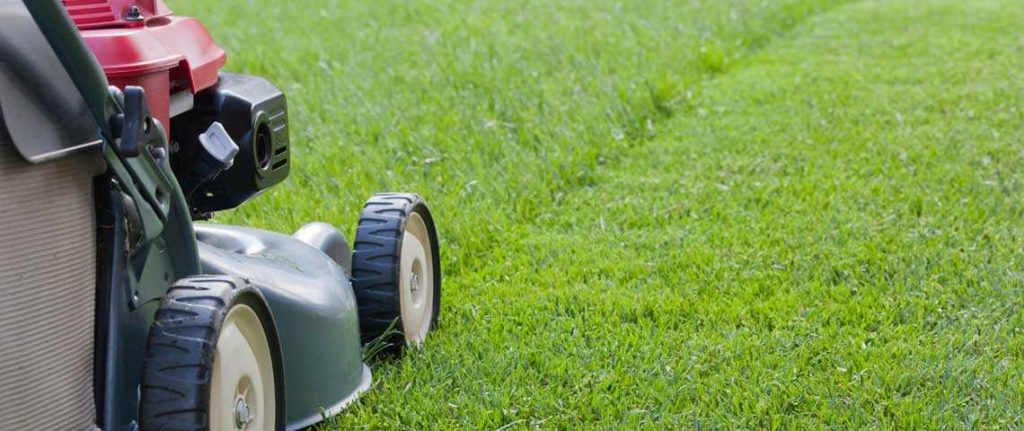
To ensure your lawn mower cuts grass evenly and efficiently, regular maintenance is key. Keep blades sharp, change oil regularly, and clean the mower deck to prevent buildup. These simple steps will improve cutting performance and extend your mower’s lifespan.
In brief, maintaining your lawn mower involves sharpening blades frequently, changing the oil and filters, cleaning the mower regularly, and inspecting parts for wear. Proper upkeep helps achieve a cleaner, healthier lawn and saves you time and money in the long run.
A lush, beautifully cut lawn doesn’t happen by accident; it’s the result of proper mower care. If you want your grass to look its best every season, understanding how to properly maintain your mower is essential. From simple routine checks to more detailed tasks, consistent maintenance ensures your equipment runs smoothly and delivers perfect cuts. Whether you’re a weekend gardener or a lawn care enthusiast, adopting these maintenance habits will keep your mower in top shape and your grass looking its finest.

How to Maintain Lawn Mower for Better Grass Cutting
Maintaining your lawn mower properly can make a big difference in how well it cuts your grass. Regular care ensures the mower runs smoothly and helps keep your lawn looking neat and healthy. Let’s explore the best ways to care for your mower so it performs at its best every time you mow.
Understanding Your Lawn Mower
Before diving into maintenance, it’s helpful to know the main parts of your mower. The engine powers the blades, which cut the grass. Other key components include the air filter, spark plug, blades, and wheels. Familiarity with these parts helps you identify what needs attention during maintenance.
Regular Cleaning of the Mower
Cleaning is essential to prevent grass clippings and dirt from accumulating. After each use, remove grass debris from the blades, deck, and air filter area. Use a brush or a damp cloth to wipe down parts and keep everything free of buildup.
Cleaning the Deck and Blades
- Turn off the mower and disconnect the spark plug wire for safety.
- Use a garden hose to rinse off the deck and blades, removing stuck grass.
- For stubborn dirt, scrub gently with a brush.
- Check that the blades are clean and free of damage before the next mow.
Cleaning the Air Filter
- Remove the air filter following the mower’s manual instructions.
- Inspect it for dirt or damage. Replace if dirty or torn.
- Wash foam filters with soapy water and let them dry completely before reinstallation.
- Reusable paper filters should be tapped gently to remove dirt or replaced if too dirty.
Sharpening and Replacing Blades
Sharp blades cut grass cleanly, preventing ragged edges and promoting healthy growth. Dull blades tear grass, making it more vulnerable to disease. Regularly check blade sharpness and replace blades if they are bent or heavily worn.
How to Sharpen Blades
- Remove the blades following safety procedures.
- Use a file, grinding stone, or blade sharpener to hone the cutting edge.
- Sharpen at the original angle of the blade for best results.
- Balance the blade after sharpening to prevent vibrations during mowing.
When to Replace Blades
- If blades are cracked, bent, or have large chips, replace them immediately.
- Replace blades annually or after about 25 hours of mowing.
- Always install new blades with the correct torque to ensure safety and effectiveness.
Checking and Changing the Oil
Oil keeps the engine running smoothly. Old or low oil can cause the engine to overheat or seize, drastically reducing the mower’s lifespan. Regularly check and change the oil based on manufacturer recommendations.
How to Check the Oil Level
- Park the mower on a flat surface and turn it off.
- Remove the oil fill cap and wipe the dipstick clean.
- Insert the dipstick back in without screwing it in, then remove to check the level.
- Ensure the oil is between the ‘Full’ and ‘Add’ marks.
Changing the Oil
- Drain the old oil into a container through the oil drain plug or by tilting the mower carefully.
- Refill with the recommended oil grade, usually 30 wt or synthetic oil.
- Check the level again and add more if needed.
- Dispose of used oil responsibly at a recycling center.
Inspecting and Replacing Spark Plugs
The spark plug ignites the fuel in your engine, powering the blades. Dirty or worn spark plugs may cause starting problems or rough running. Regular inspection and replacement keep the engine firing smoothly.
Checking Spark Plug Condition
- Remove the spark plug with a wrench.
- Inspect the electrode for deposits or wear.
- If deposits are present, clean with a wire brush.
- Replace if the electrode is worn or damaged.
Replacing the Spark Plug
- Select a spark plug with the correct gap specified by the manufacturer.
- Install it hand-tight and tighten gently with a wrench.
- Reconnect the spark plug wire securely.
- Test the mower to ensure it runs smoothly.
Adjusting the Carburetor
The carburetor controls the fuel flow to the engine. Proper adjustment ensures efficient running and good power. If your mower is hard to start or runs unevenly, adjusting the carburetor may help.
Steps to Adjust the Carburetor
- Locate the carburetor and identify the tension screws—usually labeled ‘L’ (low speed), ‘H’ (high speed), and ‘T’ (idle).
- Start the mower and warm it up.
- Adjust the ‘L’ screw for smooth idling without stalling.
- Adjust the ‘H’ screw for maximum power and smooth running at high speeds.
- Use small adjustments to avoid over-tightening or loosening the screws too much.
Maintaining the Mower Wheels and Drive System
Check that the wheels are turning freely and are not loose. Tighten wheel bolts if needed, and replace worn or damaged wheels. A smooth drive system helps you mow evenly and efficiently.
Troubleshooting Drive Problems
- Inspect drive belts for wear or cracks; replace if necessary.
- Ensure the drive gears are lubricated and free of debris.
- Adjust the tension of drive cables to ensure proper operation.
Storing Your Lawn Mower Properly
After mowing season, clean the mower thoroughly and store it in a dry, sheltered place. Drain fuel or add a fuel stabilizer to keep it fresh for next season. Proper storage prevents rust and extends the life of your mower.
Winterizing Tips
- Remove the spark plug and add a drop of oil into the cylinder before replacing it.
- Run the mower briefly to distribute the oil and shut it off.
- Cover the mower with a protective tarp or store in a shed.
Additional Tips for Better Lawn Mowing
- Change mowing patterns regularly to avoid ruts and promote healthy grass growth.
- Adjust the cutting height according to the grass type and season.
- Avoid mowing when the grass is wet to prevent clogging and uneven cuts.
- Maintain sharp blades for clean cuts and healthier turf.
Consistent maintenance not only helps your lawn mower cut grass more effectively but also extends its lifespan, saving you money and effort in the long run. Regular inspections, cleaning, and part replacements are simple steps that keep your mower in top shape for every mowing session.
Frequently Asked Questions
How often should I inspect and replace the mower blades for optimal cutting performance?
Check the mower blades regularly, ideally after every 10-15 hours of mowing or once a season. Dull or damaged blades can cause uneven cuts and stress the engine. Sharpen blades with a file or grinder, or replace them if they are bent or cracked. Properly maintained blades ensure a clean cut, promote healthy grass growth, and improve overall mowing efficiency.
What is the best way to clean and maintain the mower deck?
Clean the mower deck after each use to prevent grass buildup, which can hinder performance and cause rust. Use a garden hose or a brush to remove debris from the underside. For stubborn clippings, disconnect the spark plug and tilt the mower to access the deck. Regular cleaning promotes proper airflow, extends the mower’s lifespan, and results in a more uniform cut.
How can I ensure the engine runs smoothly during mowing?
Maintain the engine by checking the oil level regularly and replacing it as recommended in the user manual. Keep the air filter clean and replace it if it appears dirty or damaged. Use fresh fuel, especially if the mower has been stored for a while, to prevent engine issues. Regular maintenance of the engine ensures it performs reliably and helps achieve better grass-cutting results.
What steps should I take to adjust the cutting height properly?
Adjust the mower’s cutting height according to the grass type and current conditions. Use the height adjustment levers or wheels to set the blades at the desired height. Check the balance on both sides to ensure an even cut. Proper height settings promote healthy grass, prevent scalping, and improve the appearance of your lawn.
How can I prolong the lifespan of my lawn mower through routine care?
Perform routine inspections and maintenance, such as cleaning, sharpening blades, and changing engine oil regularly. Store the mower in a dry, sheltered area to prevent rust and corrosion. Check belts, spark plugs, and other components for wear and replace them as needed. Consistent care helps keep your mower in good condition, ensuring it continues to cut grass efficiently for years to come.
Final Thoughts
Maintaining your lawn mower ensures a cleaner, more even cut. Regularly check and sharpen the blades to prevent uneven grass. Change oil and clean air filters to keep the engine running smoothly. Keep the deck free of debris and inspect moving parts for wear.
Proper maintenance reduces breakdowns and extends the mower’s lifespan. Consistent care makes lawn mowing more efficient and enjoyable.
How to maintain lawn mower for better grass cutting is essential for a healthy, beautiful yard. Following these simple steps will improve your mowing experience and keep your lawn looking its best.