Quick Answer: Yes, crabgrass can come back every year if not properly controlled.
Have you ever wondered why that pesky crabgrass keeps showing up in your lawn, year after year? It seems like no matter how hard you try to get rid of it, it just keeps coming back. Well, you’re not alone. Many homeowners struggle with this invasive weed and its ability to quickly spread and take over their beautiful lawns.
Crabgrass is an annual weed, meaning it completes its life cycle in one year. However, its ability to produce thousands of seeds that can survive in the soil for several years makes it seem like it’s coming back year after year. These seeds can lay dormant until the conditions are right for germination, which is why you often see crabgrass popping up in the same spots every summer.
In this blog article, we will explore the reasons behind crabgrass’s persistence, the importance of proper lawn maintenance, and effective strategies to keep crabgrass at bay. So, if you’re tired of battling this stubborn weed year after year, keep reading to discover how to take control of your lawn and keep crabgrass from making a comeback.

Does Crabgrass Come Back Every Year?
Crabgrass is a common and persistent weed that can wreak havoc on lawns and gardens. If you’ve ever battled crabgrass before, you might be wondering whether it comes back every year. In this article, we will explore the lifecycle of crabgrass, its potential for re-emergence, and effective strategies for preventing its return.
The Lifecycle of Crabgrass
To understand whether crabgrass comes back every year, it’s crucial to know its lifecycle. Crabgrass is an annual weed, which means it completes its life cycle within a year. Here’s a breakdown of the different stages crabgrass goes through:
1. Germination: Crabgrass seeds lie dormant in the soil during the winter and start to germinate when the soil temperature reaches around 55°F (13°C). Typically, this occurs in late spring or early summer.
2. Growth and Development: Once germinated, crabgrass quickly grows into a small plant with light green leaves and stems that sprawl along the ground. As the days get warmer and longer, the plants continue to grow rapidly.
3. Flowering and Seed Production: By mid-summer, crabgrass starts producing seed heads, containing hundreds of seeds. The seed heads resemble small crab legs, hence the name “crabgrass.” Each plant can produce thousands of seeds, ensuring its survival for future seasons.
4. Dormancy: As the summer temperatures cool down, crabgrass plants begin to decline. By fall, the plants die off, leaving behind seeds that will lie dormant in the soil during the winter months.
Potential for Re-emergence
Now that we understand the lifecycle of crabgrass, let’s address the question of whether it comes back every year. While crabgrass itself is an annual weed, its seeds have a remarkable ability to survive in the soil for multiple years. This resilience can give the appearance that crabgrass is returning year after year.
The seeds of crabgrass can remain viable in the soil for up to three years, waiting for the right conditions to germinate. Factors such as soil disturbance, temperature, moisture, and sunlight all play a role in triggering germination. Therefore, it’s possible to see crabgrass popping up in your lawn even if you haven’t had any infestation for a few years.
It’s important to note that once crabgrass seeds germinate, the new plants are not the same individuals from the previous year. Each germination cycle brings forth new plants from the dormant seeds in the soil.
Preventing Crabgrass Re-emergence
While crabgrass may have the potential to re-emerge each year, there are several effective strategies you can employ to prevent its return. Consistent and proactive lawn care practices can greatly reduce the chances of crabgrass infestations. Here are some tips to keep in mind:
1. Proper Lawn Maintenance: Maintaining a healthy and vigorously growing lawn is the first line of defense against crabgrass. A thick lawn crowds out potential weed growth and leaves minimal room for crabgrass seeds to germinate.
– Mowing: Set your mower to a height of 2.5-3 inches (6-8 cm) to encourage strong grass growth and shade the soil, making it less favorable for crabgrass germination.
– Watering: Water deeply but infrequently to encourage deep root growth in your grass. This will make it more competitive against crabgrass.
– Fertilizing: Regularly fertilize your lawn following recommended guidelines to promote dense growth and overall health.
2. Proper Soil Conditions: Crabgrass thrives in thin or bare patches of soil. Take steps to maintain optimal soil conditions:
– Aerate: Aerating your lawn helps improve soil compaction and allows water and nutrients to reach the grass roots more effectively.
– Overseed: Overseeding fills in bare spots and prevents crabgrass from finding a foothold in your lawn.
3. Timing and Pre-Emergent Herbicides: Applying pre-emergent herbicides is an effective preventative measure. These herbicides create a barrier on the soil surface that prevents crabgrass seeds from germinating.
– Timing: Apply pre-emergent herbicides before crabgrass seeds have a chance to germinate, typically in early spring or late winter.
– Follow Instructions: Read and follow the instructions on the herbicide label carefully to ensure proper application and effectiveness.
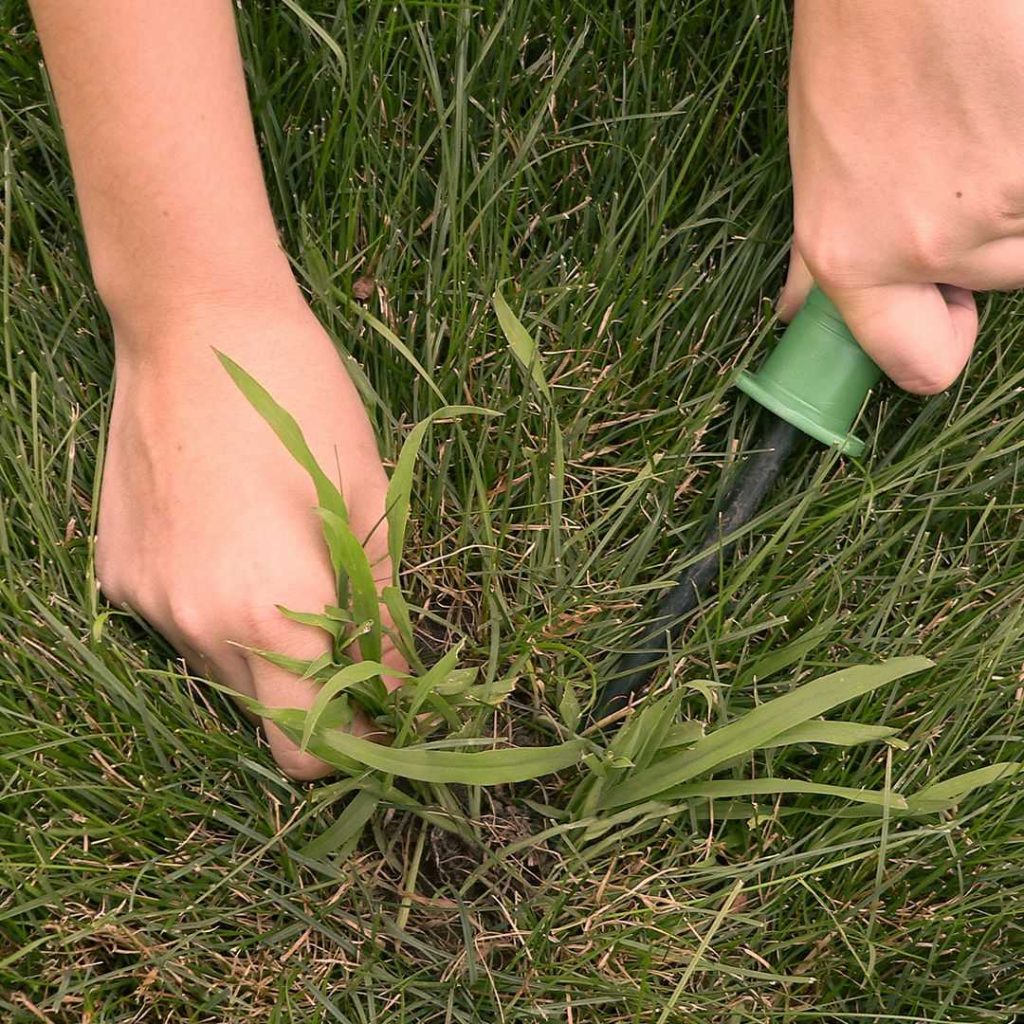
4. Hand Pulling and Spot Treatment: It’s essential to monitor your lawn regularly and manually remove any emerging crabgrass plants. If you spot any crabgrass, use a hand tool to pull it out or apply a targeted post-emergent herbicide to control the specific plant.
By incorporating these practices into your lawn care routine, you can significantly reduce the chances of crabgrass re-emerging year after year.
So, does crabgrass come back every year? While crabgrass itself is an annual weed that completes its lifecycle within a year, its dormant seeds can remain viable in the soil for several years. This resilience enables crabgrass to re-emerge under favorable conditions.
Preventing the return of crabgrass requires a proactive approach to lawn care, including proper maintenance, creating optimal soil conditions, and using preventative measures like pre-emergent herbicides. By following these strategies and staying vigilant, you can minimize the impact of crabgrass on your lawn and keep it looking its best.
How to Get Rid of Crabgrass (4 Easy Steps)
Frequently Asked Questions
Does crabgrass come back every year?
Yes, crabgrass has a strong tendency to come back every year if not properly controlled.
How does crabgrass come back every year?
Crabgrass is an annual weed that reproduces by producing copious amounts of seeds. These seeds can remain dormant in the soil for several years, and when conditions are favorable, they germinate, grow, and produce new plants.
Can crabgrass come back after it is killed?
If not entirely eliminated, crabgrass can come back even after being killed. While removing the visible plants may temporarily solve the problem, the seeds that persist in the soil can lead to the reemergence of crabgrass in subsequent years.
How can I prevent crabgrass from coming back every year?
To prevent crabgrass from coming back every year, it is crucial to implement a combination of strategies. These include maintaining a thick and healthy lawn through proper mowing, watering, and fertilization, as well as using pre-emergent herbicides and practicing good weed management techniques.
Is there a way to permanently get rid of crabgrass?
While it is challenging to permanently get rid of crabgrass, consistent and proactive management practices can significantly reduce its presence. By implementing a comprehensive weed control program that includes both prevention and post-emergent control methods, you can effectively manage and minimize crabgrass growth over time.
When is the best time to control crabgrass to prevent its return?
The best time to control crabgrass and prevent its return is in early spring, just before the weed seeds begin to germinate. Applying pre-emergent herbicides during this period creates a barrier that inhibits crabgrass seedlings from sprouting, effectively reducing its presence throughout the year.
Final Thoughts
Crabgrass is notorious for its ability to return year after year. This resilient weed can quickly spread and take over a lawn if not properly controlled. However, with diligent and consistent efforts, it is possible to prevent crabgrass from coming back every year. Regularly mowing at the correct height, maintaining a healthy lawn through proper watering and fertilizing, and applying pre-emergent herbicides can help keep crabgrass at bay. Additionally, practicing good lawn care habits such as aerating and overseeding can also help to prevent its return. By taking these measures, homeowners can effectively combat the persistence of crabgrass and ensure a healthier and more beautiful lawn.