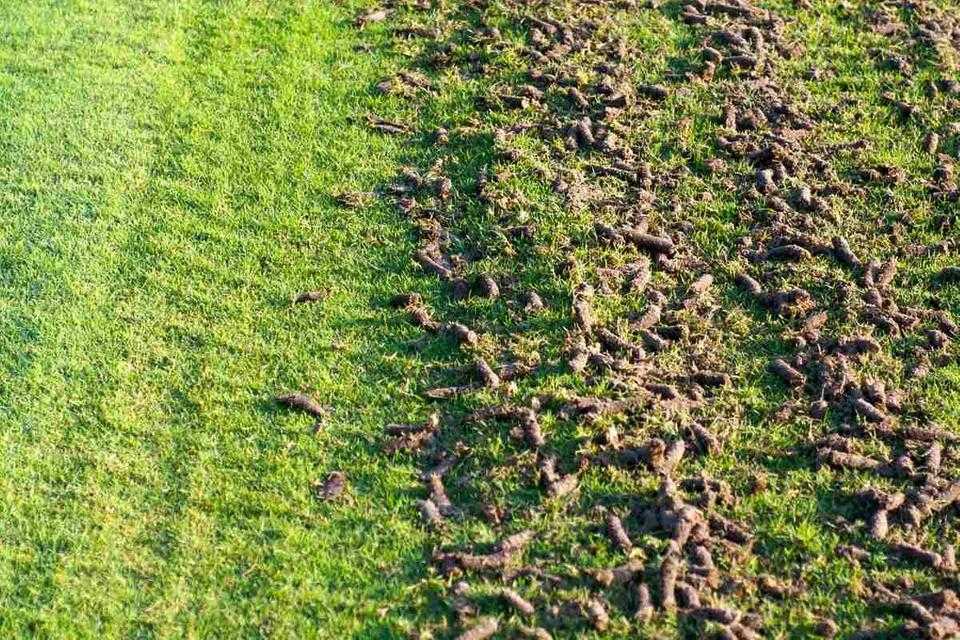
To keep your lawn lush and healthy after aeration, ensure you water it thoroughly to help the soil settle, overseed if necessary to encourage thick growth, and apply a light layer of fertilizer to nourish the roots. Avoid heavy foot traffic on the lawn for a few days to let it recover fully. Regular maintenance, like mowing at the right height and watering consistently, will also enhance recovery and growth.
Maintaining your lawn after aeration is key to maximizing the benefits of the process. It’s a great opportunity to boost grass health by watering diligently, overseeding to fill in any bare spots, and feeding your lawn with appropriate fertilizers. Giving your lawn a bit of extra care during this recovery period will result in a thicker, greener, and more resilient yard.
After aerating your lawn, proper maintenance is essential to ensure the best results. Once you’ve poked holes in the soil to relieve compaction and improve air flow, the next steps involve helping your grass bounce back stronger. This means watering deeply to aid soil settling, spreading seed to fill in thin patches, and applying fertilizer to give plants the nutrients they need. Avoid trampling the area and give your lawn time to recover, which will lead to a healthier, more vibrant yard in the long run. Regular upkeep and patience are your best tools to enjoy a lush, green lawn after aeration.

How to Maintain Lawn After Aeration
Understanding the Importance of Post-Aeration Care
After aerating your lawn, your grass is more receptive to nutrients and water. Proper maintenance helps your lawn recover faster and become healthier. Neglecting this phase can reduce the benefits of aeration and might lead to patchy or thin grass.
Timing Matters: When to Care for Your Lawn
To get the best results, start caring for your lawn immediately after aeration. The ideal time depends on your grass type and climate. Usually, early spring or fall works well for most lawns, as the weather is mild and growth is active.
Watering Your Lawn Effectively
Water is essential after aeration to help nutrients reach the roots. Light, frequent watering encourages deep root growth and prevents the soil from drying out. Make sure to water thoroughly, soaking the soil to a depth of at least 6 inches.
How Often to Water
In the first week after aeration, water your lawn at least twice. During dry spells, you may need to increase watering frequency. Use a rain gauge or check soil moisture with a tool to ensure proper hydration.
Best Practices for Watering
Avoid overwatering, as it can cause water runoff or fungal diseases. Water early in the morning or late in the afternoon to reduce evaporation. A slow, deep soak is more effective than frequent light watering.
Fertilizing Your Lawn After Aeration
Aeration opens up the soil, making it easier for fertilizers to penetrate. Applying fertilizer after aeration provides your grass with nutrients needed for fast recovery and growth.
Selecting the Right Fertilizer
Choose a balanced fertilizer rich in nitrogen, phosphorus, and potassium. Look for slow-release options to provide steady nourishment. Organic fertilizers are also a good choice for eco-friendly lawn care.
Applying Fertilizer Correctly
Spread fertilizer evenly using a broadcast spreader or hand-held spreader. Follow the recommended dosage on the product label. Water the lawn after fertilizing to help nutrients soak into the soil.
Overseeding for Thicker Grass
Aeration creates small holes perfect for overseeding. This process helps fill in thin or bare patches and improves the overall density of your lawn.
Choosing the Right Seed
Select a grass seed suited to your climate and soil type. For example, cool-season grasses like fescue or Kentucky bluegrass work well in northern areas, while warm-season grasses like Bermuda or Zoysia thrive in southern regions.
Steps for Overseeding
Spread seed uniformly over the aerated lawn, focusing on bare patches. Lightly rake to press seeds into the soil and remove debris. Keep the soil moist until new grass establishes.
Top Dressing Your Lawn
Applying a thin layer of compost or topsoil can improve soil quality and promote healthy root growth. Top dressing after aeration helps retain moisture and adds essential nutrients.
Choosing the Right Top Dressing Material
Use compost, peat moss, or a mix of soil and organic matter. Avoid heavy clay or sandy soils that might hinder grass growth.
Application Tips
Spread a layer around ¼ inch thick over the lawn, focusing on areas with poor soil quality. Rake lightly to work the material into the grass and soil. Water afterward to help the nutrients settle.
Mowing and Lawn Maintenance Post-Aeration
Proper mowing helps your grass recover and encourages healthy growth after aeration.
When to Mow
Wait until the new grass seedlings are about 2 inches tall before mowing. This usually takes around one to two weeks depending on grass type.
How to Mow
Use a sharp mower blade set to a height suitable for your grass type. Avoid cutting more than one-third of the grass blade at a time to prevent stress.
Controlling Weeds and Pests
Aeration can make your lawn more vulnerable to weeds and pests if not monitored.
Weed Prevention
Apply a pre-emergent weed control if necessary, especially in early spring. Keep the lawn healthy to reduce weed establishment.
Pest Management
Identify pests early and use appropriate organic or chemical controls. Proper watering and fertilization reduce pest attraction and promote grass resilience.
Regular Lawn Care Practices to Sustain Results
Consistent maintenance is key to maintaining a lush lawn after aeration.
Mowing Trends
Maintain regular mowing schedules, keeping grass at the optimal height for your grass type. This prevents weeds from taking hold and encourages dense growth.
Optional Lawn Treatments
Over time, consider soil testing to adjust fertilization. Aerate again every few years to keep soil health optimal.
Common Mistakes to Avoid
Avoid heavy foot traffic immediately after aeration as it can damage the lawn. Do not skip watering or fertilizing steps, as these are crucial for recovery.
Additional Tips for Lawn Success
Patience is vital; lawns can take time to recover fully. Keep an eye on your grass and adjust your care routine based on its response.
By following these steps, your lawn will heal quickly and stay healthy for years to come. Proper post-aeration care boosts grass growth, improves soil health, and keeps your yard looking lush.
Frequently Asked Questions
How can I best water my lawn after aeration?
After aeration, watering your lawn thoroughly helps the soil absorb nutrients and encourages healthy grass growth. Water deeply to reach the roots, ideally providing about 1 to 1.5 inches of water within the first 24 hours. Keep the soil moist, but avoid overwatering, which could lead to water runoff or fungal issues. Consistent watering in the weeks following aeration supports recovery and growth.
What fertilization practices should I follow post-aeration?
Applying fertilizer after aeration allows nutrients to penetrate deeper into the soil. Use a balanced, slow-release fertilizer and distribute it evenly across your lawn. Water the lawn after fertilizing to help the nutrients move into the soil. Avoid over-fertilizing, as it can stress the grass; instead, follow recommended application rates for your specific grass type.
Are there any mowing tips to consider after aeration?
Lower the mower blade slightly for the first few mowings after aeration to remove any dead grass and reduce stress on the lawn. Be gentle when mowing and avoid cutting more than one-third of the grass height at a time. Regular mowing promotes healthy growth and helps the grass recover quickly from the aeration process.
How can I minimize foot traffic and stress on my lawn after aeration?
Limit foot traffic and heavy use on your lawn during the first couple of weeks after aeration. Excessive wear can hinder recovery and create uneven patches. Encourage family members and pets to stay off the lawn until it shows signs of strong growth, and plan outdoor activities accordingly to give your grass time to heal and establish.
Final Thoughts
Maintaining your lawn after aeration involves regular watering and proper fertilization to support new growth. Keep foot traffic to a minimum to allow the grass to recover fully.
Apply light overseeding to fill bare spots and promote thick, healthy grass. Mowing at the right height and sharp blades also encourages roots to grow deeper.
How to maintain lawn after aeration is crucial for long-term health. Consistent care ensures your yard remains lush and vibrant all season.