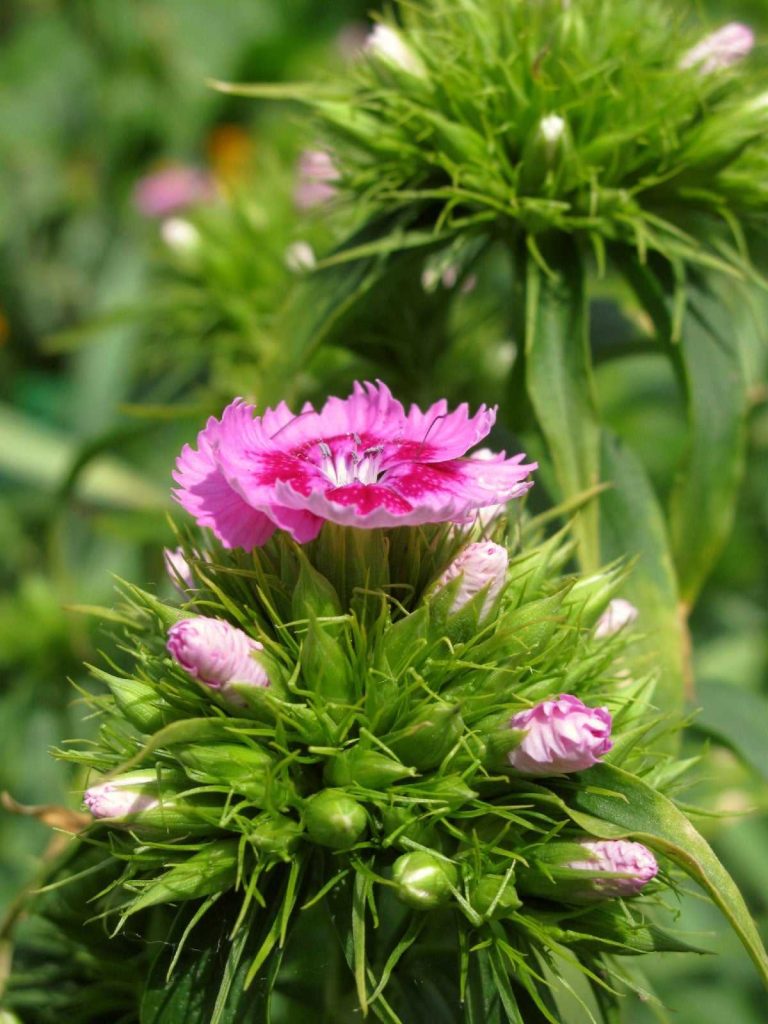
If you’re looking to add some stunning biennial plants to your garden, you’ve come to the right place! Biennials are unique because they take two years to complete their life cycle, often producing beautiful blooms in the second year. The key to successfully planting them lies in understanding their growth habits and needs. Start by choosing the right location with well-drained soil and adequate sunlight. Plant seeds or seedlings in the early spring or late summer, depending on your climate, and remember to space them properly to allow for their growth. Water them consistently, and don’t forget to mulch to retain moisture. With these tips, you’ll be on your way to enjoying a vibrant garden filled with biennial beauty!

“`html
Tips For Planting Biennial Plants
Biennial plants are special flowers that have a unique growing cycle. They take two years to complete their life cycle, blooming beautifully in their second year. Planting them can give your garden a fantastic look. Here are some great tips to help you plant and care for biennial plants effectively.
Understanding Biennial Plants
Before you jump into planting, it is essential to understand what biennial plants are. These plants grow leaves and roots in the first year. They then bloom and produce seeds in their second year. Some common biennial plants include foxglove, hollyhock, and sweet William.
Why choose biennial plants? They provide stunning blooms in the second year, enhancing your garden’s beauty. They can also self-seed, ensuring a lovely surprise in the years to come.
Choosing the Right Time to Plant
Timing is critical when planting biennial plants. Most biennials can be sown in early spring or early fall.
- In spring, plant them after the last frost.
- In fall, sow seeds before the first hard frost hits.
Planting at the right time allows your biennial plants to establish strong roots before the growing season begins.
Selecting the Right Location
Finding the perfect spot in your garden is essential for your biennial plants to thrive. They generally prefer full sun to partial shade.
Consider these factors when selecting a location:
- Sunlight: Most biennial plants need plenty of sunlight.
- Soil quality: Ensure the soil is rich and well-draining.
- Space: Allow enough room for plants to grow, as some can spread quickly.
A well-chosen location will promote healthy growth and vibrant blooms.
Preparing the Soil
Soil preparation is a crucial step in planting biennial plants. Start by clearing the area of any weeds or debris.
Next, improve your soil by adding organic matter like compost or well-rotted manure. This enhancement provides essential nutrients that your plants will need.
Lastly, ensure the soil is well-draining. Biennial plants do not like soggy roots, so a soil mix that allows proper drainage will help them flourish.
Choosing Quality Seeds or Seedlings
When planting biennial plants, selecting quality seeds or seedlings is vital. Always buy from reputable sources to ensure healthy plants.
Look for:
- Healthy seeds without signs of damage.
- Seedlings that are robust and disease-free.
Strong seeds and seedlings will give you a better chance of success in your garden.
Planting Techniques
When it’s time to plant, follow these simple techniques for best results.
1. **Spacing:** Make sure to plant your seeds or seedlings at the correct distance. This spacing helps air circulate around the plants and reduces disease risk.
2. **Depth:** Plant seeds at the recommended depth, usually around 1/4 to 1/2 inch for most biennials.
3. **Watering:** After planting, gently water the area. This initial watering helps settle the soil around the seeds or seedlings.
Following these techniques will ensure that your biennial plants have the best start possible.
Watering Requirements
Regular watering is essential to growing healthy biennial plants. During the first year, keep the soil consistently moist but not soggy.
Consider the following tips for watering:
- Check the soil moisture frequently.
- Water deeply but less often to encourage deep root growth.
- Mulch around plants to retain moisture and suppress weeds.
Proper watering will help your biennial plants survive and thrive.
Fertilizing Biennial Plants
Fertilizing is important for strong growth. In the first year, apply a balanced fertilizer to provide essential nutrients.
Use a slow-release fertilizer during the growing season to promote healthy foliage. In the second year, a boost of fertilizer before blooming will help produce stunning flowers.
Remember to follow the manufacturer’s instructions for the right amount to use.
Pest and Disease Management
Pest and disease issues can affect biennial plants, so being vigilant is important. Regularly check your plants for signs of pests like aphids or caterpillars.
To keep your plants healthy:
- Use insecticidal soap for minor infestations.
- Remove affected leaves promptly.
- Encourage beneficial insects like ladybugs that can help control pests.
Staying proactive will help your biennial plants remain healthy and beautiful.
Encouraging Self-Seeding
Biennial plants can produce seeds in their second year. If you want more plants, allow some flowers to go to seed after blooming.
Here are a few tips for encouraging self-seeding:
- Leave spent flowers on the plant.
- Ensure the area is not overly disturbed.
- Watch for seedlings in the spring.
This natural method of propagation can create a lovely surprise in your garden for seasons to come.
Companion Planting
Companion planting is a great way to maximize your garden’s potential. Some biennials thrive when planted near certain other plants.
Consider pairing these biennial plants:
- Foxglove with roses for a stunning contrast.
- Hollyhock with salvia for added color.
Companion planting can enhance growth, improve pest resistance, and create a visually appealing garden.
Harvesting Seeds
If you want to gather seeds for future planting, learning how to harvest biennial seeds is essential.
Wait until the seed pods are dry and brown before collecting. Here’s how to do it:
- Gently remove seed heads from the plant.
- Allow them to dry completely.
- Store seeds in a cool, dry place until ready to plant.
Collecting seeds can save you money and ensure your favorite biennials return year after year.
Winter Care for Biennial Plants
Biennial plants need winter care to survive their first year. If you live in a colder climate, you may want to protect your plants.
To prepare for winter:
- Mulch around the base of the plants to insulate roots.
- Cover them with burlap or frost cloth if heavy frost is expected.
Taking these steps will help your biennial plants make it through winter strong and ready to bloom in the spring.
Planning Your Garden Layout
A well-planned garden layout can enhance the beauty of your biennial plants. Consider grouping plants with similar needs together.
This approach will not only make your garden look organized but also simplify maintenance.
Plan for color combinations and flowering times to ensure your garden is vibrant throughout the growing season.
Remember to keep pathways clear for easy access to your plants.
Final Thoughts on Biennial Planting
Planting biennial plants can bring your garden to life with stunning blooms and vibrant colors. Following the tips mentioned above will give you the knowledge to successfully plant and maintain these beautiful flowers.
Start with understanding their needs and preparing your garden properly. With a little care and attention, your biennial plants will thrive, returning beauty to your garden for years to come.
“`
What Is A Biennial Plant? – Garden Quickie Episode 33
Frequently Asked Questions
What is the ideal time to plant biennial plants?
The best time to plant biennial plants typically falls in early spring or late summer. This timing gives the plants a chance to establish their roots before the colder months set in. If you plant in early spring, the biennials will grow foliage during their first year and bloom in their second year. When planting in late summer, the plants can establish themselves before going dormant in winter and then thrive in the next growing season.
How should I prepare the soil for biennial plants?
Preparing the soil is crucial for healthy biennial plants. Start by testing the soil pH; most biennials prefer a pH between 6.0 and 7.0. Amend the soil with organic matter, like compost or well-rotted manure, to enhance its fertility and drainage. Ensure the soil is loose and well-aerated to support root development. Tilling the soil to a depth of at least 12 inches will help achieve a suitable growing environment.
What are some common pests or diseases that affect biennial plants?
Biennial plants can fall victim to various pests and diseases, including aphids, slugs, and powdery mildew. Regularly inspect your plants for any signs of infestation or disease. You can combat pests with insecticidal soap or neem oil, while maintaining good air circulation and avoiding overhead watering can help prevent diseases like powdery mildew. Keeping the garden clean of debris also reduces the risk of pests and diseases.
How can I encourage biennial plants to thrive during their second year?
To help biennial plants flourish in their second year, ensure they receive adequate care throughout their first year. This includes consistent watering, especially during dry spells, and regular fertilization with a balanced fertilizer. Mulching can retain soil moisture and regulate temperature, which will support growth in the second year. Additionally, remove spent flowers to promote healthy blooming.
Can I grow biennial plants in containers?
Yes, biennial plants can successfully grow in containers. Choose a pot that is large enough to accommodate the root system, and ensure it has drainage holes. Use a high-quality potting mix to provide necessary nutrients and water the plants according to their needs. Be mindful of the container’s location, as biennials usually prefer full sun to partial shade, depending on their specific requirements.
What are some popular biennial plants to consider for my garden?
Several biennial plants can add beauty to your garden. Popular options include foxglove, hollyhock, and sweet William. These plants not only offer stunning blooms but also attract pollinators, enhancing the overall ecosystem of your garden. Choose varieties that are well-suited to your climate and growing conditions for optimal results.
Final Thoughts
Planting biennial plants requires careful planning and attention to detail. Start by selecting the right location with adequate sunlight and well-drained soil to ensure healthy growth.
Timing is crucial; sow seeds in early spring or late summer to achieve the best results.
Proper watering and mulching help retain moisture and suppress weeds.
By following these tips, you’ll enjoy the vibrant blooms of biennial plants for seasons to come. Remember these Tips For Planting Biennial Plants to enhance your garden’s beauty.