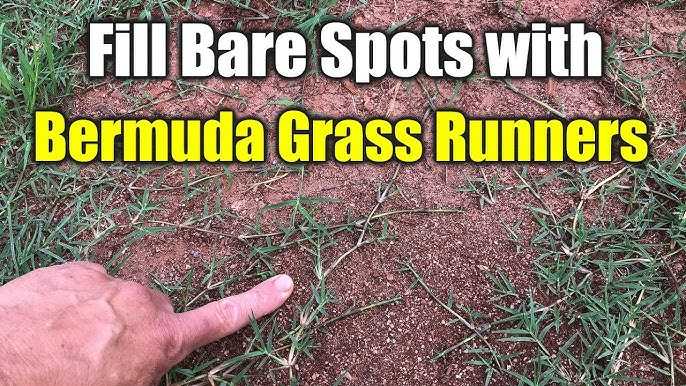
To successfully transplant Bermuda grass, carefully prepare the new site, dig up healthy sections of the turf with as much root as possible, and replant them promptly, ensuring consistent watering and care. This method promotes quick establishment and a lush, green lawn. Transplanting Bermuda grass can be straightforward if you follow proper steps—timing, site preparation, and careful handling are key to ensuring your grass thrives in its new home.
Thinking of relocating your Bermuda grass? It’s a rewarding process that can breathe new life into any yard. Whether you’re expanding your lawn or repairing damaged patches, knowing how to transplant Bermuda grass properly can save you time and money. By understanding the best time to do it, how to prepare your soil, and the right techniques for lifting and planting, you can enjoy a lush, healthy lawn without much hassle. Let’s explore step-by-step how to transplant Bermuda grass and keep your yard looking its best.

How to Transplant Bermuda Grass: A Step-by-Step Guide
Transplanting Bermuda grass can seem like a big task, but with the right steps, it becomes manageable. This process allows you to move healthy grass to a new area or improve your lawn’s overall health. In this guide, you’ll learn everything needed to successfully transplant Bermuda grass and ensure it thrives in its new location.
Understanding When to Transplant Bermuda Grass
The timing of transplanting is crucial for success. Typically, the best period is during the active growing season, which is late spring through early summer when the grass is most vigorous. Avoid transplanting during extreme heat or cold, as these conditions can stress the grass and hinder root development.
- Optimal transplant time: late spring to early summer
- Avoid transplanting during extreme weather conditions
- Ensure the grass is healthy and actively growing before moving
Choosing the Right Location for Transplanting
Select a new spot that offers favorable growing conditions. Bermuda grass prefers full sunlight, well-drained soil, and moderate fertility. Make sure the area is free from weeds, debris, and pests that could compete with the transplanted grass.
- Full sunlight for at least 8 hours daily
- Well-drained soil to prevent waterlogging
- Soil with balanced pH, ideally between 5.8 and 7.0
Preparing the New Site for Bermuda Grass
Preparation involves clearing the area and improving soil health. Remove any weeds, rocks, or old grass remnants. Loosen the soil to a depth of about 4 to 6 inches to help roots establish quickly.
| Preparation Step | Description |
|---|---|
| Clearing | Remove debris, weeds, and old grass |
| Soil Loosening | Till or turn the soil to improve aeration and drainage |
| Soil Amendment | Add compost or organic matter if needed to boost fertility |
Extracting Bermuda Grass for Transplanting
Use a sharp shovel or sod cutter to carefully lift sections of Bermuda grass. Aim for healthy, dense patches that include roots, stolons, and some soil. Keep the sod moist during this process to prevent stress and dehydration.
- Use a clean, sharp shovel or sod cutter
- Cut sections that contain roots and stolons
- Maintain soil moisture during extraction
Transporting the Grass Safely
Place the cut sod sections on a tarp or wheelbarrow to keep them moist and protected during transportation. Cover the sod with a damp cloth if you need to wait before planting to prevent it from drying out.
- Keep the sod moist at all times
- Transport quickly to reduce stress on the grass
- Avoid letting the roots dry out during transit
Transplanting Bermuda Grass into Its New Home
Lay the sod sections onto the prepared soil, pressing firmly to ensure good contact with the ground. Space the patches evenly and avoid overlapping to promote healthy growth. Water thoroughly after transplanting to settle the soil around the roots.
- Place the sod on the prepared soil
- Firmly press to eliminate air pockets
- Water well to help roots establish
Watering and Fertilizing for Successful Transplantation
Proper watering is essential during the first few weeks after transplanting. Keep the soil consistently moist but not waterlogged. Use a balanced fertilizer to support rapid root development and healthy growth.
| Post-Transplant Care | Details |
|---|---|
| Watering | Water daily for the first week, then gradually reduce frequency |
| Fertilizing | Apply a nitrogen-rich fertilizer after two to three weeks |
| Monitoring | Watch for signs of stress or pests and address promptly |
Managing Common Challenges During Transplanting
Several issues may occur during or after transplanting. These include root stress, disease, pests, or uneven growth. Address these promptly by adjusting watering, applying appropriate treatments, and ensuring the grass has enough space and nutrients.
- Prevent fungal diseases by avoiding overwatering
- Control pests with natural or chemical treatments
- Remove dead or damaged patches to encourage new growth
Maintaining Your Bermuda Grass After Transplantation
For a lush, healthy lawn, continue regular maintenance. This includes mowing at the correct height, watering deeply and infrequently, and fertilizing periodically. Proper care ensures the transplants adapt and grow vigorously.
- Mow at a height of 1.5 to 2 inches
- Water deeply about once a week, adjusting for weather
- Feed with a nitrogen fertilizer every 6 to 8 weeks
Additional Tips for Successful Bermuda Grass Transplanting
To improve success rates, consider the following tips. Use high-quality sod to get healthy roots, and avoid transplanting during drought or extreme weather. Patience and consistent care help establish strong, beautiful Bermuda grass patches.
- Select healthy, dense sod patches for transplantation
- Ensure adequate watering without over-saturating
- Be patient; grass needs time to adapt and grow
Related Topics to Explore
- How to Improve Bermuda Grass Growth
- Best Fertilizers for Bermuda Grass
- Common Bermuda Grass Problems and Solutions
- Seasonal Lawn Care Tips for Bermuda Grass
By following these detailed steps and tips, you can successfully transplant Bermuda grass and enjoy a lush, green lawn. Remember that patience and proper care are key to helping your grass adapt and flourish in its new environment.
How to transplant grass | 3 methods for transplanting grass in your yard
Frequently Asked Questions
When is the best time to transplant Bermuda grass for optimal growth?
The best time to transplant Bermuda grass is during the active growing season, typically in late spring or early summer when temperatures range from 75°F to 90°F. Transplanting during this period allows the grass to establish strong roots before cooler temperatures arrive. Avoid transplanting during the peak heat of summer or during periods of drought, as this can stress the grass and hinder successful establishment.
What is the proper method for preparing Bermuda grass for transplantation?
Start by selecting healthy, vigorous Bermuda grass patches with dense roots. Use a sharp shovel or sod cutter to carefully lift the grass along with a portion of soil or root ball. Before planting, loosen the soil in the new location, remove debris, and ensure proper grading to facilitate water drainage. Soak the transplanted grass thoroughly immediately after planting to promote root contact and hydration.
How can I ensure the transplanted Bermuda grass takes hold effectively?
To promote successful transplantation, water the grass consistently to keep the soil evenly moist, but not waterlogged. Avoid heavy foot traffic on the newly transplanted area for at least a few weeks to prevent disrupting root development. Applying a light layer of compost or fertilizer can aid in establishing the grass. Monitor the area regularly for signs of stress or pests, and address any issues promptly to support healthy growth.
What steps should I follow after transplanting Bermuda grass to ensure healthy recovery?
After transplanting, maintain consistent moisture and avoid mowing the grass until it has established a strong root system, usually after 3 to 4 weeks. Gradually reduce watering frequency as the roots take hold. Fertilize lightly to encourage growth, and control weeds that may compete with the new grass. Keep the area free of heavy traffic and ensure good sunlight exposure to support healthy establishment.
Are there any common mistakes to avoid when transplanting Bermuda grass?
Yes, avoid transplanting Bermuda grass during extreme weather conditions, such as high heat or drought, which can stress the grass. Do not skip proper soil preparation or fail to water adequately post-transplanting. Additionally, refrain from transplanting large patches without cutting the grass into manageable sections, as this can hinder root establishment. Overwatering or underwatering can also pose challenges, so maintaining a balanced moisture level is crucial.
Final Thoughts
Transplanting Bermuda grass requires careful planning and execution. Choose a cool, overcast day to reduce stress on the grass. Dig up healthy sections, ensuring you take enough roots to promote quick establishment. Prepare the new area by loosening the soil and adding nutrients for optimal growth.
Replant the grass segments at the same depth they were growing originally. Water thoroughly afterward to help the grass settle in. Keep the soil consistently moist during the first few weeks to encourage strong root development.
In conclusion, to transplant Bermuda grass successfully, follow these steps with attention and care. How to transplant Bermuda grass involves proper timing, preparation, and aftercare to ensure a healthy, thriving lawn.