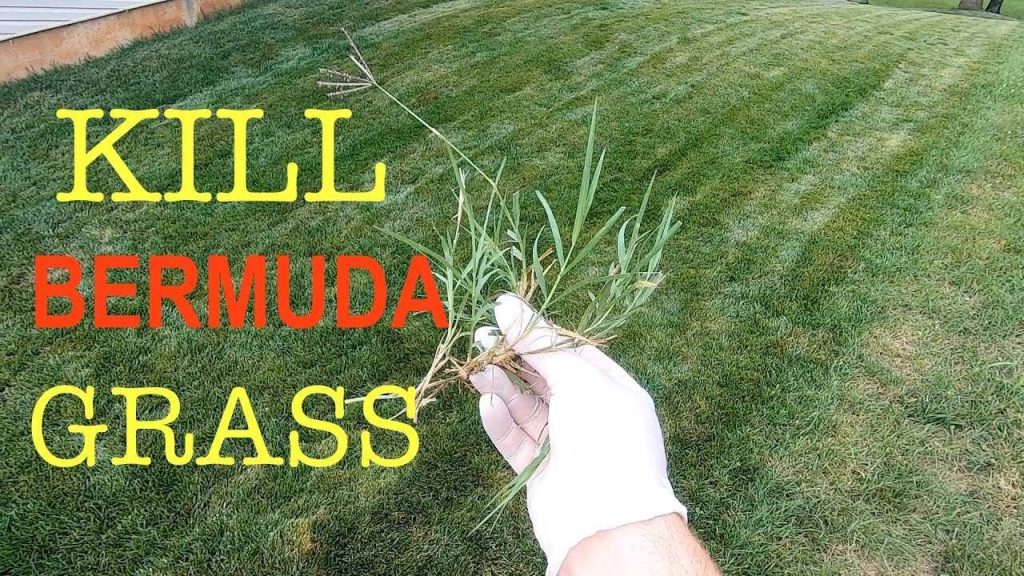
To banish Bermuda grass from your lawn, the quickest approach is to use a combination of selective herbicides and persistent removal efforts. Consistently overseeding with a thick, healthy turf can also help choke out the unwanted grass. For stubborn patches, you might need to dig out the Bermuda grass and replace it with desired turf or landscape.
Bermuda grass can be a tough foe, but with the right strategy, you can reclaim your yard. The key is to target it early, use herbicides carefully, and maintain a healthy lawn that competes with the grass. Regular maintenance and patience are essential to successfully eliminate Bermuda grass and restore your landscape to its lush, desired state.
If Bermuda grass has taken over your lawn and you’re tired of battling it, don’t worry—there are effective methods to get rid of it. Whether you’re dealing with small patches or large areas, understanding its growth habits and applying targeted solutions can help you regain control. Acting promptly and staying consistent with your lawn care routine will make the process smoother and ultimately lead to a weed-free yard.

How Do I Get Rid of Bermuda Grass?
Bermuda grass is a tough, invasive type of grass that spreads quickly and can take over your lawn if you don’t manage it properly. It’s known for its resilience and ability to grow in hot weather, but that makes it difficult to remove once it becomes established. Understanding how to eliminate Bermuda grass effectively can help you regain control of your yard and create a beautiful, weed-free lawn.
Understanding Bermuda Grass and Why It Takes Over
Bermuda grass is a warm-season grass that thrives in hot climates. It spreads mainly through rhizomes and stolons, which are underground and above-ground runners. These features allow it to spread rapidly and outcompete other grasses or plants.
One reason Bermuda grass is so persistent is its ability to grow from small pieces of rhizomes or stolons. Even tiny fragments left in the soil can produce new plants, making removal more challenging. It’s also highly drought-resistant, so it survives in conditions where other grasses might struggle.
Assessing the Extent of the Bermuda Grass Infestation
Before beginning removal, evaluate how widespread the Bermuda grass is. Is it limited to certain patches, or does it cover your entire lawn? Take note of the areas heavily infested, as this will influence your approach.
Use a garden spade or a trowel to dig around the edges of the Bermuda grass patches. Confirm that roots or runners are visible, which indicates active spreading. This assessment helps you plan whether you can manage small areas or need a more aggressive method for large infestations.
Manual Removal Techniques for Bermuda Grass
Hand Pulling and Digging
If the Bermuda grass is confined to small patches, hand pulling can be effective. Carefully dig around the roots and stolons to remove as much of the underground runners as possible. Be sure to get out all the roots to prevent regrowth.
For larger areas, use a shovel or a gardening fork to loosen the soil and lift out the grass. This method requires patience, but it can significantly reduce Bermuda grass if done thoroughly.
Smothering with Cover Crops or Mulch
Smothering involves blocking sunlight to kill Bermuda grass. Cover the affected areas with a thick layer of mulch, cardboard, or black plastic. Leave it in place for several weeks to a few months, depending on how mature the grass is.
This method works best for small patches and when combined with manual removal. It deprives Bermuda grass of sunlight and weakens its roots over time.
Using Herbicides to Eliminate Bermuda Grass
Selecting the Right Herbicide
Herbicides containing glyphosate are effective against Bermuda grass because they kill actively growing plants. Look for products labeled for use on grasses or specifically for Bermuda grass control.
Always read the label carefully to ensure proper application and safety. Be aware that selective herbicides for grassy weeds may not work on actively growing Bermuda grass, so non-selective glyphosate is often preferred for eradication.
Applying Herbicides Safely and Effectively
Apply herbicide on a dry, windless day to prevent drift onto desirable plants. Use a sprayer for even coverage, targeting the leaves and exposed roots.
After application, avoid watering or mowing the area for at least 24 to 48 hours. Repeat the treatment if Bermuda grass regrows, as multiple applications increase success.
Preventing Bermuda Grass from Coming Back
Maintaining a Healthy Lawn
A thick, healthy lawn can prevent Bermuda grass from taking hold. Regularly fertilize and water to promote dense growth of desirable grasses like fescue or Kentucky bluegrass.
A dense lawn leaves less space for Bermuda grass to seed and spread. Mowing at the right height also helps, as taller grass shades the ground and discourages Bermuda grass growth.
Creating a Barrier with Landscape Fabric
For long-term suppression, install landscape fabric over the area. This prevents Bermuda grass from sprouting through the soil. Cover the fabric with mulch or gravel for aesthetic appeal and extra weed suppression.
Dealing with Persistent or Large-Scale Infestations
Combining Methods for Best Results
In tough cases, combine manual removal, herbicide treatment, and covering. Start with physical removal to reduce the bulk of Bermuda grass. Follow with herbicide application to kill remaining roots.
Then, smother any new growth with mulch or plastic for several weeks. Repeating these steps over time gradually weakens the Bermuda grass and prevents regrowth.
Seasonal Considerations
Timing is key. Apply herbicides during peak growth seasons, typically late spring or early summer. This ensures the Bermuda grass absorbs the most herbicide. In fall, focus on removing any remaining rhizomes before winter dormancy.
Professional Help and Additional Resources
If Bermuda grass persists despite your efforts, consider hiring a professional lawn care service. Experts can provide stronger herbicides and more intensive removal techniques. They also offer advice tailored to your specific climate and lawn type.
Many local agricultural extension offices provide resources for weed control and can recommend effective strategies suited to your region.
Summary of Key Strategies to Get Rid of Bermuda Grass
| Method | Description | Best For |
|---|---|---|
| Manual Removal | Dig out rhizomes and stolons carefully | Small patches or targeted areas |
| Smothering | Cover with mulch, plastic, or cardboard to block sunlight | Moderate patches |
| Herbicide Application | Use glyphosate for quick kill of active Bermuda grass | Large infestations or stubborn patches |
| Maintaining Lawn Health | Fertilize and mow properly to discourage Bermuda grass | Prevention and long-term control |
| Cover with Landscape Fabric | Install fabric and top with mulch to block growth | Persistent or large areas |
Getting rid of Bermuda grass takes persistence and a combination of methods. Manual removal combined with herbicides and proper lawn maintenance gives the best chance of success. Regular monitoring and quick action help keep it from coming back, restoring your lawn’s beauty and health.
How to Get Rid of Bermudagrass (as an invasive weed) [DIY Pest Control]
Frequently Asked Questions
What are effective methods to eliminate bermuda grass from a lawn?
To remove bermuda grass effectively, start by manually removing as much of the grass as possible. Use a garden fork or spade to lift out the roots. Apply a non-selective herbicide to targeted areas, following the manufacturer’s instructions carefully. Regularly monitor your lawn and re-treat any new growth to prevent regrowth. Additionally, consider planting a dense, healthy turf to compete with bermuda grass and suppress its spread.
How can I prevent bermuda grass from returning after removal?
After removal, prevent bermuda grass from returning by maintaining a thick, healthy lawn through proper fertilization and watering. Aerate the soil to improve its health and encourage grass growth. Use a shade cloth or plant shade-tolerant grasses if your lawn receives limited sunlight. Regularly monitor the area, and promptly address any new bermuda grass shoots with targeted herbicide or manual removal to keep it at bay.
Are there natural ways to control bermuda grass without chemicals?
Yes, natural methods include smothering bermuda grass with thick layers of mulch or newspaper to block sunlight and inhibit growth. Consistently watering your lawn can promote the growth of desirable grass types, which compete with bermuda grass. Maintaining healthy, dense turf provides natural resistance against bermuda grass encroachment. Manual removal of small patches also helps manage its spread without chemicals.
Final Thoughts
To get rid of Bermuda grass, start by repeatedly pulling out the grass and its roots. Apply a non-selective herbicide to target persistent patches. Improve your soil health with thick, competitive grass or mulch to prevent Bermuda grass from reestablishing.
Consistent maintenance, including mowing and overseeding with desirable turf, helps keep Bermuda grass at bay. Addressing the problem early is essential for effective control.
In conclusion, how do I get rid of Bermuda grass? Focus on persistent removal, herbicide application, and soil management. These steps ensure you effectively eliminate Bermuda grass from your lawn.