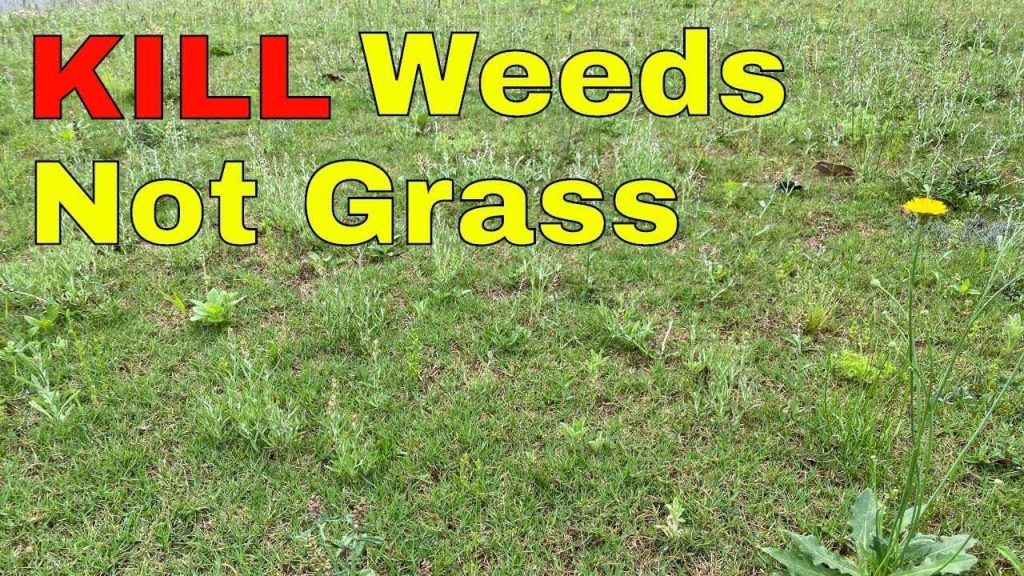
If you’re tired of dealing with stubborn grass and weeds invading your garden or yard, you’re not alone. Getting rid of these uninvited guests can be a real challenge, but there are effective methods to tackle the problem. One quick solution is to use natural herbicides or a mixture of vinegar and salt to effectively kill unwanted plants without harming your soil. Additionally, covering the area with mulch or cardboard can smother weeds and prevent their regrowth. Understanding the best practices for eliminating these pesky plants can help you reclaim your outdoor space, allowing your desired plants to thrive. Let’s explore various techniques and tips to help you effectively kill grass and weeds so you can enjoy a clean and beautiful landscape.

How to Kill Grass and Weeds Effectively
Killing grass and weeds may seem like an easy task, but it requires some knowledge and methods to do it properly. Let’s break down the best approaches to ensure you get the results you want while keeping your garden healthy.
Understanding Grass and Weeds
Grass and weeds can be pesky when they invade space meant for your cherished plants. It’s important to identify the types of grass and weeds before deciding how to eliminate them.
– **Grass Types**: There are many grass varieties. Some are beneficial for lawns, while others can be invasive.
– **Weeds**: Weeds are usually plants that grow in unwanted places. They can be annual or perennial.
Identifying what you are dealing with will help you choose the best method to kill them effectively.
Methods to Kill Grass and Weeds
There are a variety of methods you can use to effectively kill grass and weeds. Let’s explore these options in detail.
Chemical Herbicides
Chemical herbicides are often the go-to choice for many homeowners. They can be very effective in killing grass and weeds without much effort.
– **Selectivity**: Some herbicides target specific types of grass or weeds, allowing you to focus on only the unwanted plants.
– **Application**: It’s important to follow the instructions on the label carefully. Proper application helps to avoid damage to desired plants.
Make sure to wear gloves and a mask when using these products to protect yourself from harmful chemicals.
Natural Herbicides
For those looking for a more eco-friendly approach, natural herbicides can be used. They are generally safer for the environment and often less toxic to pets and humans.
– **Vinegar**: Household vinegar with high acetic acid content can effectively kill weeds.
– **Salt**: Salt can be sprinkled on unwanted plants, but be cautious, as it can affect the soil quality.
Always use these natural options carefully to prevent harm to surrounding plants.
Mulching
Mulching is a great way to suppress grass and weed growth. It involves covering the soil with material that blocks sunlight.
– **Types of Mulch**: Organic mulches like wood chips or grass clippings are great options.
– **Benefits**: Mulching not only reduces weed growth but also retains moisture in the soil.
Layer about 2-3 inches of mulch for the best results.
Hand Pulling
Although it may seem tedious, hand-pulling weeds can be very effective.
– **Timing**: It’s best to pull weeds after a rain. The soil is softer, making it easier to pull the roots out.
– **Technique**: Grab the weed by its base and pull slowly to ensure the roots come out as well.
This method is ideal for small areas and allows you to target specific weeds.
Solarization
Solarization is a technique that uses the sun’s heat to kill grass and weeds.
– **How It Works**: Covering the soil with clear plastic traps heat and raises the temperature of the soil.
– **Duration**: This process takes about 4 to 6 weeks during the hottest months.
Keep in mind that solarization will kill everything under the plastic, so use this method in areas where you want to clear everything.
When to Apply These Methods
Timing is everything when it comes to killing grass and weeds.
– **Spring**: Early spring is an excellent time to apply herbicides. Weeds are actively growing, making them more vulnerable.
– **Fall**: Late summer to early fall is also effective for perennial weeds. They are storing energy in their roots, making them susceptible to treatment.
Plan your approach according to the season for maximum effectiveness.
Maintaining a Weed-Free Area
After successfully killing grass and weeds, you want to maintain your garden. Here are some ways to keep it clean.
Regular Maintenance
Regularly checking your garden for new growth is crucial.
– **Routine Checks**: Schedule a weekly check to pull any new weeds before they spread.
– **Lawn Care**: Keep your lawn healthy and thick, which helps to choke out weeds.
A little maintenance goes a long way in keeping your garden flourishing.
Healthy Soil Practices
Healthy soil is less susceptible to weeds.
– **Composting**: Adding organic matter improves soil structure and fertility.
– **pH Levels**: Testing and adjusting pH levels can create an inhospitable environment for weeds.
Focus on building up your soil’s health for long-term benefits.
Choosing the Right Plants
Choosing the right plants can also help in reducing weeds.
– **Native Plants**: Using native plants can prevent the establishment of weeds as these plants are better adapted to the local environment.
– **Ground Covers**: Consider ground covers to naturally suppress weed growth.
Integrating these plants can create a natural defense against unwanted grass and weeds.
Killing grass and weeds doesn’t have to be a daunting task. By understanding the various methods, when to apply them, and how to maintain your garden, you can achieve a healthy and beautiful outdoor space. Whether you choose chemical herbicides, natural solutions, or manual methods, it’s all about creating the environment you desire. Regular maintenance and healthy practices will keep those pesky weeds at bay and allow your plants to thrive.
DIY Weed Killer that is SAFE and EFFECTIVE
Frequently Asked Questions
What are the most effective methods to eliminate unwanted grass and weeds?
To effectively eliminate unwanted grass and weeds, consider using a combination of manual removal, herbicides, and natural solutions. Manual removal involves pulling up weeds by their roots during moist conditions. Chemical herbicides can target specific plants but should be used carefully to avoid harming desired plants. Natural methods, such as vinegar, salt, or boiling water, can destroy weeds without harsh chemicals, making them safer for the environment.
How can I prevent grass and weeds from returning after treatment?
To prevent grass and weeds from returning, maintain healthy soil and plant cover crops to suppress weed growth. Regularly mulch around your plants to block sunlight and discourage weed germination. Additionally, keep your lawn healthy through proper watering and mowing practices, as a dense turf can outcompete many weeds.
Are there eco-friendly options for controlling grass and weeds?
Yes, there are several eco-friendly options for controlling grass and weeds. You can use natural herbicides made from ingredients like vinegar or essential oils. Boiling water poured directly onto weeds can also be effective. Another option is to use corn gluten meal, which can prevent weed seeds from germinating when applied at the right time.
What should I consider when choosing a herbicide?
When choosing a herbicide, consider the type of weeds you are targeting and whether you want a selective or non-selective product. Selective herbicides kill specific types of plants without harming others, while non-selective options kill all plants they come in contact with. Additionally, evaluate the environmental impact and safety for pets and children when selecting a herbicide.
How often should I treat my lawn for weeds?
The frequency of treating your lawn for weeds depends on the level of infestation and the methods you are using. Generally, a preventive approach with regular maintenance and monitoring should take place throughout the growing season. If using herbicides, follow the manufacturer’s instructions regarding application intervals, typically every 4 to 6 weeks during peak growing months.
What time of year is best for killing weeds and grass?
The best time to kill weeds and grass is during their active growing season, which varies depending on the species. For most broadleaf weeds, early spring or fall is ideal, as they are more susceptible to treatment. Warm temperatures and adequate moisture also enhance the effectiveness of herbicides. Avoid treatment during extreme heat or drought conditions for optimal results.
Final Thoughts
To effectively kill grass and weeds, consider using a combination of methods such as herbicides, boiling water, or salt solutions. Each approach can target unwanted plants while preserving the health of your desired vegetation.
Regular maintenance practices, like mulching and proper mowing, can also help prevent grass and weed growth. Stay consistent with these techniques to ensure long-lasting results.
In conclusion, knowing how to kill grass and weeds is essential for maintaining a healthy garden. Implement these strategies for a cleaner and more enjoyable outdoor space.