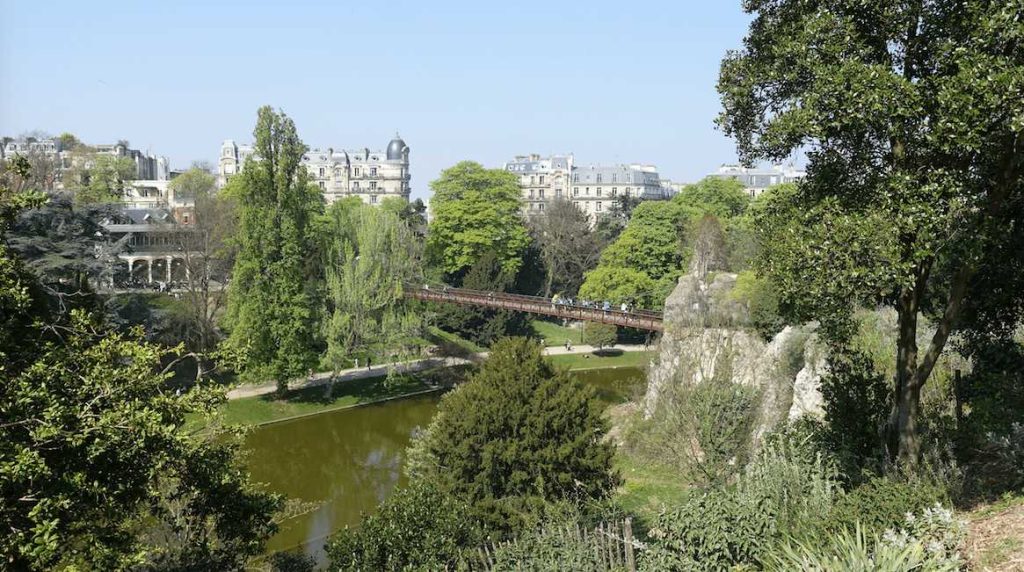
If you’re looking for cities that prioritize green spaces, you’re in luck! Cities with abundant parks, gardens, and natural areas not only enhance the quality of life for their residents but also promote well-being and sustainability. Places like Singapore, Vancouver, and Zurich stand out for their impressive commitment to integrating nature within urban environments. These cities offer a plethora of green areas where people can relax, exercise, and connect with nature. By prioritizing greenery, they have created healthier communities that foster social connections and improve air quality. In this article, we’ll explore these urban oases and more, highlighting what makes them leaders in green space and why it matters for city living.

“`html
Cities With Most Green Space
In today’s fast-paced world, **green spaces** have become essential for urban living. Cities with extensive green areas not only enhance the beauty of their landscapes but also contribute positively to the environment and public health. In this article, we will explore various cities known for their vast green spaces, highlighting the benefits they offer to residents and visitors alike.
Why Green Space Matters
Green spaces play a crucial role in enhancing the quality of life in urban areas. They offer a multitude of benefits, such as:
- Improved air quality
- Reduction in heat stress
- Opportunities for recreation and exercise
- Enhanced mental health and well-being
Cities with ample parks, gardens, and nature reserves provide a refuge from the bustling urban environment. Access to greenery encourages outdoor activities, which promote healthier lifestyles for city dwellers.
Top Cities With Ample Green Space
Let’s take a closer look at some of the cities that prioritize green spaces and why they excel in this area.
1. Singapore
Singapore is renowned for its **abundant greenery**. This city-state has embraced the concept of a **Garden City**, integrating nature into its urban planning. With more than 350 parks and four nature reserves, Singapore boasts 47% of its land area covered in green.
– **Highlights**:
– Gardens by the Bay
– Singapore Botanic Gardens (a UNESCO World Heritage Site)
– Bukit Timah Nature Reserve
Local initiatives promote the planting of trees and the creation of rooftop gardens, further enhancing the city’s lush landscape.
2. Vancouver, Canada
Vancouver is another city that stands out for its commitment to green spaces. Over 230 parks and countless greenways characterize this beautiful city. A dedicated focus on environmental sustainability helps maintain its **natural beauty**.
– **Highlights**:
– Stanley Park (one of North America’s largest urban parks)
– Queen Elizabeth Park
– Pacific Spirit Regional Park
Vancouver’s parks are not just beautiful; they also provide numerous recreational opportunities for residents.
3. Melbourne, Australia
Melbourne has made significant strides in integrating green spaces into its urban environment. The city boasts a stunning variety of parks, gardens, and recreational areas, contributing to a vibrant community life.
– **Highlights**:
– Royal Botanic Gardens
– Fitzroy Gardens
– Albert Park
Each park offers a unique environment, catering to various interests such as picnicking, jogging, and bird-watching.
4. Curitiba, Brazil
Curitiba is often considered a leader in urban planning and sustainability. This Brazilian city has designed expansive parks and green areas that enhance the quality of urban living.
– **Highlights**:
– Parque Barigui
– Jardim Botânico
– Parque Tingui
These green spaces not only provide recreational areas but also serve as vital habitats for local wildlife.
5. Amsterdam, Netherlands
Amsterdam is famous for its picturesque canals and beautiful parks. The city prioritizes green spaces to enhance residents’ well-being and stimulate community interactions.
– **Highlights**:
– Vondelpark
– Amsterdamse Bos
– Westerpark
Green spaces in Amsterdam encourage a culture of biking and walking, promoting a healthier lifestyle for its inhabitants.
Benefits of Urban Green Spaces
Urban green spaces offer tremendous benefits that go beyond aesthetics. The impact on both the environment and the community is significant.
Environmental Benefits
Green spaces play a vital role in combating pollution and improving urban climates. Here are some key environmental benefits:
- **Air Quality**: Trees absorb carbon dioxide and filter pollutants, leading to cleaner air.
- **Biodiversity**: Parks and green areas provide habitats for various species, maintaining local biodiversity.
- **Stormwater Management**: Green spaces help absorb rainwater, reducing the risk of flooding.
These benefits show that urban greenery is essential for a sustainable environment.
Health and Well-Being
Having access to green spaces contributes to the physical and mental health of individuals living in urban areas. Consider these points:
- **Stress Reduction**: Natural surroundings help reduce stress and anxiety.
- **Physical Activity**: Parks encourage outdoor activities such as walking, jogging, and sports.
- **Social Interaction**: Green spaces foster community engagement and social interactions.
These elements contribute to a happier, healthier lifestyle for city residents.
How Cities Are Expanding Green Spaces
Cities around the world are recognizing the importance of green spaces and are taking active steps to expand them. Here are some common strategies:
Community Initiatives
Local communities often play a significant role in enhancing green spaces. Grassroots efforts can lead to improvements in public parks and community gardens.
– **Examples**:
– Neighborhood park clean-up events
– Planting tree initiatives
– Community gardening projects
These initiatives foster a sense of ownership and pride among residents.
Government Policies
Many cities have implemented policies aimed at increasing green spaces. These initiatives often include:
- **Zoning regulations** that require green space in new developments.
- **Funding for park programs** and maintenance.
- **Programs that incentivize** businesses to contribute to green areas.
Governments recognizing the value of green space can lead to sustainable urban planning.
Innovative Urban Design
Urban designers are finding innovative ways to integrate green spaces within city landscapes. Ideas include:
– **Vertical gardens** on buildings
– **Rooftop gardens** that utilize unused spaces
– **Green corridors** that connect parks and natural areas
These designs not only beautify cities but also make efficient use of available land.
Challenges in Maintaining Green Spaces
While increasing green spaces is important, cities also face challenges in maintaining them. Some notable challenges include:
Funding
Budget constraints can hinder the maintenance and development of green areas. Cities must prioritize where funds are allocated, which can impact existing parks and gardens.
Climate Change
Climate change poses a threat to urban green spaces. Increased temperatures and extreme weather events can affect plant life, requiring cities to adapt their management practices.
Urban Development
As cities expand, there is a risk of losing green spaces to new developments. Striking a balance between urban growth and maintaining green areas is a constant challenge.
The Future of Urban Green Spaces
Looking ahead, the future of urban green spaces seems promising. Cities are realizing the importance of integrating nature into urban design.
Smart City Initiatives
Many cities are embracing smart technology to manage green spaces effectively. Solutions such as:
- **Smart irrigation systems**
- **Data collection on park usage**
- **Sensors to monitor plant health**
These technologies help optimize maintenance and improve the user experience in green areas.
More Accessible Green Spaces
Cities are working towards making green spaces more accessible to everyone. This includes designing parks that are inclusive for individuals with disabilities.
– **Features**:
– Wheelchair-accessible paths
– Adapted play equipment for children with disabilities
– Sensory gardens for individuals with sensory processing disorders
These efforts ensure that everyone can enjoy the benefits of urban greenery.
Cities with abundant green spaces are setting the standard for urban living. They offer numerous benefits, from enhancing the environment to improving residents’ well-being. As cities continue to grow, prioritizing green spaces will be vital for sustainable development. By investing in and maintaining these areas, cities can create healthier, happier, and more vibrant communities for all.
“`
The Most Sustainable City In America
Frequently Asked Questions
What are the benefits of cities with abundant green spaces?
Cities with abundant green spaces offer numerous benefits to residents and the environment. These areas improve air quality by filtering pollutants, help reduce urban heat, and promote biodiversity by providing habitats for various species. Green spaces also encourage physical activity, foster social interactions among community members, and enhance mental well-being, making urban areas more livable and enjoyable for everyone.
How do cities maintain their green spaces effectively?
Effective maintenance of green spaces in cities involves regular lawn care, tree pruning, and the management of plant health. City officials often engage in community programs that encourage volunteer participation in gardening and cleaning efforts. Additionally, utilizing sustainable practices like organic fertilizers and native plant species can reduce maintenance costs and promote biodiversity, ensuring these spaces remain vibrant and healthy.
What role do green spaces play in urban planning?
Green spaces play a crucial role in urban planning by contributing to the overall quality of life for residents. Urban planners prioritize the integration of parks and green corridors into city layouts to create accessible recreational areas. This approach helps reduce congestion by providing alternative venues for leisure and promotes sustainable city development, balancing concrete structures with natural elements.
How do green spaces impact property values in cities?
Green spaces can significantly boost property values in urban areas. Properties located near parks and green areas often attract higher prices due to the associated benefits, such as aesthetic appeal, recreational opportunities, and improved living conditions. Homebuyers frequently prioritize access to green spaces, making these surroundings an important factor in real estate assessments.
What types of green spaces are common in urban areas?
Urban areas typically feature a variety of green spaces, including parks, botanical gardens, community gardens, and green roofs. Parks serve as central recreational spots, while botanical gardens focus on plant conservation and education. Community gardens allow residents to grow their own food, promoting sustainability and social interaction, and green roofs help improve air quality and reduce heat in densely populated areas.
How can residents contribute to preserving green spaces in their cities?
Residents can contribute to preserving green spaces through various actions. Volunteering for local clean-up events, participating in tree planting initiatives, and advocating for sustainable practices are effective ways to get involved. Additionally, community members can support local policies that protect green areas and educate others about the importance of maintaining these vital spaces in urban environments.
Final Thoughts
Cities with the most green space prioritize the well-being of their residents and the environment. These urban areas promote healthier lifestyles by providing accessible parks and recreational areas.
Moreover, ample green space contributes to improved air quality, biodiversity, and overall quality of life. As cities continue to grow, investing in green spaces will be essential for sustainable development.
Ultimately, cities with the most green space stand out for their commitment to a healthier, more vibrant urban experience. Embracing nature within city limits enhances community ties and ensures a brighter future.