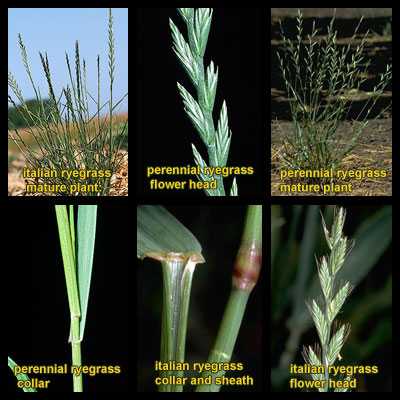
To identify ryegrass quickly, look for its thin, fine-bladed leaves that are shiny and typically have a bluish-green hue. It often forms dense patches and produces distinctive seed heads that resemble bottle brushes. Examining the leaf texture and growth pattern can help distinguish ryegrass from other grasses.
Ryegrass can be identified by its slender, smooth leaves and rapid growth habit. Its seed heads are distinctive, resembling tiny bottle brushes, making it easier to spot once you know what to look for. Recognizing these features helps in managing and controlling this common pasture and lawn grass effectively.
Ryegrass is a popular grass used for lawns, pastures, and sports fields because of its lush growth and resilience. However, identifying it correctly is essential for proper management, especially since it can sometimes be mistaken for other grasses like fescue or bluegrass. The easiest way to recognize ryegrass is by observing its fine, shiny leaves, which often have a bluish tint, and its characteristic seed heads. It grows quickly and forms dense patches, making it stand out in fields and lawns. Whether you’re a gardener, farmer, or sports field manager, knowing how to identify ryegrass ensures you can take appropriate steps for maintenance or control.

How to Identify Ryegrass
Understanding Ryegrass: What It Looks Like
Ryegrass is a popular grass type used in lawns, sports fields, and pastures. It has a distinct appearance that helps in identification. The blades of ryegrass are usually narrow and bright green, giving it a vibrant look. The grass grows in dense clusters, making it look lush and full.
The grass typically forms smooth, soft blades that are easy to distinguish from other types. Its leaves are slender, with a slightly shiny surface that reflects light. These features are the first clues to spotting ryegrass in any area.
Differences Between Perennial and Annual Ryegrass
There are two main types of ryegrass: perennial and annual. They share many similarities but also have key differences. Understanding these helps in identifying the correct type you are dealing with.
Perennial Ryegrass
Perennial ryegrass lives for several years and is well-known for its durability and lush appearance. It has a finer texture and maintains a consistent green color throughout the year. The blades are usually around 2 to 4 millimeters wide and grow in dense bunches.
Annual Ryegrass
Annual ryegrass grows for only one season. It tends to be coarser and may have more variation in color. It also grows rapidly and tends to produce a thinner turf that is less durable. This grass is often used for temporary cover and reveals rapid growth patterns.
Key Features for Identification
To properly recognize ryegrass, focus on specific features that set it apart from other grasses:
- Blade Shape: Narrow, fine blades
- Color: Bright green with occasional darker patches
- Growth Pattern: Dense and tufted, forming full mats
- Texture: Soft and smooth to the touch
- Leaf Sheath: The part of the leaf that wraps around the stem is usually smooth and light-colored
These features are visible with a quick glance but may require closer inspection for certainty.
Practical Tips for Identifying Ryegrass in the Field
Getting a good look at ryegrass in its natural environment is critical. Use these tips to make positive identification:
Check the Blade Length and Width
Hold a small section of the grass and measure the blades if possible. Ryegrass blades are typically between 2 to 4 millimeters in width, making them narrow compared to other grasses.
Observe the Growth Pattern
Look for dense clusters of grass blades. Ryegrass tends to grow close together, which results in a thick turf.
Examine the Color and Shine
Note the bright, vibrant green hue. Ryegrass often exhibits a shiny surface that reflects light.
Test the Texture
Gently run your fingers over the blades. Ryegrass should feel soft and smooth, unlike coarser grasses like fescue.
Inspect the Leaf Sheath and Ligule
The leaf sheath should be smooth and light-colored, with a small, membrane-like structure called a ligule at the junction of the leaf blade and sheath.
Seasonal Growth Patterns and Their Role in Identification
Ryegrass’s growth varies with the seasons. Recognizing these patterns can assist in identification.
Spring and Fall
During these seasons, ryegrass grows vigorously, producing lush, green turf. Its rapid growth makes it stand out among other grasses.
Summer
In hot weather, perennial ryegrass may become less vibrant and more prone to stress. Annual ryegrass, however, continues to grow quickly until the season ends.
Winter
Ryegrass often turns a duller green or enters dormancy. Its growth slows, but the dense turf remains a good indicator of its presence.
Comparing Ryegrass with Similar Grass Types
Several grasses resemble ryegrass, so differentiation is essential.
Poa annua (Annual Bluegrass)
This grass is similar in color but has broader leaves and a more uneven growth pattern. Its seed heads also appear more irregular.
Fescue
Fescue tends to have coarser blades and a darker green hue. It also grows in clumps with a more tufted appearance.
Kentucky Bluegrass
Bluegrass has broader leaves with a bluish tint and a softer texture. It grows in a more spreading pattern compared to the tufted habit of ryegrass.
Using Tools to Aid Identification
Some tools can help confirm your suspicion when identifying ryegrass.
- Magnifying Glass: Reveals fine leaf details and ligules
- Ruler or Caliper: Measures blade width for comparison
- Color Chart: Matches shades for more precise identification
These tools are especially useful for amateur gardeners and field workers.
Common Mistakes to Avoid
Avoid misidentification by being aware of common errors:
- Confusing ryegrass with weeds: Many weeds are similar in color but differ in leaf shape and growth habit.
- Ignoring seasonal changes: Seasonal variations affect appearance, leading to possible confusion.
- Overlooking subtle differences: Small features like ligules and leaf sheaths are key for accurate identification.
Summary of Key Identification Traits
For quick reference, here is a table summarizing ryegrass traits:
| Feature | Description |
|---|---|
| Blade Width | 2 to 4 millimeters |
| Blade Shape | Narrow and fine |
| Color | Bright green |
| Growth Pattern | Dense, tufted clusters |
| Texture | Soft and smooth |
| Leaf Sheath | Light-colored, smooth |
| Ligule | Small membrane, usually less than 1 millimeter |
Recognizing these features ensures confident and accurate identification of ryegrass.
Additional Topics Related to Ryegrass Identification
Beyond basic traits, consider exploring:
Environmental Preferences
Ryegrass prefers well-drained soils and moderate sunlight. Its growth may vary based on soil condition and climate.
Health Indicators
Signs of healthy ryegrass include vibrant green color, rapid growth, and dense coverage. Stress signs include browning or bare patches.
Pest and Disease Identification
Be aware that pests and diseases can alter ryegrass appearance. Look for spots, discoloration, or unusual patterns to assess plant health.
Controlling Ryegrass Growth
If you need to control or remove ryegrass, understanding its growth pattern helps in choosing the right management technique.
By paying attention to these details, you can confidently identify ryegrass and distinguish it from other similar grasses, whether for lawn care, agriculture, or landscaping purposes.
Stop! Identify your GRASS TYPE with these 3 SIMPLE steps! Your lawn care journey must begin here!
Frequently Asked Questions
What are the distinctive physical features of ryegrass foliage?
Ryegrass typically has narrow, bright green leaves with a smooth texture. The leaves often have a fine, linear appearance, and may exhibit a slight glossiness. During the growing season, the leaf blades stand upright and can be somewhat wiry. Recognizing these features helps differentiate ryegrass from other grasses in your area.
How can I identify ryegrass based on its growth pattern?
Ryegrass generally forms dense, low-lying turf with a tufted or bunch-type growth habit. It spreads rapidly through underground stems called rhizomes, creating a thick mat. The grass thrives in cool to moderate temperatures and tends to develop a uniform appearance across the area. Observing this vigorous, spreading growth can help you recognize ryegrass quickly.
What are the key seed characteristics of ryegrass?
Ryegrass seeds are small, typically less than 4mm long, and dark brown to black in color. The seeds have a smooth surface and are attached to a slender, persistent awn or chaff. When the grass flowers, seed heads emerge from the stems, forming fine, cylindrical spikes that aid in identification. Spotting these seed features confirms the presence of ryegrass.
How does the flowering and seed production of ryegrass assist in identifying the species?
During flowering, ryegrass produces distinctive seed heads that resemble narrow, cylindrical spikes or racemes, often reaching a few centimeters in length. The flowering stems are slender and flexible, with flowers that open in a linear sequence. Noticing these seed structures during the appropriate season helps distinguish ryegrass from similar grasses.
Final Thoughts
To identify ryegrass, examine its blade shape and growth pattern. Ryegrass blades are slender, smooth, and typically grow in dense clumps. The plant’s bright green color makes it stand out against other grasses.
Observe the leaf tips for a fine, tapered appearance. Ryegrass produces fine-textured leaves with a prominent midrib. Its growth form is dense and tufted, making it easy to distinguish from other species.
In conclusion, how to identify ryegrass involves noting its fine, bright green blades, dense clumping growth, and tapered leaf tips. These characteristics help differentiate ryegrass from other grasses and ensure accurate identification.