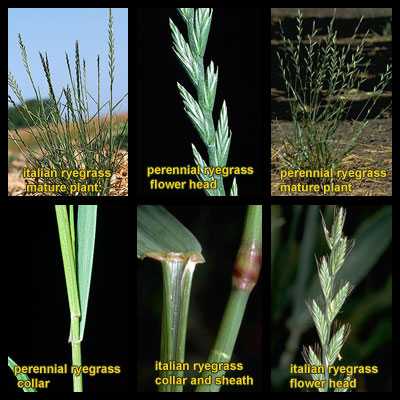
To identify annual ryegrass quickly, look for its fine, bright green leaves, its distinctive seed heads that resemble a cluster of tiny spikes, and its rapid growth in cooler seasons. A simple way is to examine the seed head: if it has a fibrous awn and a compact, spike-like appearance, you’re likely dealing with annual ryegrass.
Annual ryegrass is a common weed and pasture grass that can be tricky to spot at first glance, but catching it early is key to managing its spread. This grass typically emerges in the fall and winter, thriving in moist, well-drained soils. Its narrow, glossy leaves grow quickly, and during flowering, you’ll notice compact seed heads that stand out. Recognizing these features can help you distinguish it from other grasses, ensuring better control or confident identification for your grazing or gardening needs. Whether you’re a gardener or farmer, knowing what annual ryegrass looks like can save you headaches down the line.

How to Identify Annual Ryegrass
Understanding What Annual Ryegrass Looks Like
Annual ryegrass is a fast-growing, cool-season grass that is commonly used for pasture, forage, and erosion control. Its appearance can vary slightly depending on growth conditions, but certain features make it easily recognizable. Generally, it has a bright green color and a fine texture, which helps distinguish it from other grasses.
The plant typically grows to a height of about 18 to 36 inches (45 to 90 centimeters). Its dense, tufted growth habit makes it stand out in fields or lawns, especially during the cooler months when it is most active. Recognizing these physical attributes is the first step in identifying annual ryegrass.
Key Features of Annual Ryegrass
Identifying annual ryegrass involves noting specific features that set it apart. These include:
- Leaf Shape and Size: The leaves are narrow, elongated, and have a smooth, fine texture. They usually measure about 2 to 4 inches (5 to 10 centimeters) long and less than half an inch wide (1 centimeter).
- Seed Head and Flowering: During flowering, annual ryegrass produces a distinctive seed head that is a narrow, open panicle or spikelet. The seed head is usually about 3 to 8 inches (7.5 to 20 centimeters) long and appears in late spring or early summer.
- Color: Bright, vibrant green during active growth stages, sometimes with slight bluish or shiny hues.
Growth Habits and Seasonal Appearance
Annual ryegrass is known for its rapid growth, especially in cooler weather. It germinates quickly, often within a week after planting. During spring and fall, it thrives and develops a lush, dense turf.
In the warmer summer months, growth may slow down or stop, making identification easier as the plant remains greener and more prominent compared to other summer grasses. Recognizing the seasonal growth pattern can help weed control or pasture management efforts.
Typical Root System of Annual Ryegrass
The root system is shallow but extensive, spreading out close to the soil surface. Roots are fine and fibrous, which allows the plant to quickly absorb nutrients and water from the topsoil. This root structure supports rapid establishment and makes the grass particularly competitive in mixed plantings.
Knowing what the root system looks like can be useful during digging or soil examination to confirm identity. It also explains why annual ryegrass is effective at preventing erosion on slopes or disturbed areas.
Differences Between Annual Ryegrass and Similar Species
While annual ryegrass shares characteristics with other grasses like perennial ryegrass, fescue, or wheatgrass, certain features help tell it apart:
| Feature | Annual Ryegrass | Perennial Ryegrass | Fescue | Wheatgrass |
|---|---|---|---|---|
| Growth Habit | Tufted, fast-growing | Tufted, persistent | Bunch-type, coarser | Clump-forming, finer |
| Seed Head | Narrow panicle, open | Similar, but more upright | Less prominent seed head | Different seed structure, more upright |
| Leaf Texture | Fine and smooth | Similar, but perhaps darker green | Coarser | Finer, softer leaves |
Recognizing these differences ensures accurate identification and helps in planning proper management strategies.
Using Visual Aids and Tools for Identification
Visual aids such as photographs, plant identification apps, and field guides are valuable in confirming the presence of annual ryegrass. Comparing plants in the field with detailed images and descriptions increases confidence in identification.
Additionally, collecting a sample and examining it under a hand lens can reveal finer details like leaf venation, seed head structure, and root characteristics. Using these methods together provides a comprehensive approach to identification.
Checking for Seed Head Development
One of the most reliable identification markers is the seed head. Annual ryegrass produces a distinctive open, narrow panicle seed head that appears during flowering.
In early stages, you might notice the grass during its vegetative phase. As it matures, the seed head becomes more prominent, helping confirm the species. Observing the seed head at different growth stages ensures precise identification.
Seasonal and Environmental Factors Impacting Identification
Environmental conditions influence how annual ryegrass looks. Cooler temperatures promote lush, vibrant growth, making it easier to spot. Drought or heat may cause it to turn slightly brown or reduce its size temporarily.
Understanding these factors helps in timing inspections. For example, identifying annual ryegrass in early spring or fall is usually easier due to its vigorous, green growth.
Additional Tips for Accurate Identification
To accurately identify annual ryegrass, consider these tips:
- Compare multiple features such as leaf shape, seed head, and growth habit.
- Use a magnifying glass to examine small details like leaf veins and seed structure.
- Consult local plant guides or extension services for region-specific identification tips.
- Practice identifying the grass in various stages of growth and different seasons.
Combining hands-on examination with visual aids and knowledge of growth patterns ensures the best chance of correct identification.
Being able to recognize annual ryegrass involves observing its physical features, growth habits, and seasonal appearances. Its bright green, fine-textured leaves, and distinctive seed heads are key clues. Understanding these details equips land managers, farmers, and gardeners to identify this grass accurately and manage it effectively when necessary.
Annual Ryegrass Identification
Frequently Asked Questions
What are the key physical traits to identify annual ryegrass?
Annual ryegrass typically has slender, bright green leaves with a shiny appearance. Its stems are smooth and prostrate, often forming dense patches on the soil surface. The plant produces narrow, elongated seed heads that can resemble fine, hair-like structures. These characteristics make annual ryegrass distinguishable from other grass varieties, especially during the active growing season.
How can I differentiate annual ryegrass from similar weed species?
Compared to other grasses, annual ryegrass has more prominent, fine seed heads and a softer texture. Its leaves are generally narrower and have a glossy surface. Unlike some weed species with rougher or broader leaves, annual ryegrass maintains a consistent bright green color and shorter stature, which helps in identification. Observing the growth pattern and seed head structure provides further clues to differentiate it from other plants.
When is the best time to identify annual ryegrass in the field?
The optimal time to identify annual ryegrass is during its active growth phase in early to late spring and fall. During this period, the plant exhibits vigorous growth, and its seed heads are developing or fully formed. Spotting the plant early helps in managing its spread effectively, especially because it tends to germinate quickly and establish dense patches during favorable weather conditions.
What planting conditions indicate the presence of annual ryegrass?
Annual ryegrass thrives in moist, well-drained soils with moderate fertility levels. It often appears after rainfall or irrigation, especially in areas where the soil remains moist for an extended period. Fields with disturbed soil or recently cultivated land also provide ideal conditions. Recognizing these environmental factors alongside visual cues helps in confirming the presence of annual ryegrass.
Are there specific seed characteristics to look for when identifying annual ryegrass?
Yes. The seeds of annual ryegrass are small, elongated, and usually shiny. They are dark brown to black in color and have a smooth surface. The seed head produces numerous tiny seeds that are easily distinguishable under close inspection. Observing seed size, shape, and color can be valuable for accurate identification, especially when the plant is mature and seed heads are present.
Final Thoughts
To identify annual ryegrass, examine its growth pattern and leaf characteristics. The plant typically has narrow, dark green leaves and grows quickly in cool seasons. Its seedheads appear slender and spike-like, usually in spring or fall.
Pay attention to the timing; annual ryegrass germinates in cooler weather and completes its life cycle within a year. Spotting these features helps distinguish it from similar grasses.
In conclusion, understanding how to identify annual ryegrass involves observing its growth habits, leaf shape, and seasonal appearance. Recognizing these signs ensures accurate identification and effective management.