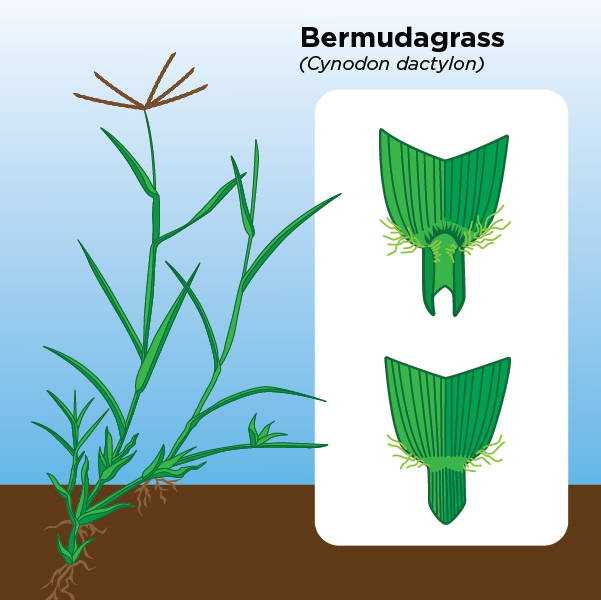
Identifying Bermuda grass isn’t as tricky as it may seem; look for its short, dense growth and bluish-green hue. This warm-season grass thrives in sunny areas, making it a popular choice for lawns and sports fields. If you notice a grass type with fine, wiry blades that spread aggressively through stolons and rhizomes, you’re likely dealing with Bermuda. Another telltale sign is the grass turning brown in cooler months, which is normal for this type. In this article, we’ll dive into the distinctive characteristics of Bermuda grass, helping you recognize it with confidence. Whether you’re a homeowner looking to maintain your lawn or a gardener wanting to identify this resilient species, you’ll find all the information you need right here.

“`html
How to Identify Bermuda Grass
Identifying Bermuda grass can be simple once you know what to look for. It is a popular choice for lawns, sports fields, and golf courses due to its resilience and adaptability. This article will guide you through the distinctive features of Bermuda grass, helping you recognize it with confidence.
Characteristics of Bermuda Grass
Bermuda grass has several identifying characteristics that set it apart from other grass types.
- Leaf Shape: The leaves are narrow and have a pointed tip.
- Color: It typically exhibits a rich green hue, especially during its growing season.
- Texture: The surface is fine to medium in texture, feeling soft to touch.
Recognizing these qualities can make the identification process easier.
Growth Patterns
Bermuda grass grows in a unique manner. It spreads by both seeds and underground rhizomes.
- Rhizomes: These are horizontal underground stems that help the grass spread efficiently.
- Stolons: Above-ground runners that help it cover more area quickly.
You’ll often see Bermuda grass forming dense mats, particularly in sunny locations.
Optimal Conditions for Growth
Understanding where Bermuda grass thrives can assist in your identification efforts.
- Sunlight: Full sun is essential, as Bermuda grass requires at least 6-8 hours of sunlight daily.
- Soil Type: It prefers well-drained soils with good fertility.
- Climate: Grows best in warm climates, ideally in USDA zones 7-10.
If you notice grass growing in these conditions, it is likely Bermuda grass.
Seasonal Changes
Seasonal variations can also help with identification.
- Spring: Bermuda grass turns green and starts to grow as temperatures rise.
- Summer: It reaches peak growth, filling in bare spots effectively.
- Fall: The grass will start to turn brown as it goes dormant.
- Winter: During colder months, Bermuda grass can lose its color and appear brown.
Observing these seasonal patterns can further confirm your suspicion of Bermuda grass.
Common Uses for Bermuda Grass
Knowing where Bermuda grass is commonly found can aid in identification.
- Lawns: It is often used for residential lawns due to its durability.
- Sports Fields: Frequently seen on football and soccer fields.
- Golf Courses: Popular for tees and fairways because it tolerates foot traffic.
If you spot a grass type in these settings, Bermuda grass might be the one.
Bermuda Grass vs. Other Grass Types
Understanding how Bermuda grass compares to other grass types can clarify your identification process.
Comparison with Zoysia Grass
- Growth Habit: Zoysia spreads slower than Bermuda grass.
- Sunlight Needs: Zoysia tolerates shade better than Bermuda grass.
Comparison with Fescue Grass
- Seasonality: Fescue is cool-season grass, thriving in cooler temperatures.
- Texture: Fescue generally has a coarser texture than Bermuda grass.
Being familiar with these differences can enhance your identification skills.
Identifying Bermuda Grass by Seed
The seeds of Bermuda grass can also serve as identification markers.
- Seed Appearance: The seeds are small, round, and light brown.
- Seed Spread: It is common to find Bermuda grass seeds in lawns and parks during the growing season.
If you come across seeds that match this description, it may be Bermuda grass.
Visual Identification Techniques
Using visual techniques can be a practical way to identify Bermuda grass quickly.
- Look at the Leaf: Check for a pointed tip and a narrow leaf blade.
- Examine the Roots: Inspect for rhizomes when digging a small area of grass.
These methods can help confirm your identification in the field.
Testing for Bermuda Grass
Sometimes, conducting a simple test can help identify Bermuda grass accurately.
- Pull Test: If the grass pulls away easily, it may be Bermuda grass due to its shallow root system.
- Color Test: Analyze the grass color, observing different areas for uniformity.
These tests can offer additional confirmation.
Resources for Identification
Utilizing various resources can expand your knowledge on Bermuda grass.
- Field Guides: Look for local lawn care or landscaping guides.
- Online Resources: Websites and forums dedicated to gardening can provide valuable insights.
Leveraging these materials can aid you in becoming more proficient at identifying Bermuda grass.
Caring for Bermuda Grass After Identification
Once you’ve identified Bermuda grass, caring for it properly should be your next step.
- Mowing: Keep the height between 1-2 inches for optimal health.
- Watering: Ensure it receives about an inch of water per week during dry spells.
- Fertilizing: Apply nitrogen-based fertilizers during the growing season.
Proper care will maintain the beauty and health of your Bermuda grass.
Bermuda grass is a resilient and advantageous grass type, making it an excellent choice for many settings. By understanding its unique features and growth patterns, you can confidently identify it in your surroundings. Whether in your backyard, a public sports field, or a golf course, knowing how to recognize Bermuda grass will enhance your gardening experience.
Keep an eye out for its rich green color, narrow leaves, and mat-like growth, and you’ll easily spot this popular grass variety. Embrace the insights shared in this article to cultivate your identification skills effectively.
“`
Bermuda Grass: Part 1, Identification
Frequently Asked Questions
“`html
What are the key physical characteristics of Bermuda grass?
Bermuda grass typically features fine-textured blades that are around 1 to 2 inches long. The leaves have a rich green color and a slightly glossy appearance. Additionally, Bermuda grass tends to grow in a dense, spreading pattern, often forming a carpet-like effect on the lawn.
During which season does Bermuda grass thrive the most?
Bermuda grass grows best during the warm months. It thrives in temperatures between 75°F and 100°F (24°C to 38°C). You will notice it turning brown and becoming dormant during the cooler fall and winter months.
How does Bermuda grass reproduce?
Bermuda grass can reproduce through both seeds and vegetative methods. It often spreads through underground rhizomes and above-ground stolons, allowing it to establish quickly in a variety of environments. This adaptability makes it a popular choice for lawns, sports fields, and golf courses.
What distinguishes Bermuda grass from other grass types?
Bermuda grass stands out for its quick growth rate and ability to tolerate drought better than many other grass varieties. Its resilience makes it suitable for high-traffic areas, where it can recover quickly from wear and tear. Additionally, its color and texture set it apart from fescue and bluegrass.
How does sunlight affect the growth of Bermuda grass?
Bermuda grass requires full sun to flourish optimally. It thrives in areas that receive at least 6 to 8 hours of direct sunlight per day. Insufficient sunlight can lead to thinning and weak growth, making light exposure crucial for maintaining a healthy lawn.
“`
Final Thoughts
To identify Bermuda grass, observe its distinct characteristics. This grass type features a fine texture and a rich green color, thriving in sunny environments. Its leaves are narrow and may have a slightly serrated edge, while the plant grows densely, forming a lush carpet-like appearance.
Additionally, Bermuda grass spreads quickly through underground rhizomes and above-ground stolons. Pay attention to its growth pattern and resilience in heat, making it a popular choice for lawns and sports fields. Knowing how to identify Bermuda grass will help you maintain a healthy and vibrant lawn.