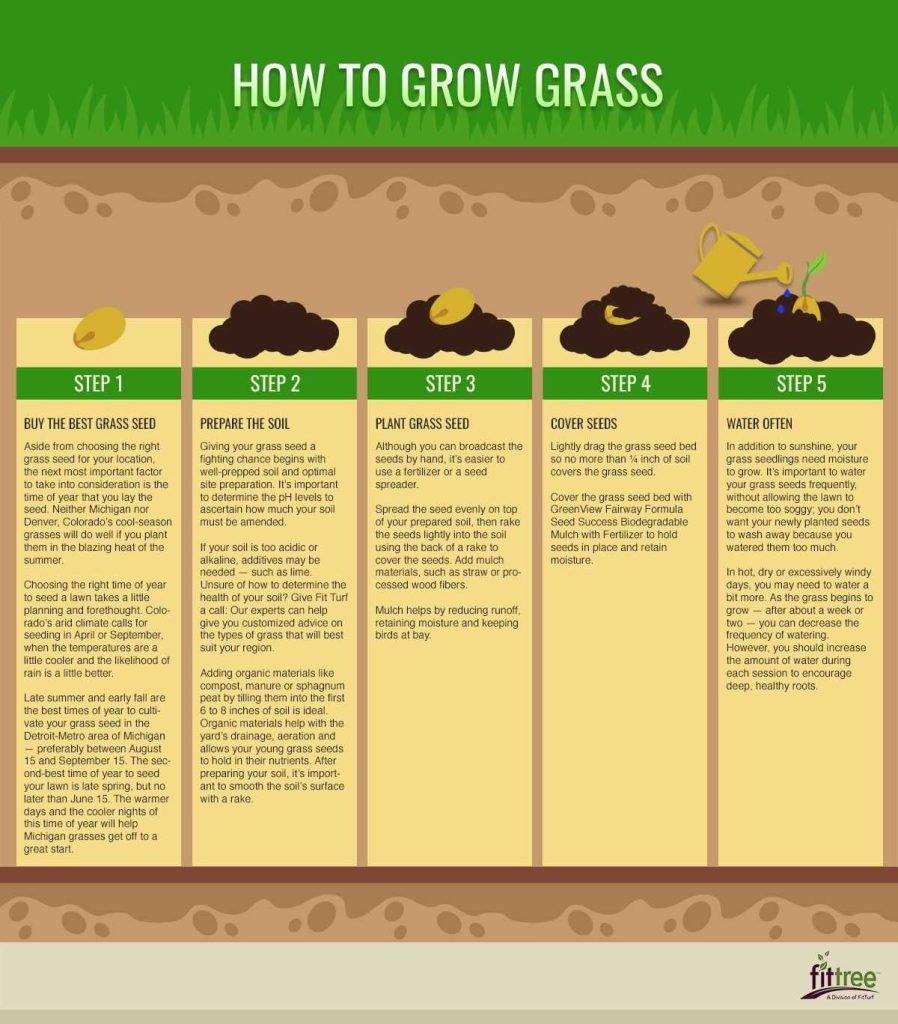
Growing grass from seed can be a rewarding and straightforward process if you follow some essential steps. Start by selecting the right grass seed for your climate and intended use, whether it’s for a lush lawn or a durable play area. Prepare your soil by clearing debris, tilling, and leveling the ground to ensure good seed-to-soil contact. Once you’ve sown the seeds evenly, water them gently but thoroughly, keeping the soil consistently moist during the germination period. With some patience and proper care, including regular watering and occasional mowing, you’ll soon have a healthy and vibrant lawn. Now, let’s dive into the detailed steps to help you achieve that lush green grass you desire!

How to Grow Grass from Seed
Growing grass from seed is a fulfilling endeavor that can transform your outdoor space into a vibrant lawn. Whether you want to establish a new lawn, repair bare patches, or overseed an existing lawn, knowing how to properly grow grass from seed is essential. In this article, we will guide you through every step of the process, from selecting the right seed to ensuring it thrives.
Choosing the Right Grass Seed
Selecting the correct type of grass seed is crucial for a successful lawn. Different grass types thrive in various climates and soil types.
- Cool-Season Grasses: These grasses grow best in the northern regions and thrive in cooler temperatures. Examples include Kentucky bluegrass, fescue, and ryegrass.
- Warm-Season Grasses: Ideal for southern climates, these grasses prefer warmer temperatures. Common types are Bermuda grass, zoysia grass, and buffalo grass.
- Shade Tolerance: If your lawn is shaded, consider shade-tolerant grass types such as fine fescue or certain bluegrass varieties.
Understanding your local climate will help you choose the best grass seed for your needs.
Preparing the Soil
Before planting, preparing the soil is an essential step. Healthy soil will support seed germination and root development.
1. **Clear the Area:** Remove any weeds, rocks, or debris from the lawn area.
2. **Test Your Soil:** Consider conducting a soil test to check pH levels and nutrient content.
3. **Amend the Soil:** Based on the test results, you may need to add lime, sulfur, or organic matter to improve soil quality.
4. **Loosen the Soil:** Use a garden tiller or rake to aerate the top 2-3 inches of soil.
Taking the time to prepare your soil will set a solid foundation for your new grass.
Seeding the Lawn
Now that your soil is ready, it’s time to sow your grass seeds. Proper seeding techniques will ensure even coverage and healthy growth.
1. **Choose the Right Time:** The best time to seed will depend on your grass type. Aim for early spring or early fall for cool-season grasses, and late spring to early summer for warm-season grasses.
2. **Seed Rate:** Check the seed package for the recommended seeding rate, usually expressed in pounds per 1,000 square feet.
3. **Sowing Techniques:** Use a broadcast spreader for even distribution. Alternatively, you can sow seeds by hand for smaller areas.
4. **Rake the Soil:** After sowing, lightly rake the soil to ensure good seed-to-soil contact.
These steps will help ensure that your grass seeds are properly placed for optimal growth.
Watering the Seeds
Watering is one of the most critical aspects of growing grass from seed. Proper moisture levels are necessary for seed germination.
- Initial Watering: After seeding, water the area lightly to moisten the top inch of soil.
- Frequency: Water daily for the first 1-2 weeks to keep the soil consistently moist but not soggy.
- Avoid Overwatering: Too much water can lead to seed rot and disease. Ensure good drainage in the area.
Monitoring soil moisture is essential for successfully growing grass from seed.
Fertilizing for Success
Fertilization can play a vital role in promoting healthy grass growth. Providing the right nutrients will encourage strong roots and lush greenery.
1. **Starter Fertilizer:** Use a starter fertilizer with a higher phosphorus content to promote root development. Look for a fertilizer with a ratio like 10-20-10.
2. **Application Timing:** Apply fertilizer at the time of seeding or shortly after.
3. **Follow-Up Feeding:** Once your grass is established, consider a regular fertilization schedule every 6-8 weeks during the growing season.
Proper fertilization helps your grass thrive, enhancing its color and density.
Controlling Weeds
Weed control is vital in the establishment phase of your lawn. Weeds compete with your grass for nutrients, water, and light.
- Pre-Emergent Herbicides: Consider applying a pre-emergent herbicide to prevent weed seeds from germinating.
- Hand Pulling: For existing weeds, hand-pulling can be effective, especially when the soil is moist.
- Mowing Height: Once your grass reaches about 3 inches tall, begin mowing to prevent weeds from spreading.
Taking steps to control weeds will help your new lawn flourish.
Maintaining Your New Lawn
After planting, ongoing maintenance is crucial for the long-term success of your lawn.
1. **Mowing:** Begin mowing once your grass reaches 3 to 4 inches tall. Avoid cutting more than one-third of the grass height at once.
2. **Watering Schedule:** As the grass matures, reduce the frequency of watering but increase the amount per session. Water less often but deeply.
3. **Aeration:** Consider aerating your lawn once a year to relieve soil compaction and improve root growth.
Consistent maintenance will help your grass develop a dense and healthy lawn.
Seasonal Care for Your Lawn
Lawn care does not stop once the grass is established. Seasonal care routines are crucial for lasting health.
1. **Fall Care:** For cool-season grasses, fall is the time to overseed and apply winter fertilizer to prepare for dormancy.
2. **Spring Care:** In spring, check for winter damage and apply a nitrogen-rich fertilizer to encourage growth.
3. **Summer Care:** During hot summer months, increase watering and consider a shade cloth for newly seeded areas during extreme heat.
Paying attention to seasonal changes allows for a healthier lawn year-round.
Common Challenges and Solutions
Every new lawn comes with its obstacles. Recognizing common challenges can help you troubleshoot effectively.
- Seed Failure: If seeds do not germinate, check for proper moisture levels and soil temperature. Seeds typically need 60-75°F to germinate.
- Uneven Growth: Ensure seeds were distributed evenly. If patchy, overseed those areas.
- Disease Issues: Monitor for any signs of disease. Fungal issues can be mitigated with proper air circulation and watering techniques.
By addressing challenges proactively, you can maintain a thriving lawn.
As you embark on your journey to grow grass from seed, remember that patience and care are key. With the right seeds, proper preparation, and consistent maintenance, you will soon enjoy a lush and beautiful lawn that enhances your outdoor space. Happy planting!
How to Plant a yard and grass seed like a pro – Grow a new lawn, overseeding, yard & sod care tips
Frequently Asked Questions
“`html
What is the best time of year to plant grass seeds?
The best time to plant grass seeds depends on your region and the type of grass you choose. Generally, early spring or early fall is ideal for cool-season grasses, while late spring to early summer works well for warm-season grasses. Planting during these times ensures optimal soil temperatures and moisture for seed germination.
How do I prepare the soil before planting grass seeds?
To prepare the soil, start by clearing any debris, such as rocks, weeds, and old grass. Then, till the soil to a depth of about 2-3 inches to aerate it. You can also test the soil pH and add amendments like lime or sulfur if necessary. Finally, rake the surface to create a smooth seedbed.
What type of grass seed should I choose?
Your choice of grass seed should depend on your climate, the amount of sunlight the area receives, and how much wear and tear the lawn will experience. For instance, Kentucky bluegrass works well in cool climates, while Bermuda grass thrives in warm areas. Additionally, consider blends that combine different grass types for a more resilient lawn.
How often should I water newly planted grass seeds?
Water newly planted grass seeds frequently to keep the soil consistently moist but not soggy. In the first few weeks, aim to water the area lightly once or twice a day, especially during hot or dry weather. As the grass begins to germinate and establish, gradually reduce the frequency of watering to encourage deeper root growth.
When can I mow my new grass?
You can mow your new grass once it reaches a height of about 3 to 4 inches. It’s important to ensure that the grass is established and has developed sturdy roots before mowing, which typically takes about 3 to 4 weeks after germination. Always use a sharp mower blade and avoid cutting more than one-third of the grass height at once.
“`
Final Thoughts
Growing grass from seed requires careful preparation and attention to detail. Start by selecting the right seed for your climate and soil type, ensuring you understand your specific area’s conditions.
Next, prepare the soil by clearing debris and aerating it to promote healthy growth. After sowing the seeds evenly, keep the soil consistently moist but not waterlogged.
Lastly, provide adequate sunlight and avoid heavy foot traffic until the grass is established. By following these steps, you can achieve success in how to grow grass from seed, creating a lush and inviting lawn.