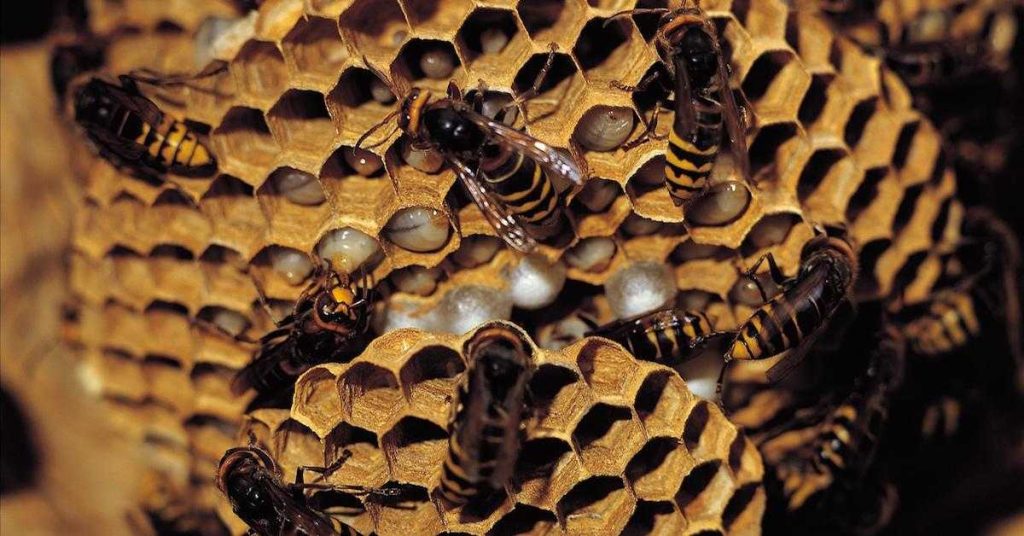
If you find yourself facing a beehive on your property and are concerned about both your safety and the well-being of the bees, humane removal is the best approach. Start by contacting a local beekeeper or pest control expert who specializes in bees; they possess the knowledge and equipment to relocate the hive without harming the bees. Alternatively, you can create a bee-friendly environment by planting nectar-rich flowers away from the hive’s location, encouraging the bees to relocate on their own. Remember, bees play a critical role in our ecosystem, so it’s essential to handle the situation with care and respect.
Understanding how to humanely remove a beehive can feel daunting, but with the right approach, it can be done safely for both you and the bees. When faced with a beehive, it’s vital to prioritize the safety of everyone involved while ensuring the bees are not harmed in the process. Approaching this task with respect for these essential pollinators is key, as they contribute significantly to our environment and food supply. In this article, we will explore step-by-step methods for achieving a humane removal, emphasizing the importance of professional assistance and practical solutions that prioritize the well-being of the bees.

How To Humanely Remove Beehive
Removing a beehive can be a daunting task, especially if you’re concerned about the safety of the bees. Approaching this process with care and compassion is essential. In this guide, we’ll explore different methods for humanely removing a beehive, ensuring that the bees remain unharmed and are relocated safely.
Understanding Bee Behavior
Before attempting to remove a beehive, it is important to understand bee behavior. Bees are generally docile unless provoked. They play a crucial role in pollination and the ecosystem. Here are some key points to keep in mind:
- Bees are sensitive to vibrations and sudden movements.
- They communicate with each other through pheromones.
- A disturbed hive can become aggressive, especially if it feels threatened.
Recognizing these behaviors can help you approach the hive safely. Always observe from a distance to gauge their activity before deciding on a removal strategy.
When Is the Right Time to Remove a Beehive?
Timing is crucial when it comes to bee removal. The best times are late evening or early morning when bees are less active. Here are some important considerations:
- Bees are less likely to swarm during cooler temperatures.
- Identify if the hive is occupied year-round or if it’s seasonal.
Removing bees during colder months may lead to fewer bees to manage, making the process easier. Always check local regulations regarding bee removal, as some species are protected.
Gathering the Right Equipment
Having the right equipment makes the removal process smoother. Here’s a list of essential tools you will need:
- Protective gear (suit, gloves, and veil)
- Bee smoker to calm the bees
- Hives and boxes for relocation
- Tools for cutting or dismantling the hive
Always ensure you wear protective gear to avoid stings. A bee smoker is crucial for creating smoke that will pacify the bees, allowing you to work safely.
Safe Bee Removal Techniques
There are several methods to humanely remove a beehive. Each technique varies based on the hive’s location and size. Let’s explore some effective approaches.
1. Swarm Capture
Swarm capture is one of the most humane methods to remove bees. This method is effective when bees form a swarm, usually in late spring or early summer.
- Locate the swarm on a tree branch or structure.
- Gently place a box underneath and shake the branch to encourage them to enter.
This method allows bees to safely relocate without dismantling their hive.
2. Direct Hive Removal
Direct hive removal involves physically removing the hive and its contents. This technique is often used for hives that are well established.
- Begin by using the bee smoker to calm the bees.
- Carefully cut the hive from its location and place it in a prepared box.
Remember to work slowly and carefully to avoid alarming the bees.
3. Professional Beekeeping Services
Sometimes, calling professionals is the best option. Many beekeepers specialize in humane bee removal.
- They have the expertise and equipment to handle the situation safely.
- Professional services ensure bees are relocated rather than exterminated.
This is a great option if you’re unsure about the process or handling bees.
Post-Removal Care
After successfully removing the beehive, it’s crucial to take care of the area. Here’s how to ensure everything is safe:
- Seal any entry points to prevent new bees from settling in.
- Clean the area thoroughly to remove any scent traces that might attract other bees.
Regularly check the area to ensure no new hives are forming.
Why Humanely Remove a Beehive?
There are various reasons for choosing to remove a beehive humanely. One of the main reasons is the significant role bees play in our environment. Here are some key benefits of humane removal:
- Contributes to ecological balance by preserving bee populations.
- Prevents damage to property and minimizes safety hazards.
Choosing humane methods can help maintain a healthy relationship with nature.
Common Mistakes to Avoid
When it comes to removing a beehive, there are a few common mistakes that can lead to trouble. Avoiding these can make the process smoother.
- Ignoring protective gear can lead to bee stings.
- Acting quickly can panic the bees, making removal harder.
Taking your time and being adequately prepared can lead to a successful removal.
Alternative Solutions
Sometimes, it may not be necessary to remove the hive at all. Here are some alternative solutions to consider:
- Leave the hive alone if it’s not posing a threat.
- Contact local beekeepers to see if they can relocate the bees.
Utilizing alternative methods can often yield better results for both you and the bees.
Frequently Asked Questions About Bee Removal
While we are not addressing FAQs in this section, it’s essential to educate yourself on common queries surrounding bee behavior and removal. Understanding these will make the process smoother and help you feel more confident.
Removing a beehive humanely is an essential step in encouraging a safe environment for both people and bees. Always prioritize safety and consider professional help if needed. Remember that bees are vital to our ecosystem, and managing their removal compassionately can have lasting benefits.
In conclusion, the best approach to removing a beehive humanely involves understanding bee behavior, gathering the right tools, and using safe techniques. With preparedness and respect, you can achieve a peaceful relocation of bees without harm.
Bee season: How to safely remove bees and home remedies
Frequently Asked Questions
What tools do I need for humane beehive removal?
To humanely remove a beehive, gather essential tools such as a bee suit for protection, a smoker to calm the bees, a hive tool for opening the hive, and a collection box or container for relocating the bees. Additionally, have sugar water or a sugar syrup on hand to attract the bees into the new location.
When is the best time to remove a beehive?
The optimal time to remove a beehive is during the late evening or early morning when the bees are less active. Choosing a calm, dry day also helps ensure bees are less agitated, making the removal process safer for both you and the bees.
How can I ensure the safety of the bees during removal?
To ensure the safety of the bees, work gently and avoid sudden movements. Use the smoker before starting the removal process, as it helps calm the bees. Always wear appropriate protective gear and handle the hive carefully to prevent harming the bees or disrupting their environment.
What should I do after removing the beehive?
After removing the beehive, relocate it to a suitable location far from human activity, such as a secluded garden or farm. Ensure the new site has adequate resources like flowers for foraging. Monitor the new hive for a few days to ensure the bees settle in and adapt to their new home.
Can I remove a beehive on my own, or should I hire a professional?
Removing a beehive can be risky, especially for those with little experience. If you feel confident and prepared, you may attempt it on your own. However, hiring a professional beekeeper is recommended for safety and ensuring the bees are relocated appropriately without harm.
What are the signs that a beehive needs to be removed?
Signs that a beehive may need removal include excessive bee activity near your home, bees entering and exiting through a specific area, or if the hive poses a risk to individuals or pets. Additionally, if the hive is located in a challenging or dangerous spot, it’s best to consider removal.
Final Thoughts
To humanely remove a beehive, follow the proper techniques that prioritize the safety of bees and the environment. Start by seeking assistance from a professional beekeeper who can safely relocate the hive. Avoid using harsh chemicals or destructive methods that harm the bee population.
Remember, removing a beehive humanely not only ensures the survival of bees but also promotes a harmonious coexistence between humans and nature. Always consider “How To Humanely Remove Beehive” as a responsible approach to managing these important pollinators.