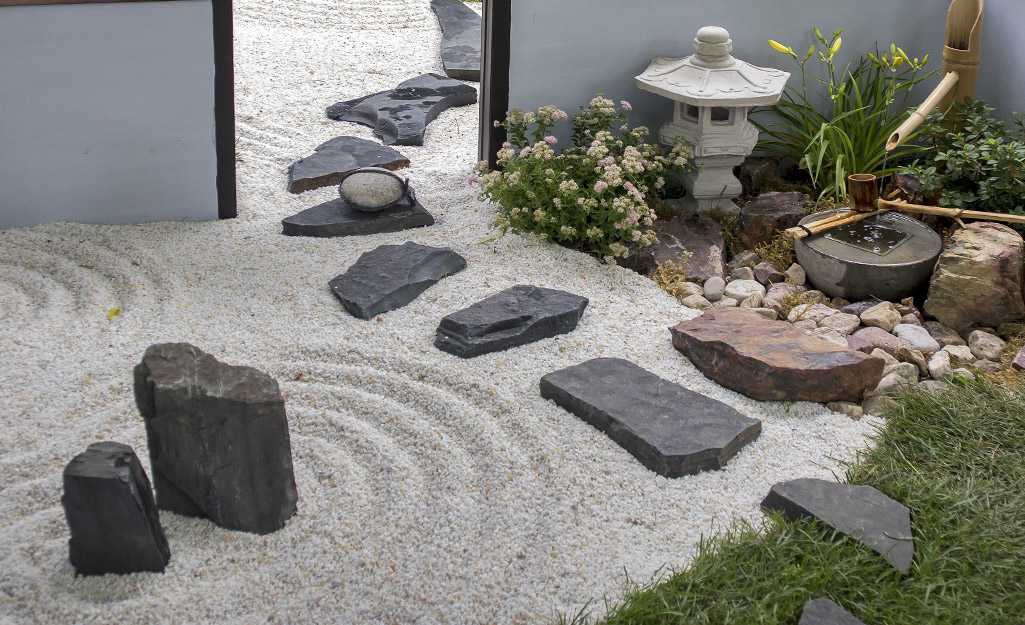
Creating a Zen garden can be a rewarding and peaceful endeavor that transforms your outdoor space into a serene retreat. To build a Zen garden, start by choosing a quiet area, then outline your design with rocks and gravel to create shapes that reflect simplicity and tranquility. Add elements like sand, water features, and carefully placed plants, ensuring each component has a purpose and meaning. With a little creativity and mindfulness, you can cultivate a space that invites relaxation and contemplation. Now, let’s dive deeper into the steps and principles that will help you create your very own Zen garden, where you can escape the hustle and bustle of daily life and find your inner peace.

How To Build Zen Garden
Creating a Zen garden is a fulfilling project that offers tranquility and beauty. These gardens are known for their simplicity and minimalism, allowing individuals to connect with nature and find peace. In this article, we will explore step-by-step instructions on how to build your very own Zen garden.
Understanding Zen Gardens
A Zen garden, also called a Japanese rock garden or “karesansui,” emphasizes the beauty of nature through carefully arranged rocks, sand, and plants. The essence of a Zen garden is to replicate the natural landscape in a simplified form.
Typically, a Zen garden is small and can be designed to fit any space, whether it is a backyard or a balcony. The main elements usually include gravel or sand, rocks, and sometimes plants or water features.
Choosing the Right Location
Finding the perfect spot for your Zen garden is essential. Here are some factors to consider:
- Sunlight: Ensure the area receives adequate sunlight, as some plants thrive on it.
- Accessibility: Choose a location that is easy to access for maintenance and enjoyment.
- Privacy: Consider placing your garden in a quiet area to enhance the sense of tranquility.
Once you identify the location, clear the area of any debris, weeds, or grass.
Deciding on the Size of Your Zen Garden
The size of your Zen garden can depend on your available space and personal preference. A smaller garden is easier to manage, while a larger one can allow for more creativity. Here are some common sizes:
- Mini Zen Garden: 2×3 feet, perfect for small spaces.
- Medium Zen Garden: 5×10 feet, suitable for a backyard.
- Large Zen Garden: 10×20 feet or more, great for expansive areas.
Make sure to envision how you will incorporate different elements into the garden as you decide on the size.
Gathering Your Materials
To build a Zen garden, you will need several key materials. Consider gathering the following:
- Gravel or Sand: This will be the primary surface material.
- Rocks: Choose various sizes and shapes for visual interest.
- Plants: Select low-maintenance plants such as succulents or small shrubs.
- Wood or Bamboo Edging: This will help define the edges of your garden.
- Rake: A garden rake will be essential for creating patterns in the sand.
Having these materials ready will streamline the building process and help you stay organized.
Preparing the Ground
After gathering your materials, prepping the ground is the next step. Follow these instructions:
1. Mark the boundaries of your Zen garden using rope or stakes.
2. Remove any grass, weeds, or debris, ensuring a clean slate.
3. Level the ground to provide a smooth surface.
4. If desired, lay down landscaping fabric to prevent weeds from growing through.
This preparation will ensure that your Zen garden has a solid foundation.
Creating the Base Layer
The base layer typically consists of gravel or sand. This layer should be about 2 to 4 inches thick. To create this layer:
1. Spread the gravel or sand evenly across the prepared ground.
2. Use a rake to level it out, ensuring a smooth surface.
3. Compact the material slightly to prevent it from shifting.
This base will provide a beautiful canvas for the rest of your Zen garden.
Placing Rocks and Boulders
Rocks are vital for adding structure and representing mountains or islands. Here’s how to place them effectively:
- Choose Natural Rocks: Use rocks that appear naturally aged.
- Vary Sizes: Combine different sizes, from small stones to larger boulders.
- Placement: Arrange rocks in clusters, and avoid aligning them perfectly.
Let your creativity shine when placing rocks, as their arrangement is a key aspect of the garden’s aesthetic.
Adding Plants and Greenery
While Zen gardens often prioritize rocks and sand, adding plants can bring life to your space. Consider these options:
- Succulents: Easy to care for and low maintenance.
- Japanese Maple: Adds color and elegance to the garden.
- Moss: Creates a lush, green carpet.
Place plants in a way that complements the rocks, ensuring balance and harmony.
Incorporating Water Features
If you wish, adding a water feature can enhance the peacefulness of your Zen garden. Here are a few ideas:
- Small Pond: A tiny pond can add tranquility and attract wildlife.
- Water Fountain: The sound of flowing water promotes relaxation.
- Birdbath: Encourages birds to visit and adds life to your garden.
Make sure the water feature fits seamlessly into the design of your garden.
Creating Patterns in the Sand
One of the most meditative activities in a Zen garden is creating patterns in the sand or gravel. Here’s how to do it:
1. Use a garden rake to create straight lines or gentle curves.
2. Experiment with different designs, such as circles or waves.
3. Regularly refresh the patterns to maintain the look of your garden.
This element promotes mindfulness and is a key part of what makes a Zen garden special.
Maintaining Your Zen Garden
Regular maintenance is vital for keeping your Zen garden looking fresh and inviting. Here are some maintenance tips:
- Rake the Sand: Rake patterns into the sand regularly.
- Weeding: Remove any weeds or unwanted plants promptly.
- Watering Plants: Ensure your plants receive the necessary care.
Set aside time each week to tend to your garden, allowing it to continue to flourish.
Personalizing Your Zen Garden
Adding personal touches can make your Zen garden uniquely yours. Consider these ideas:
- Statues or Ornaments: Small statues of Buddha or other figures can enhance the ambiance.
- Pathways: Create pathways using stepping stones for added interest.
- Lighting: Use solar lights to illuminate the garden at night.
The additions you make should reflect your personality and enhance the overall theme of relaxation.
Your Zen garden will not only be a beautiful visual piece but also a personal oasis of calm. Follow these steps carefully, and enjoy the peaceful nature of creating your very own Zen sanctuary. Building a Zen garden is a rewarding project that brings joy and tranquility into your life.
How to Create a Zen Garden | GARDEN | Great Home Ideas
Frequently Asked Questions
What materials do I need to create a Zen garden?
To build a Zen garden, gather materials such as sand or gravel, stones of varying sizes, plants like moss or small shrubs, and a rake for creating patterns in the sand. You might also want to include a border made of wood, brick, or stone to define the space. Optional items include lanterns, water features, or benches for added aesthetics and tranquility.
How can I design my Zen garden layout?
Start by sketching a layout that reflects balance and harmony. Divide the space into sections for sand, rocks, and plants. Use asymmetry to create a natural feel, placing larger stones as focal points and smaller ones to complement them. Consider the principles of Japanese aesthetics, such as simplicity and tranquility, while arranging your elements thoughtfully.
What plants are best suited for a Zen garden?
Select plants that enhance the peaceful atmosphere of a Zen garden. Moss, ferns, Japanese maple, and bamboo are popular choices. Look for low-maintenance, drought-resistant plants that thrive in your climate. Avoid overly colorful flowers to maintain a serene environment where greenery takes precedence over vibrant hues.
How do I maintain my Zen garden?
Regular maintenance involves raking the sand or gravel to remove debris and restore patterns. Water the plants as needed and trim them to keep their shape. Remove any weeds promptly to ensure they don’t disrupt the garden’s tranquility. Periodically refresh the sand or gravel to keep the garden looking pristine.
Can I integrate a water feature in my Zen garden?
Yes, integrating a water feature can enhance the peaceful ambiance of your Zen garden. Consider options like a small pond, fountain, or even a simple water basin. Ensure the water feature complements the overall design and doesn’t overwhelm the space. The sound of flowing water can add to the calming atmosphere.
What is the best time of year to build a Zen garden?
Spring and fall are the ideal seasons for building a Zen garden. These seasons typically offer milder weather, making it easier to work outdoors. Spring allows for planting, while fall provides an opportunity to prepare the garden for winter. Working during these times usually leads to better growth and establishment of plants.
Final Thoughts
Building a Zen garden invites tranquility and mindfulness into your space. Start with a simple layout, selecting gravel, sand, or small stones to create a calming base. Incorporate elements like rocks, plants, and water features to enhance the aesthetic.
Pay attention to the placement and arrangement of each element to evoke a sense of balance and harmony. Regular maintenance ensures your Zen garden remains a serene retreat. Follow these steps on ‘How To Build Zen Garden’ and create your peaceful oasis at home.