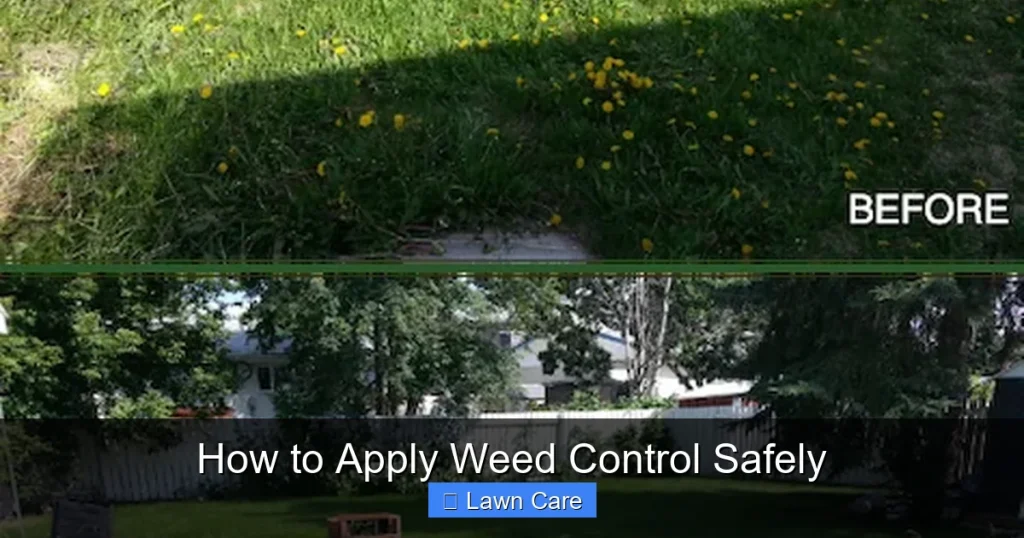
Achieving a weed-free lawn doesn’t have to be dangerous. This guide provides step-by-step instructions for safe weed control application, covering everything from choosing the right products to proper handling and disposal. Learn how to protect yourself, your loved ones, and the environment while effectively managing unwanted weeds for a healthier, more beautiful lawn.
Having a lush, green lawn is a dream for many homeowners. However, unwelcome weeds can quickly turn that dream into a prickly reality. While weed control is essential for a beautiful yard, it’s paramount to approach it with safety as the top priority. Applying weed control products incorrectly can pose risks to your health, your pets, and the environment. This comprehensive guide will walk you through exactly how to apply weed control safely, ensuring you achieve your lawn goals without compromising well-being.
We’ll cover everything from understanding product labels and selecting the right protective gear to proper application techniques and responsible disposal. By following these steps, you can confidently tackle weed problems while safeguarding yourself and your loved ones.
Key Takeaways
- Read and Understand Product Labels: Always thoroughly read and follow the instructions on the weed control product label before, during, and after application. This is the most crucial step for safety.
- Wear Appropriate Personal Protective Equipment (PPE): Utilize gloves, eye protection, long sleeves, long pants, and closed-toe shoes to minimize skin and eye contact with chemicals.
- Choose the Right Time and Conditions: Apply weed control when the weather is calm, dry, and not excessively hot, and when children and pets are not present in the yard.
- Proper Application Techniques: Use the correct application equipment and techniques to ensure even coverage and avoid drift, over-application, or contamination of non-target areas.
- Safe Storage and Disposal: Store weed control products securely away from children and pets, and dispose of empty containers and leftover product according to local regulations.
- Consider Non-Chemical Methods First: Explore manual removal, mulching, and promoting a healthy lawn as your first line of defense to reduce reliance on chemical weed control.
Understanding Weed Control and Safety
Before you even think about reaching for a weed killer, it’s vital to understand what you’re dealing with. Weed control encompasses various methods, from manual pulling to chemical herbicides. This guide primarily focuses on the safe application of chemical herbicides, as these often require the most careful handling.
The goal of safe weed control is to eliminate unwanted plants without harming your desirable grass, other plants, beneficial insects, or the ecosystem. It’s about precision, knowledge, and a commitment to responsible practices.
Step 1: Identify Your Weeds and Choose the Right Product
The first step to safe and effective weed control is knowing your enemy. Different weeds require different treatments.
Identify the Weed
Take some time to observe the weeds in your lawn. Are they broadleaf weeds (like dandelions or clover) or grassy weeds (like crabgrass or foxtail)? Knowing the type of weed will help you select the most appropriate control method. Many resources are available online and at garden centers to help with identification. You might find that learning how to identify and control grassy weeds is a crucial part of this process.
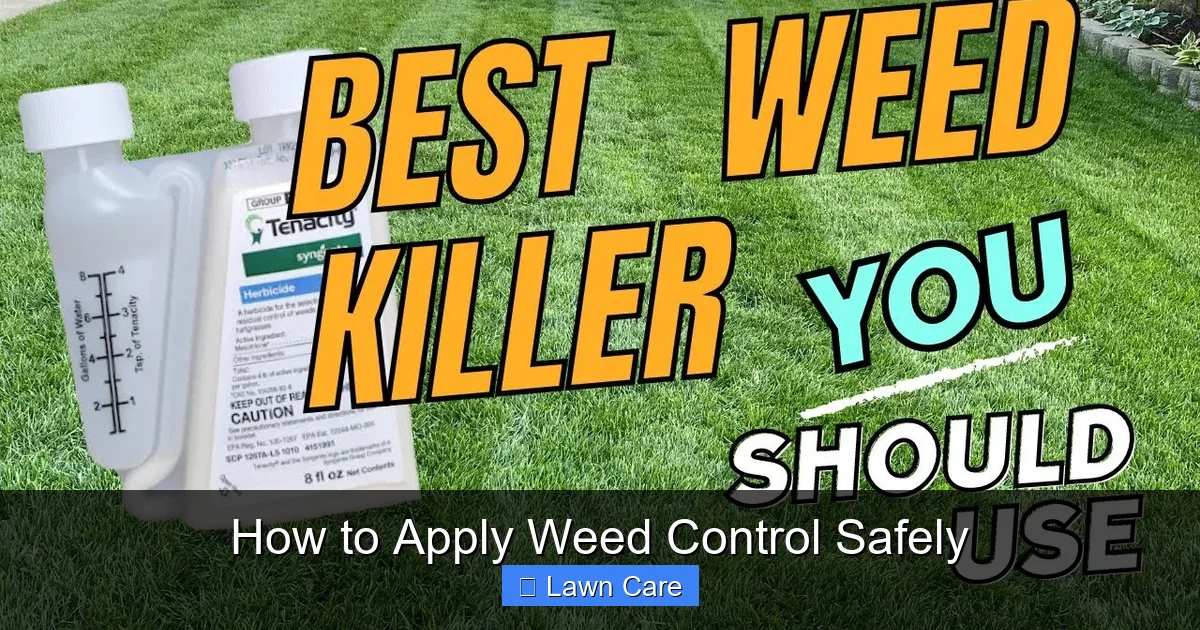
Visual guide about How to Apply Weed Control Safely
Image source: i.ytimg.com
Select the Correct Herbicide
Once identified, choose a herbicide specifically designed for the type of weed and your lawn type. Herbicides come in various forms:
- Selective Herbicides: These target specific types of weeds without harming your lawn grass.
- Non-Selective Herbicides: These kill most plants they come into contact with, including your grass. Use these with extreme caution and only for spot treatments in areas where you want to remove all vegetation.
- Pre-emergent Herbicides: These prevent weed seeds from germinating. They are applied before weeds appear. Understanding how often to apply crabgrass preventer is key for this type of control.
- Post-emergent Herbicides: These kill weeds that have already grown.
Always opt for products that are registered for use in your region and for your specific lawn type. For example, if you have St. Augustine grass, you’ll need a product suitable for that variety, like checking how to apply atrazine to St. Augustine grass.
Step 2: Read and Understand the Product Label
This is, without a doubt, the most critical step in safe weed control. The product label is a legal document and your most important guide.
Key Information on the Label
- Active Ingredients: Understand what you are applying.
- Target Weeds: Ensure it targets the weeds you have.
- Lawn Type Compatibility: Confirm it’s safe for your grass.
- Application Rates: This is crucial for effectiveness and safety. Too little may not work, too much can damage your lawn or be harmful.
- Application Timing: When is the best time to apply (season, time of day)?
- Safety Precautions: This section details required Personal Protective Equipment (PPE) and other safety measures.
- Re-entry Intervals: How long must you wait before walking on or playing on the treated area?
- Pre-Harvest Intervals (if applicable): Relevant for vegetable gardens.
- Storage and Disposal Instructions: How to store the product safely and dispose of empty containers.
When in Doubt, Ask
If any part of the label is unclear, do not guess. Contact the manufacturer or your local extension office for clarification. Never use a product if you cannot fully understand its instructions and safety requirements.
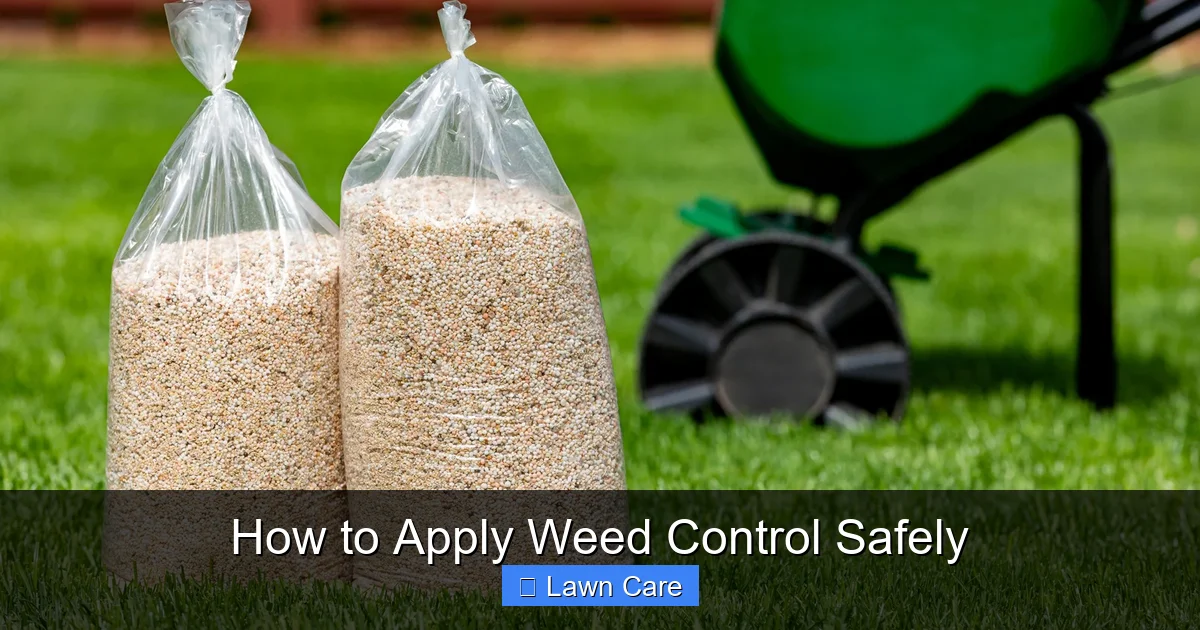
Visual guide about How to Apply Weed Control Safely
Image source: gardenguides.com
Step 3: Prepare Your Application Area and Equipment
Preparation is key to preventing accidents and ensuring effective application.
Choose the Right Time and Weather Conditions
- Calm Winds: Apply when winds are light (ideally less than 5 mph). Strong winds can cause drift, landing the herbicide on desired plants, driveways, or even onto your skin.
- Dry Conditions: Avoid applying just before or during rain. Rain can wash the herbicide away before it has a chance to work, and could also lead to runoff into waterways. Ensure the lawn is dry.
- Moderate Temperatures: Many herbicides are less effective and can damage grass in extreme heat. Avoid application on very hot days.
- Keep Children and Pets Away: Ensure children and pets are inside and will remain inside for the duration of the application and until any specified re-entry intervals have passed.
Gather and Inspect Your Equipment
Make sure your equipment is clean and in good working order. Common application tools include:
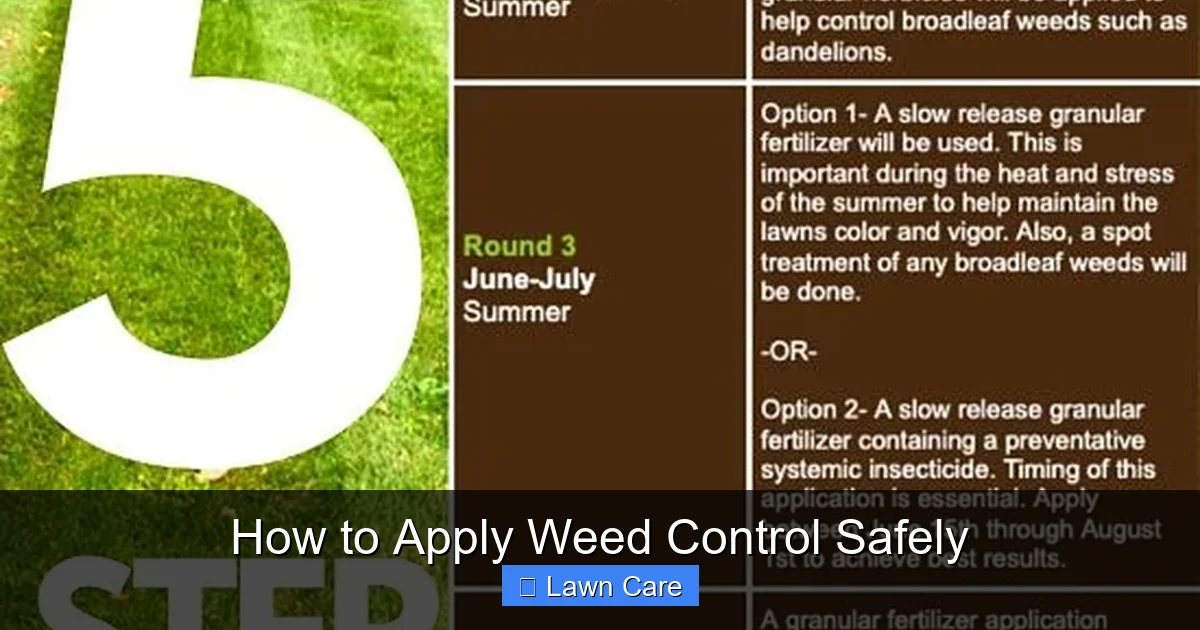
Visual guide about How to Apply Weed Control Safely
Image source: grassnectar.com
- Sprayers: Backpack sprayers, handheld sprayers, or hose-end sprayers. Ensure the sprayer is calibrated to deliver the correct amount of product.
- Spreaders: For granular products. Ensure they are set to the correct setting for the product.
If you’re using a sprayer, check for leaks. If you’re using a spreader, ensure it’s functioning properly. For example, knowing how to replace a drive control cable on a lawn mower might be relevant if your spreader attachment is powered by your mower, though this is less common for weed application equipment itself.
Prepare the Mixture (if applicable)
If you are mixing a liquid herbicide, follow the label instructions precisely. Use clean water and measure accurately. Mixing in a well-ventilated area is recommended. Never mix more than you can use in one application.
Step 4: Wear Appropriate Personal Protective Equipment (PPE)
This step is non-negotiable for your safety. Protect yourself from exposure.
Essential PPE
- Gloves: Chemical-resistant gloves (like nitrile or neoprene) are essential to protect your hands.
- Eye Protection: Safety glasses or goggles shield your eyes from splashes and drift.
- Long Sleeves and Long Pants: Wear durable clothing that covers your arms and legs to prevent skin contact. Light-colored clothing can help you see if any product has splashed onto it.
- Closed-Toe Shoes: Protect your feet from spills.
- Respirator (Optional, but Recommended for some products): Check the product label. If it specifies or if you are sensitive to fumes, wear a respirator approved for pesticide use.
Why PPE Matters
Even though you are applying it to your lawn, herbicides are chemicals. Direct contact can cause skin irritation, allergic reactions, or more serious health issues with prolonged or significant exposure. PPE creates a barrier between you and the product.
Step 5: Apply the Weed Control Product Safely
Now it’s time to apply the product. Focus on precision and careful movement.
Calibrate Your Sprayer or Spreader
Accurate application is vital. An over-application can damage your lawn or be an unnecessary environmental risk. An under-application might not be effective. Consult your equipment manual and the herbicide label for calibration instructions.
Application Techniques
- Even Coverage: Walk at a consistent pace and use smooth, overlapping passes to ensure even coverage.
- Avoid Drift: Keep the spray nozzle as close to the ground as possible without touching the plants. If using a granular spreader, ensure it’s adjusted correctly to minimize dust.
- Spot Treatment: For targeted application, use a handheld sprayer and carefully aim only at the weeds. This is often a safer and more efficient method for small infestations. You might find tips on landscaping – how to weed eat your lawn like a pro useful for controlling weeds in very specific areas, though this guide focuses on chemical application.
- Edge Carefully: Be extra cautious when applying near garden beds, trees, shrubs, or water sources. Overlap slightly with your lawn but avoid spraying desirable plants.
What to Do If You Miss a Spot or Spill
- Missed Spots: Don’t be tempted to over-apply in areas you missed. It’s better to do a second, careful application later if needed, following label instructions.
- Spills: If you spill some product, immediately clean it up with absorbent material (like kitty litter or sawdust). Dispose of the absorbent material according to the product label’s disposal instructions. Wash the affected area thoroughly with soap and water.
Step 6: Post-Application Safety and Cleanup
The job isn’t finished once the spraying or spreading is done. Proper cleanup and adherence to re-entry times are crucial.
Follow Re-entry Intervals
The product label will specify how long you, your children, and your pets must stay off the treated lawn. This interval allows the product to dry and begin working, minimizing direct contact. It’s important to respect these times, just as you would follow instructions on how long to wait to mow lawn after weed treatment.
Clean Your Equipment
Thoroughly clean all application equipment immediately after use. Rinse sprayers multiple times, and dispose of the rinse water responsibly (follow label instructions, often by applying it to a treated non-food area or as directed). Do not use rinse water for other purposes or pour it down storm drains.
Wash Yourself and Your Clothes
After application and cleanup, remove your PPE carefully. Wash your hands and any exposed skin thoroughly with soap and water. Launder the clothes you wore separately from other laundry, using detergent.
Step 7: Safe Storage and Disposal
Proper storage and disposal prevent accidental exposure and environmental contamination.
Storage
- Secure Location: Store weed control products in their original containers with intact labels.
- Locked Area: Keep them in a cool, dry, well-ventilated place, ideally a locked cabinet or shed, out of reach of children and pets.
- Away from Food and Feed: Never store herbicides near food, animal feed, or drinking water.
- Temperature Control: Avoid extreme temperatures, as this can degrade the product or create safety hazards.
Disposal
- Empty Containers: Triple-rinse or pressure-rinse empty containers according to label directions. Dispose of them according to local regulations – this might involve recycling programs specifically for pesticide containers or disposal in household trash if permitted.
- Leftover Product: Never pour leftover herbicide down drains, toilets, or into the environment. Contact your local waste management authority or agricultural extension office for guidance on disposing of unused or expired products. Some areas have hazardous waste collection days.
Alternative and Complementary Weed Control Methods
While this guide focuses on chemical application, remember that it’s not the only way to manage weeds. Often, the best approach is integrated.
- Manual Removal: Pulling weeds by hand, especially when the soil is moist, is a safe and effective method for small infestations.
- Mulching: A layer of mulch (like wood chips or shredded leaves – see how to use shredded leaves to control weeds) can suppress weed growth by blocking sunlight.
- Healthy Lawn Practices: A thick, healthy lawn is your best defense against weeds. Proper mowing, watering, and fertilization will help your grass outcompete weeds. Promoting a healthy lawn is key to how to grow a thick and weed-free lawn.
Conclusion
Applying weed control safely is a responsibility that comes with lawn care. By meticulously following product labels, using appropriate PPE, choosing the right application conditions, and employing careful techniques, you can effectively manage weeds while protecting yourself, your family, your pets, and the environment. Remember that safe application is not just about following rules; it’s about understanding the potential risks and taking proactive steps to mitigate them. A beautiful, weed-free lawn is achievable when safety is always the first priority.