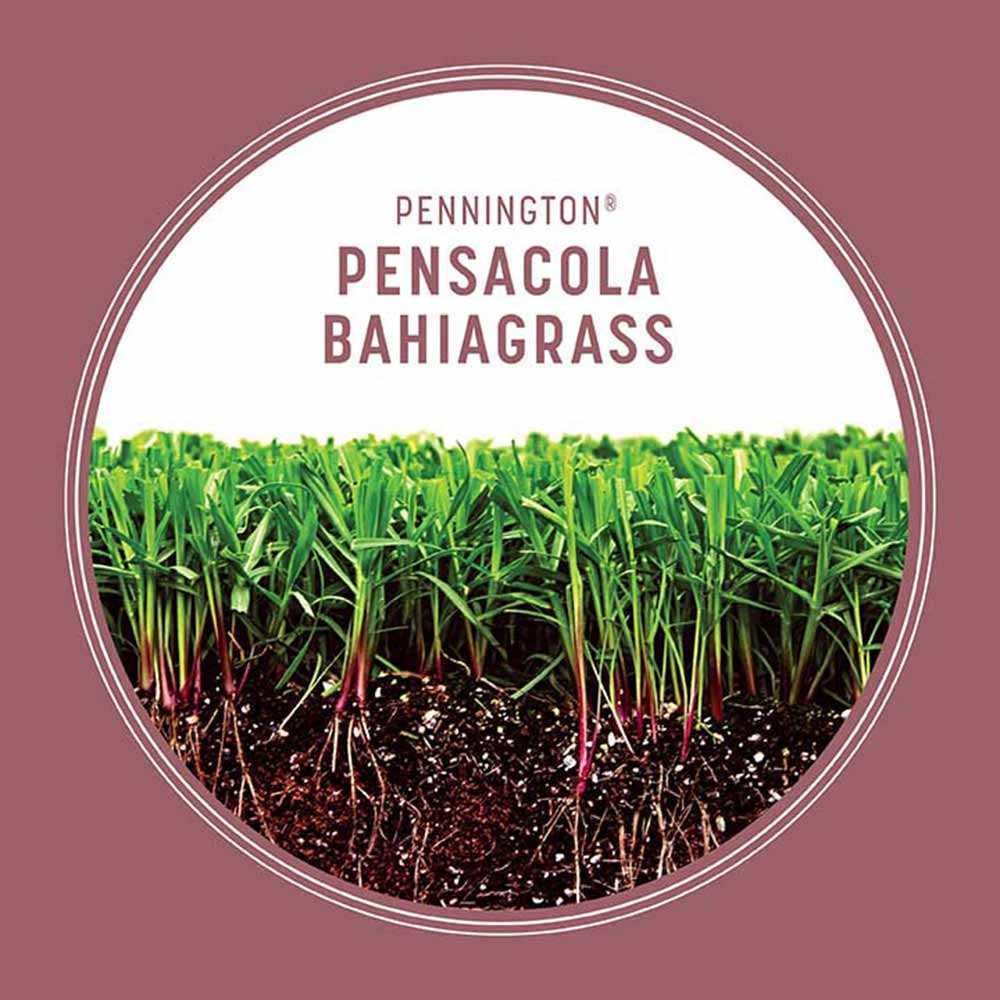
To successfully grow Bahia grass from seed, start by selecting high-quality seeds and planting them in well-prepared soil with good drainage. Keep the soil consistently moist and ensure the grass gets ample sunlight for optimal growth. Regularly water, mow, and fertilize to establish a lush, healthy lawn.
Growing Bahia grass from seed is an easy and cost-effective way to transform your yard into a vibrant, durable space. The key is choosing the right seed, preparing the soil correctly, and providing proper care during the early stages. With patience and a little effort, you’ll soon enjoy a thick, resilient lawn that thrives in warm climates. Bahia grass is known for its drought tolerance and low maintenance needs, making it ideal for a beautiful yard that stays lush year-round. Whether you’re starting from scratch or overseeding an existing lawn, these simple steps will help you get started on your Bahia grass journey.

How to grow Bahia grass from seed
Growing Bahia grass from seed is a straightforward process that can transform your yard into a lush, green space. It is a popular choice for warm climates because of its drought tolerance and low maintenance needs. With proper preparation and care, you can achieve a healthy Bahia lawn that lasts for years.
Understanding Bahia Grass
Bahia grass, also known as *Paspalum notatum*, is a warm-season perennial grass native to South America. It thrives in USDA zones 8 through 11 and performs well in poor soil conditions. This grass is ideal for lawns, pastures, and sports fields due to its durability and quick growth.
One of its main features is its deep root system, which allows it to withstand droughts and heavy use. Bahia grass has fine-textured leaves that give a soft, dense appearance. It produces seed heads that are easy to identify, usually appearing in late summer.
Preparing the Soil for Planting Bahia Grass
Test and Improve Soil Quality
Before planting, conduct a soil test to check pH levels and nutrient content. Bahia grass prefers a soil pH between 5.5 and 7.5. If your soil is too acidic or alkaline, amend it accordingly to create optimal conditions.
Mix in organic matter such as compost or aged manure to improve soil fertility and drainage. This will encourage healthy germination and root growth.
Removing Existing Vegetation
Clear the planting area of any weeds, grass, or debris. Use a tiller or hand tools to loosen the soil and create a smooth, level surface. Proper preparation helps ensure seeds make good contact with the soil and reduces competition from weeds.
For larger areas, consider applying a non-selective herbicide to control persistent weeds before planting.
Choosing the Right Bahia Grass Seeds
Select high-quality, certified Bahia grass seed to increase germination rates. Look for seed mixes suited to your specific climate and soil conditions. Pure Bahia seed is preferable, but some mixes include other species for drought tolerance or shade adaptability.
Check the seed’s germination rate indicated on the packaging. A higher germination percentage translates to better chances of establishing a healthy lawn.
Best Time to Plant Bahia Grass from Seed
Plant Bahia grass seeds during the warm months when soil temperatures are consistently above 65°F (18°C). The ideal window is late spring to early summer, depending on your region.
Avoid planting during cold or rainy periods, as low temperatures impede germination and excessive moisture can lead to disease problems.
Planting Bahia Grass Seeds
Seeding Techniques
Spread the seeds evenly over the prepared soil using a broadcast spreader for larger areas or by hand for smaller patches. Follow the recommended seeding rate, typically around 3 to 6 pounds per 1000 square feet.
Lightly rake the seeds into the soil to ensure good seed-to-soil contact. This increases germination success and protects the seeds from being washed away or eaten by birds.
Watering and Initial Care
Water the newly seeded area gently but thoroughly. Keep the soil consistently moist, but not waterlogged, during germination. Usually, this means watering twice daily in the first week.
Use a fine spray setting on your hose or sprinkler to avoid disturbing the seeds. Continue regular watering until seedlings are established.
Maintaining Your Bahia Grass Lawn
Watering Schedule
Once established, Bahia grass requires less frequent watering. Aim for deep, infrequent watering about once a week, providing approximately 1 to 1.5 inches of water. This encourages deep root growth, making your lawn more drought-resistant.
Adjust watering based on weather conditions, increasing during hot, dry spells and reducing in cooler or wetter seasons.
Mowing Tips for Bahia Grass
Keep your Bahia lawn at a height of 2 to 3 inches for optimal growth and health. Regular mowing helps prevent thatch buildup and encourages a dense, uniform turf.
Use sharp mower blades and avoid cutting more than one-third of the grass height at once. This minimizes stress on the plants and keeps the lawn looking tidy.
Fertilization Needs
Apply a balanced fertilizer suitable for warm-season grasses during the growing season. Typically, a high-nitrogen fertilizer used every 6 to 8 weeks promotes vigorous growth.
Over-fertilizing can cause thatch and disease issues; follow instructions carefully for best results.
Pest and Weed Control
Managing Pests
Bahia grass is relatively pest-resistant, but watch for armyworms and grubs. If pests appear, treat early with appropriate insecticides to prevent damage.
Controlling Weeds
Prevention is key: maintain a healthy, dense lawn that crowds out weeds. Use selective herbicides carefully to target broadleaf weeds without harming the grass.
Hand-pulling weeds is effective for small infestations. Regular mowing and watering also help suppress weed growth.
Dealing with Common Challenges
Addressing Patchiness
If patches develop, overseed the area to fill in bare spots. Reseed, water, and fertilize as needed to promote uniform growth.
Managing Drought Stress
During drought conditions, Bahia grass can brown out but usually recovers when rain returns. Reduce foot traffic and watering to minimize stress.
Additional Tips for Successful Bahia Grass Growth
- Keep foot traffic to a minimum during germination and early growth stages.
- Maintain proper soil pH and fertility for best results.
- Be patient; Bahia grass can take 2 to 3 months to fully establish.
Related Topics
Explore other ways to enhance your lawn with topics like soil testing, organic fertilization, drought management, and selecting suitable grass varieties for different climates. These additional strategies can help you create a resilient and beautiful Bahia lawn.
How To Care For A Bahia Grass Lawn Part 1
Frequently Asked Questions
What is the best time of year to plant Bahia grass from seed?
The optimal time to plant Bahia grass seeds is during the late spring to early summer when soil temperatures reach around 70-85°F (21-29°C). Planting during this period ensures the soil warmth supports germination and healthy establishment. Avoid planting during the cold winter months, as low temperatures can hinder seed sprouting and growth.
How can I improve seed germination rates for Bahia grass?
To enhance germination, start by preparing the soil with proper aeration and removing weeds or debris. Soak the seeds in water for 12-24 hours before planting to soften the seed coat. Spread the seeds evenly across the prepared soil and lightly rake them in to ensure good soil contact. Maintain consistent moisture levels, keeping the soil moist but not waterlogged, until seedlings emerge.
What soil conditions are ideal for growing Bahia grass from seed?
Bahia grass thrives in well-drained, sandy or loamy soils with a pH between 5.5 and 6.5. Ensure the soil is fertile by incorporating organic matter or compost if needed. Good drainage prevents waterlogging, which can damage young roots. Testing soil beforehand helps determine if any amendments are necessary to meet the grass’s requirements.
How often should I water Bahia grass after planting the seed?
Immediately after planting, water lightly and frequently to keep the topsoil consistently moist, ideally 2-3 times daily. As seedlings develop, gradually reduce watering frequency but increase the depth of each watering to encourage deep root growth. Once established, Bahia grass generally requires watering only during extended dry periods to maintain vitality.
What steps can I take to ensure healthy growth after the seedling has sprouted?
Provide adequate sunlight, aiming for at least 6 hours of direct sunlight each day. Avoid heavy traffic on the young grass to prevent soil compaction. Apply a balanced fertilizer suitable for grass to supply necessary nutrients. Keep weeds under control by regular mowing and weeding, and monitor for pests or diseases that could affect growth. Consistent care during the early stages helps build a strong, resilient lawn.
Final Thoughts
Growing Bahia grass from seed is straightforward with proper preparation. Start by choosing a sunny location with well-drained soil. Spread the seeds evenly and lightly cover them with soil or mulch. Keep the soil moist until the grass establishes.
Consistent watering and patience are key to successful growth. Once established, Bahia grass requires minimal maintenance and thrives in warm climates.
In conclusion, how to grow Bahia grass from seed involves proper site selection, seed distribution, and regular watering. Follow these steps, and you’ll enjoy a healthy, vibrant lawn.