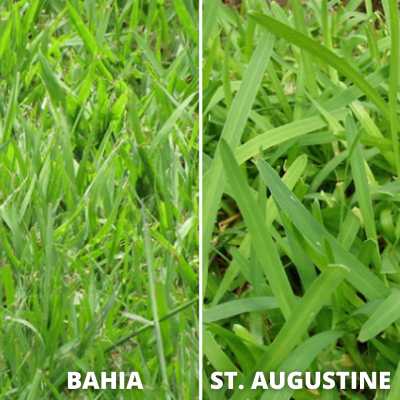
The answer depends on your specific needs, but generally, St. Augustine grass is better for its lush, dense appearance and shade tolerance, while Bahia is more drought-resistant and thrives in sandy soils. If you want a vibrant, soft lawn that feels great underfoot, St. Augustine is the top choice. Conversely, if you’re in a hotter, drier climate and prefer a low-maintenance, hardy grass, Bahia might suit you better.
Choosing the right grass for your yard can make all the difference in how your lawn looks and performs. When deciding between Bahia and St. Augustine, consider your climate, soil type, and how much time you’re willing to devote to maintenance. Both grasses have their unique strengths, making them ideal for different situations. In this article, we’ll compare their characteristics, care requirements, and suitability to help you pick the perfect grass for your outdoor space.

Which Grass Is Better Bahía or St Augustine?
Introduction to Bahía and St Augustine Lawns
Choosing between Bahía and St Augustine grass depends on several factors like climate, maintenance needs, and lawn appearance. Both grasses are popular in warmer regions but serve different purposes. Understanding their characteristics helps you pick the right option for your yard.
Climate Suitability for Bahía and St Augustine
Bahía grass thrives in tropical and subtropical climates with high temperatures and humidity. It performs well in areas with mild winters, where it stays green year-round. St Augustine also prefers warm climates but is more sensitive to cold temperatures, often going dormant during cooler months.
Temperature Tolerance
- Bahía: Handles heat well, tolerating temperatures up to 95°F (35°C).
- St Augustine: Prefers temperatures between 80°F and 95°F but struggles below 50°F.
Winter Performance
Bahía grass remains green in winter, making it ideal for tropical regions. St Augustine becomes dormant when temperatures drop, leading to brown patches during colder months.
Maintenance and Care Requirements
Both grasses need regular care but vary in their maintenance needs, affecting lawn management decisions.
Watering Needs
- Bahía: Requires less water once established due to its deep root system. It is drought-tolerant and needs occasional watering during dry spells.
- St Augustine: Needs consistent watering to stay lush, especially during hot, dry periods.
Mowing and Trimming
Bahía generally grows taller and requires mowing less frequently, around every two to three weeks. St Augustine is denser and needs regular mowing to keep its appearance tidy, usually weekly.
Fertilization
- Bahía: Prefers low to moderate fertilization; over-fertilizing can cause thatch buildup.
- St Augustine: Benefits from regular fertilization, especially nitrogen-rich fertilizers, to maintain its vibrant green color.
Pros and Cons of Bahía and St Augustine
Knowing the strengths and weaknesses helps determine which grass suits your needs best.
Advantages of Bahía
- Excellent drought tolerance and low water requirements.
- Resistant to pests and diseases common in warm climates.
- Handles high foot traffic well, making it good for active yards.
- Less need for frequent mowing and fertilization.
Disadvantages of Bahía
- Does not tolerate cold temperatures, limiting its use in cooler regions.
- Grows slowly initially, requiring patience during establishment.
- Can become coarse and less aesthetically appealing if not maintained properly.
Advantages of St Augustine
- Provides a lush, dense, and attractive green lawn.
- Handles shade better than many grasses, ideal for yards with tree coverage.
- Easy to establish and repair spots by overseeding or plugging.
Disadvantages of St Augustine
- Requires more water and fertilization for optimal health.
- Susceptible to pests like chinch bugs and diseases such as gray leaf spot.
- Less tolerant to cold, leading to brown patches during winter.
Invasive Potential and Root System
Both grasses have vigorous root systems, but their growth habits differ and influence lawn management.
Bahía
Bahía spreads via runners, which can be invasive if not controlled, especially in mixed grass lawns. Its root system is deep and helps withstand drought conditions.
St Augustine
St Augustine spreads through stolons, creating a dense, carpet-like appearance. It is less invasive but can overtake other grass types if not maintained properly.
Soil and Nutrient Requirements
Soil health impacts grass performance significantly.
Bahía
- Prefers well-drained, sandy soils.
- Requires less nutrient input, making it suitable for poorer soils.
St Augustine
- Thrives in rich, loamy soils with good moisture retention.
- Needs regular fertilization to stay green and healthy.
Appearance and Aesthetic Appeal
Visual appeal varies greatly between the two grasses.
Bahía
Has a coarser texture with a bluish-green hue, which may not be as visually appealing for manicured lawns. It’s more functional than ornamental.
St Augustine
Known for its thick, soft, and lush appearance, providing a beautiful, inviting lawn ideal for landscaping and recreational use.
Cost and Availability
Cost considerations influence the decision-making process.
Bahía
Generally less expensive and widely available in regions where it is common, making it a cost-effective choice.
St Augustine
Often more costly due to higher maintenance needs and popularity in certain areas, but readily available in garden centers and sod farms.
Environmental Impact and Sustainability
Choosing eco-friendly grasses can benefit your landscape and environment.
Bahía
Requires less watering and fertilization, reducing your lawn’s environmental footprint.
St Augustine
More water and chemical inputs may increase its environmental impact but provides a lush aesthetic that can improve air quality.
Which Grass Is Better for Your Needs?
Deciding depends on climate, maintenance preferences, and aesthetic goals.
For Drought-Prone Areas
Bahía is preferable due to its drought tolerance and low water needs.
For Aesthetic and Shade Tolerance
St Augustine offers a more attractive, dense lawn and handles shaded areas better.
For Low Maintenance
Bahía requires less frequent mowing and fertilization, ideal for homeowners seeking minimal upkeep.
For Cold Climate Adaptation
Neither grass handles cold well, but Bahía is slightly more resilient in mild winters.
Additional Related Topics
- Best grass types for Florida lawns
- How to care for Bahía grass
- Tips to maintain St Augustine lawn
- Controlling pests and diseases in warm-weather grasses
- Environmental benefits of drought-tolerant grasses
Both Bahía and St Augustine have their unique advantages, making them suitable for different situations. Your choice depends on climate, lawn use, and how much time and resources you want to dedicate to lawn care. Weighing these factors carefully helps you select the best grass for your yard’s needs.
Bahia Vs Saint Augustine Sod
Frequently Asked Questions
What are the climate considerations when choosing between Bahia and St. Augustine grass?
Bahia grass thrives in warm, tropical climates and handles drought conditions well, making it suitable for regions with high temperatures and low rainfall. On the other hand, St. Augustine grass prefers humid subtropical climates with moderate rainfall and can tolerate some shade. Consider your local weather patterns to determine which grass adapts best to your environment.
How do soil conditions impact the performance of Bahia and St. Augustine lawns?
Bahia grass prefers well-drained sandy or loamy soils with slightly acidic to neutral pH levels. It adapts easily to poor soils, although supplemental fertilization may be needed for optimal growth. St. Augustine grass grows best in fertile, moist, and slightly acidic soils. If your soil is compacted or poorly drained, Bahia might perform better, whereas St. Augustine requires more regular soil conditioning.
What maintenance routines are recommended for each type of grass?
Bahia grass needs minimal mowing, usually at a height of 2 to 3 inches, and requires less frequent watering and fertilization, making it low-maintenance. St. Augustine grass needs regular mowing at about 2.5 to 4 inches, consistent watering, and periodic fertilization to stay healthy. Both grasses benefit from weed control, but Bahia generally demands less overall upkeep.
Which grass type offers better resistance to pests and diseases?
Bahia grass exhibits strong resistance to pests and diseases, especially in drought conditions, reducing the need for chemical treatments. St. Augustine grass is susceptible to specific pests like chinch bugs and diseases such as gray leaf spot, requiring vigilant monitoring and treatment options. Your choice should consider local pest prevalence and your willingness to manage these issues.
How does the appearance differ between Bahia and St. Augustine lawns?
Bahia grass features a coarse texture with a lighter green color, creating a more casual and open look for your lawn. In contrast, St. Augustine grass has a dense, fine texture with a rich, deep green hue, providing a lush and uniform appearance suitable for more ornamental landscapes. Your aesthetic preference will influence which grass complements your outdoor space best.
Final Thoughts
which grass is better bahia or st augustine depends on your climate and lawn needs. Bahia thrives in hot, dry conditions, requiring less water and maintenance. St Augustine offers lush greenery and a soft texture but needs more frequent watering and care.
For a low-maintenance, drought-tolerant lawn, Bahia stands out. If you prefer a dense, soft turf and can provide adequate care, St Augustine is a better choice.
In conclusion, which grass is better bahia or st augustine hinges on your specific needs. Bahia suits dry climates, while St Augustine excels in humid areas. Choose based on your environment and lawn preferences.