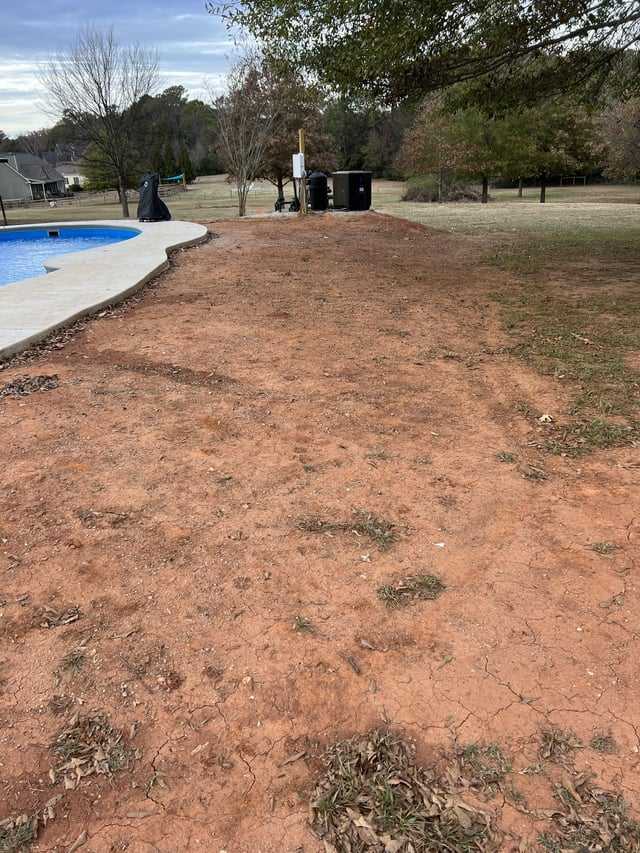
Yes, Bahia grass can grow in clay soil, but it may require some additional care to thrive. Proper soil management and amendments can help this drought-tolerant grass establish well in such challenging conditions.
Bahia grass is a popular warm-season turf choice in many regions due to its resilience and low maintenance needs. However, growing it in clay soil can be tricky because clay tends to retain water and drain poorly, which can hinder grass root development. With the right preparation, such as improving drainage and adjusting soil pH, Bahia grass can adapt to clayey conditions and provide a lush, durable lawn. Understanding how this grass interacts with different soil types is key to successful planting and maintenance, especially if you’re aiming for a resilient, green yard in areas with heavy clay.

Does Bahia Grass Grow in Clay Soil? An In-Depth Look
Understanding Bahia Grass and Its Growing Needs
Bahia grass is a warm-season grass known for its drought tolerance and adaptability to different soil types. It is popular in southern regions for lawns, pastures, and sports fields. This grass is prized for its ability to withstand challenging conditions, but not all soils support its healthy growth equally.
The key to successful Bahia grass cultivation is matching its needs with the soil’s properties. Factors like soil texture, drainage, and fertility impact how well this grass will fare. Knowing whether Bahia grass can grow in clay soil helps homeowners and farmers make smart decisions for landscaping or pasture management.
What Defines Clay Soil?
Clay soil has tiny particles that stick closely together, making the soil dense and heavy. While it retains water well, it often causes drainage problems because excess water moves slowly through the soil.
This soil type is often rich in nutrients but can become compacted, making root growth difficult. The high density and poor aeration in clay soil can challenge many plants, including grasses like Bahia.
Can Bahia Grass Grow in Clay Soil?
The answer is that Bahia grass can grow in clay soil, but with certain considerations. In its natural state, Bahia prefers well-draining soils like sandy or loamy types.
If you want to grow Bahia in clay soil, some modifications are usually needed. These adjustments improve drainage and soil structure, increasing the chances of healthy, lush turf or pasture.
Challenges of Growing Bahia Grass in Clay Soil
Clay soil presents specific obstacles for Bahia grass development. First, the poor drainage can lead to waterlogged roots, which causes stress and increases disease risk.
Next, the compacted nature of clay prevents roots from spreading and accessing nutrients effectively. Without proper aeration, the grass may struggle to establish and thrive, leading to patchy or thin growth.
Improving Clay Soil for Bahia Grass Growth
The good news is that soil amendments can turn clay into a more hospitable environment for Bahia grass. Here are some steps to improve clay soil:
- Add Organic Matter: Incorporate compost, peat moss, or aged manure to enhance nutrient content and improve structure. Organic matter helps loosen the soil, increasing aeration and drainage.
- Use Sand or Grit: Mixing coarse sand into the soil creates larger particles that allow water to drain more effectively. This is especially useful for heavily compacted clay.
- Practice Deep Tillage: Aerate the soil regularly to break up compaction. Deep tillage can create pathways for roots and water movement.
- Establish Proper Drainage: Installing drainage systems or creating raised beds can prevent water from pooling around roots.
Choosing the Right Bahia Grass Variety for Clay Soil
Not all Bahia grass varieties are equally tolerant of clay soil conditions. Some types are more adaptable and better suited to less-than-ideal soils.
Consult local agricultural extension offices or lawn care experts to find the best variety for your specific soil and climatic conditions. Selecting a resilient variety can make a big difference in achieving a lush, healthy lawn or pasture.
Planting Bahia Grass in Clay Soil
When planting Bahia grass in clay soil, preparation is key. Start by testing your soil to understand its pH, drainage capacity, and nutrient levels.
Next, amend the soil as needed before seeding or laying sod. Proper soil preparation ensures the grass establishes quickly and grows uniformly. During planting, maintain adequate watering without over-saturating, especially during initial growth stages.
Managing Bahia Grass on Clay Soil
Ongoing maintenance in clay soil involves vigilance to keep the grass healthy. Regular aeration helps prevent compaction and promotes root development.
Fertilize based on soil test recommendations to meet the grass’s nutritional needs. Watering should be deep and infrequent, allowing the soil to dry slightly between watering sessions to prevent root rot.
Long-Term Strategies for Success
Achieving a thriving Bahia grass lawn or pasture on clay soil takes patience and consistent effort. Over time, continued soil amendments and proper watering can improve soil health.
Incorporating organic matter annually enriches the soil and maintains good drainage. Monitoring the grass’s health and adjusting care practices ensures that Bahia adapts well to challenging soil conditions.
Additional Tips for Growing Bahia in Challenging Soils
Some other helpful tips include:
- Use Grass Seeds or Sod from Trusted Suppliers: Ensure healthy, disease-free planting material.
- Maintain Proper Mowing Practices: Keep the grass at recommended heights for optimal health and growth.
- Limit Traffic on the Lawn: Reduce soil compaction by avoiding heavy foot traffic, especially when the soil is wet.
- Consider Soil Testing Regularly: Keep track of nutrient levels and soil pH to make timely amendments.
Related Topics and Alternatives
If growing Bahia in clay soil proves too difficult, consider alternative grasses better suited for heavy soils. These include certain cool-season grasses or native species with high tolerance to moisture and compaction.
Understanding your specific soil conditions and climate factors helps select the best ground cover for your area. Rooted in proper soil management, grass varieties like Zoysia or Kikuyu might also be suitable options.
While Bahia grass can grow in clay soil, it requires some effort to modify and improve the soil conditions for optimal growth. Proper soil amendments, aeration, and careful management are essential. With patience, you can establish a healthy Bahia lawn or pasture even on challenging clay soils, enjoying the benefits of this versatile and resilient grass.
Get The Fastest Grass Seed Germination #grass #lawn #seeds #fall #renovation #lawncare
Frequently Asked Questions
Can Bahia grass establish well in heavy clay soils?
Bahia grass can grow in clay soils, but it may not establish as easily or as quickly as in well-drained soils. Heavy clay tends to retain water and can impede root penetration, so proper soil preparation is essential. Improving the soil with organic matter or adjusting drainage can help Bahia grass thrive better in clay conditions.
What soil amendments can help Bahia grass grow in clay soils?
Adding organic materials such as compost or aged manure can improve soil structure and drainage, making it more suitable for Bahia grass. Incorporating coarse sand or gypsum can also help break up compacted clay and promote healthier root development. Regular aeration can further assist in reducing compaction around the grass roots.
Does Bahia grass require special watering practices in clay soil?
Yes, Bahia grass in clay soils benefits from carefully managed watering. Because clay retains moisture, overwatering can lead to waterlogged conditions and root rot. It’s best to water deeply but infrequently, allowing the soil to dry out slightly between watering sessions to encourage deep rooting and healthy growth.
Final Thoughts
Bahia grass can adapt to various soil types, including clay. However, it thrives best in well-draining soils with moderate fertility. Clay soil often retains water, which may hinder Bahia grass growth if not properly managed.
Amending clay soil with organic matter improves drainage and promotes healthy root development. Regular aeration can also prevent compaction and help the grass establish firmly. Proper care ensures Bahia grass adapts well despite soil challenges.
Does Bahia grass grow in clay soil? Yes, but it needs soil amendments and proper maintenance. Addressing soil conditions allows Bahia grass to flourish, making it a practical choice even in clay-heavy landscapes.