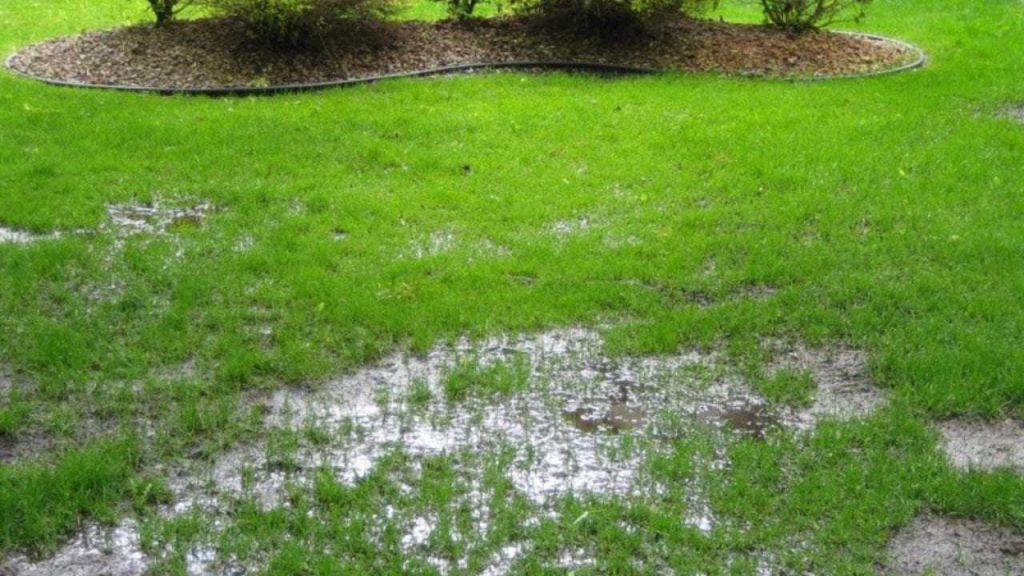
If you’re tired of dealing with standing water in your yard, you’re not alone. Many homeowners face this issue, especially after heavy rains or when drainage systems aren’t functioning properly. The solution starts with identifying the cause of the standing water, whether it’s poor soil drainage, a blocked drain, or improper landscaping. From there, you can take steps like grading your yard, installing French drains, or even using dry wells to redirect water away from your property. Not only will addressing standing water improve your yard’s appearance, but it will also prevent potential mosquito infestations and other water-related problems. Let’s dive into some effective methods to tackle this frustrating issue and reclaim your outdoor space!

“`html
How To Get Rid Of Standing Water In Yard
Standing water in your yard can be more than just an eyesore; it can lead to various problems such as mosquito breeding, plant diseases, and structural damage. This article will guide you through effective methods to eliminate standing water, ensuring a healthier and more attractive outdoor space.
Understanding the Causes of Standing Water
Before you can tackle the problem, it’s essential to understand why standing water accumulates in your yard. Common causes include:
- Poor drainage systems that are unable to handle heavy rainfall.
- Soil types that retain too much moisture, such as clay.
- Yard design flaws, like low spots where water drains.
- Blocked gutters and downspouts that direct water toward the yard.
Identifying the cause allows you to address the source of the issue more efficiently.
Assessing Your Yard
The first step in eliminating standing water is to assess your yard. Walk around the area after a rain and note where water collects. Look for:
- Areas where grass appears darker or soggy.
- Puddles that remain for hours or days.
- Plants that appear wilted or unhealthy due to excess moisture.
By understanding where the water gathers, you can develop an effective plan for drainage improvement.
Improving Drainage Systems
One of the most effective methods to get rid of standing water is to improve your yard’s drainage system. Here are several methods:
1. Installing French Drains
A French drain is a trench filled with gravel and a perforated pipe that redirects water away from problem areas. To install:
- Excavate a trench where water tends to accumulate.
- Line it with landscape fabric to prevent soil from clogging the drain.
- Add gravel and place the perforated pipe at the bottom.
- Cover with more gravel and fabric, then backfill with soil.
French drains guide the water away from your yard, reducing standing water effectively.
2. Adding Surface Drains
Surface drains collect water from your yard and direct it to a drainage system. To install surface drains:
- Identify the low points in your yard.
- Dig a hole for the drain and place it at the base of the lowest area.
- Connect the drain to a pipe that leads away from the yard.
Surface drains are ideal for yards that experience heavy rainfall.
Landscaping Solutions
Landscaping can also play a crucial role in preventing standing water. Here are some techniques:
1. Grading Your Yard
Proper grading ensures that rainwater flows away from your home. To grade your yard:
- Use a shovel or landscaping rake to create a slope away from your house.
- Aim for a slope of about 1 inch for every 4 feet of distance.
- Use soil to fill in low spots and create higher areas.
Proper grading can significantly reduce standing water and protect your home’s foundation.
2. Planting Water-Resistant Plants
Certain plants thrive in wet conditions and can help absorb excess water. Consider planting:
- Swamp milkweed
- Blue flag iris
- Marsh marigold
These plants help prevent water accumulation while adding beauty to your landscape.
Addressing Soil Issues
If your soil retains too much moisture, it may be time to amend it. Here’s how:
1. Aerating Your Lawn
Aerating involves creating holes in the soil to improve air circulation and drainage. To aerate:
- Use a garden fork or a lawn aerator to create holes in the grass.
- Space the holes about 3 inches apart for best results.
Aeration allows water to penetrate the soil more effectively, reducing standing water.
2. Adding Organic Matter
Mixing organic matter, such as compost, into your soil can improve drainage. Here’s how:
- Spread a layer of compost over the affected areas.
- Use a rake to mix it into the top 3-4 inches of soil.
Organic matter can help create a better balance in your soil, allowing better drainage.
Regular Maintenance
Maintaining your yard prevents standing water from becoming a recurring problem. Consider the following:
1. Cleaning Gutters and Downspouts
Regularly clean your gutters and downspouts to ensure they function correctly. Blockages can cause water to overflow and pool in your yard. Follow these steps:
- Remove debris from gutters using a scoop or a hose.
- Ensure downspouts direct water away from the house.
Keeping your gutters clear is crucial for preventing water issues.
2. Checking Sprinklers and Irrigation
Ensure your irrigation system isn’t overwatering your lawn. Adjust the frequency and duration of your watering schedule to avoid excess moisture.
- Water early in the morning to reduce evaporation.
- Monitor rainfall to adjust your watering schedule accordingly.
Proper irrigation management can prevent unnecessary standing water.
Using Barriers
Installing physical barriers can help manage water flow in your yard.
1. Installing Retaining Walls
Retaining walls help control water movement and can prevent flooding in lower areas. To build a retaining wall:
- Choose a level area for the wall location.
- Dig a trench and place the first layer of stones or blocks.
- Continue stacking layers, backfilling as you go.
A well-built retaining wall can effectively redirect drainage.
2. Creating Swales
A swale is a shallow ditch that redirects water away from flat areas. To create a swale:
- Decide the path for the swale to direct water flow.
- Dig a shallow trench and allow for a gentle slope.
Swales are a natural way to manage excess water in your yard.
Utilizing Pumps
In cases of severe standing water, installing a pump may be necessary. Here are options:
1. Submersible Pumps
These pumps can be placed in the lowest point of standing water. They remove water efficiently. When using:
- Ensure the pump is powerful enough for your needs.
- Direct the outflow away from your home.
Submersible pumps are practical for larger areas of standing water.
2. Sump Pumps
For persistent problems, a sump pump system can be installed in your basement or crawl space to prevent water from entering. Sump pumps automatically activate when water levels rise.
- Choose a reliable and energy-efficient model.
- Regular maintenance is necessary for optimal performance.
Installing a sump pump can prevent future issues with standing water inside your home.
Preventing Future Issues
To avoid standing water in the future, implement preventative measures.
1. Regular Checks
Conduct regular yard checks, especially after rain. Look for signs of water accumulation and take action promptly.
2. Staying Informed
Stay updated on local weather forecasts and adjust your landscaper or maintenance routine accordingly. Preparing for heavy rain can help prevent problems.
Maintaining your yard doesn’t have to be a daunting task. With these steps, you can effectively manage and eliminate standing water, ensuring a safe and beautiful outdoor space for you and your family. Enjoy your yard without the worries of unwanted water problems!
“`
How to Fix Standing Water in the Lawn – Low Spot Drainage with Catch Basin
Frequently Asked Questions
“`html
What are the common causes of standing water in my yard?
Standing water often occurs due to poor drainage, clay soil, compacted ground, or a lack of slope in your yard. Heavy rainfall or improper landscaping can also lead to water pooling in certain areas. Identifying the specific cause will help you find the right solution.
How can I improve drainage in my yard?
Improving drainage involves several strategies. You can create a drainage ditch or install a French drain to redirect water. Additionally, consider grading your yard to promote the flow of water away from your home. Adding organic material like compost can also improve soil drainage.
Are there any plants that can help absorb excess water?
Yes, certain plants are known for their ability to absorb excess water. Native wetland plants like cattails, rushes, and sedges can thrive in soggy conditions and help soak up standing water. Additionally, consider planting trees that have deep root systems, which can help with water absorption.
What steps can I take to prevent future standing water?
To prevent future standing water, maintain your yard’s slope to ensure proper drainage and avoid compacting your soil. Regularly check your gutters and downspouts to prevent blockages. Installing landscape features like rain gardens can also help manage excess water during heavy rains.
Is it necessary to hire a professional to address standing water issues?
Hiring a professional can be beneficial, especially if you have severe drainage problems or are unsure how to effectively manage standing water. A landscape architect or drainage contractor can assess your yard, recommend solutions, and help implement them effectively.
“`
Final Thoughts
To get rid of standing water in your yard, evaluate the drainage patterns and identify low spots. Improve drainage by creating swales or installing drains to direct water away from your yard.
Regularly maintain landscaping by trimming overgrown plants and cleaning up debris to prevent water accumulation. Consider using soil amendments to enhance drainage capabilities.
Ultimately, addressing standing water effectively ensures a healthier yard and prevents issues like mold and pests. Following these steps will guide you on how to get rid of standing water in yard and create a more enjoyable outdoor space.